
Lieferung heute & morgen

Qualitätsgarantie

Willkommens-Angebote freischalten: KOSTENLOSE Lieferung | Bis zu 80 % RABATT | Kostenlose 30-Tage-JoyPlus-Testphase
App herunterladen
A good silicone baking mold makes many promises: effortless cake removal, easy cleaning, and space-saving storage. In practice, however, the wheat is quickly separated from the chaff. Many home bakers invest in a mold only to find it doesn't live up to its advertising. Before you make a decision, it's crucial to understand the typical pitfalls that often only become apparent after the first bake.
The three most common problems with low-quality silicone molds are:
A careful look at a few key features can help you avoid these disappointments and find a mold that will provide reliable service for years to come.
To identify a durable and functional silicone baking mold, you should check three decisive criteria. These features are more important than any marketing message and determine the actual performance in your kitchen.
The foundation of any good silicone mold is the material itself. Look for the 100% food-grade silicone label. In Germany, the LFGB standard is a reliable indicator that no harmful substances will be transferred to your food. High-quality silicone is odorless and tasteless. If a new mold has a strong chemical smell, that's a red flag. A high-quality non-stick baking mold relies on the density and purity of the silicone, not on a secondary coating that could wear off.
A flexible baking mold is practical for storage, but it must not be unstable. The solution to this problem lies in the design. Models with an integrated, rigid frame (often made of metal or firmer silicone) or reinforced handles provide the necessary stability to move the mold safely without the batter sloshing around. This is a crucial advantage for achieving even baking results, especially with larger molds like a silicone cake pan or a fully loaded silicone muffin tin.
The mold must suit the pastry. A silicone tart pan needs a flat bottom and low sides for a crispy shortcrust pastry base. For delicate French pastries like Madeleines or Cannelés, a precisely crafted Madeleine mold or Cannelé mold is essential to achieve the characteristic texture and appearance. Also, check if the mold is suitable for your needs: most high-quality products are dishwasher-safe baking molds and are often approved for use in the microwave and freezer, which greatly increases their versatility.
Instead of presenting an overwhelming list, we have selected products that meet the specific needs of home bakers and adhere to the quality criteria mentioned above.
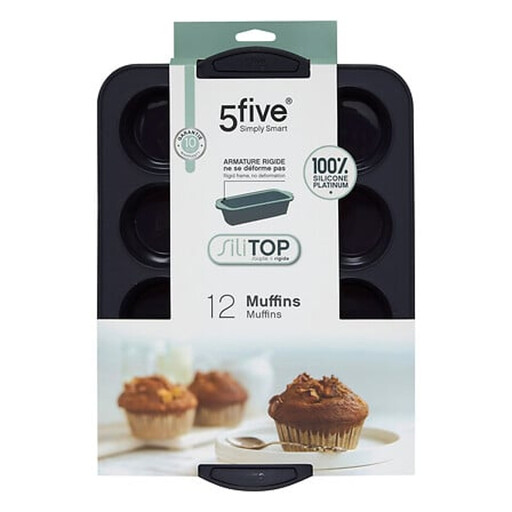
Why it's a good fit: Ideal for regularly baking muffins and cupcakes where stability and straightforward handling are top priorities. Perfect for families and anyone who values efficiency.
The integrated steel frame solves the core problem of unstable silicone molds. The mold remains perfectly rigid even when full of batter and can be safely slid into the oven without buckling.
The combination of silicone and steel provides exceptional stability and even heat distribution for uniform baking results.
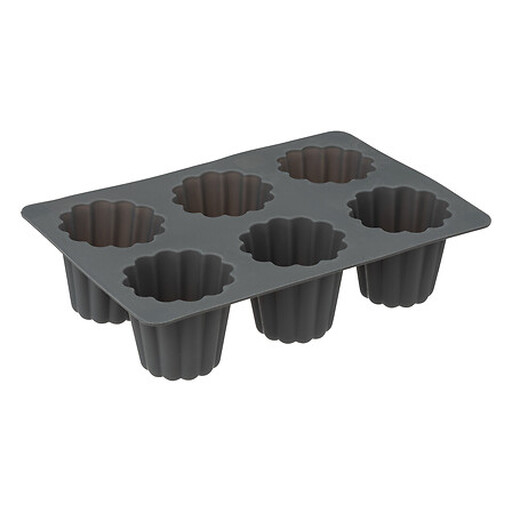
Why it's a good fit: For ambitious bakers who want to create authentic French cannelés with the typical caramelized crust and soft center.
The precisely crafted, deep flutes and rigid silicone prevent warping under heat. This achieves the characteristic cannelé structure that is often lost in inferior molds.
The design is perfectly tailored to the requirements of cannelés. Its high temperature resistance allows for the intense heat necessary for caramelization.
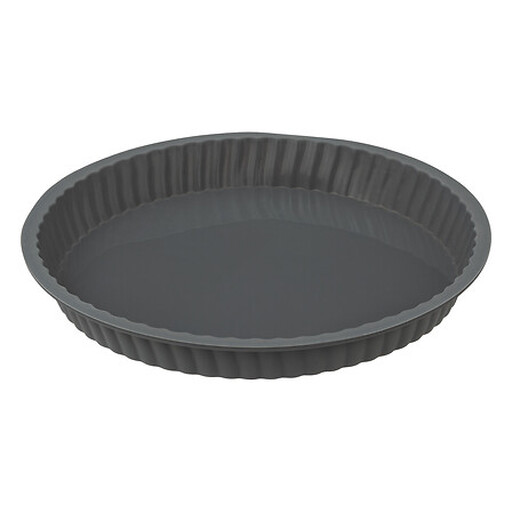
Why it's a good fit: Perfect for bakers who make both sweet fruit tarts and savory quiches. The mold is versatile and delivers reliable results for both.
The high-quality silicone provides a true non-stick effect. Even delicate shortcrust edges can be cleanly released from the mold without breaking—a common problem with lesser molds.
The classic, flat silhouette ensures optimal heat distribution and a consistently crispy base. Its flexibility also makes for easy, space-saving storage.
We have compiled a complete, up-to-date list of products that fully meet these strict selection criteria and German safety regulations.
1. Do you need to grease a silicone baking mold? With high-quality silicone molds, greasing is generally not necessary. The material's non-stick properties ensure that baked goods release easily. However, it is recommended to lightly grease the mold before its first use. For recipes with very low fat content or particularly sticky ingredients, a thin layer of grease can also improve the result.
2. How do you clean a silicone baking mold properly? Most silicone molds are dishwasher-safe baking molds. For manual cleaning, warm water and mild dish soap are sufficient. Be sure to avoid abrasive sponges or harsh cleaning agents, as they can damage the surface. For stubborn, greasy residues, it can help to rub the mold with a paste of baking soda and water, let it sit for a short time, and then rinse.
3. Are silicone baking molds safe at high temperatures? Yes, food-grade silicone molds are designed for use at high temperatures in the oven. The exact heat resistance varies by manufacturer but is typically between 220°C and 230°C (428°F and 446°F). It is advisable to always check the manufacturer's specifications on the packaging or in the product description to avoid exceeding the maximum recommended temperature.