
Lieferung heute & morgen

Qualitätsgarantie

Willkommens-Angebote freischalten: KOSTENLOSE Lieferung | Bis zu 80 % RABATT | Kostenlose 30-Tage-JoyPlus-Testphase
App herunterladen
A good silicone baking mould promises a lot: effortless cake release, easy cleaning, and versatile uses. In practice, however, many models turn out to be a source of frustration. The batter leaks, the cake sticks, or the mould loses its shape after just a few uses. As a Joybuy Product Recommendation Officer, I'll help you identify the typical pitfalls and make an informed decision.
Many buyers are swayed by marketing promises that don't hold up in reality. Pay attention to these three critical points to avoid a bad purchase:
To avoid these problems, you should check three core features before buying. These define the quality and longevity of your bakeware.
The foundation for safe baking is food-grade silicone. High-quality products are often made from platinum silicone, which contains no fillers and is both odourless and tasteless. A crucial quality indicator is compliance with EU Regulation (EC) No 1935/2004 for materials intended for food contact. Look for this information in the product details. A simple test: if you bend the silicone sharply and a white line appears, it indicates the presence of fillers. Pure silicone retains its colour.
A good silicone baking mould should handle a wide temperature range, typically from -40°C to +230°C. This not only makes it heat-resistant for the oven but also suitable for frozen desserts. To solve the instability problem, many manufacturers use clever design solutions. Look for models with an integrated metal frame or a reinforced, thicker rim. These provide the necessary stability of a metal pan, combined with the flexibility and non-stick properties of silicone.
True quality reveals itself in daily use. Is the mould truly dishwasher-safe without becoming sticky? Are the handles, if any, large enough for a secure grip? In addition to the classic silicone loaf pan, there are specialised moulds like a Madeleine mould for French pastries. Complementary silicone baking accessories, such as a flexible silicone spatula or a heat-resistant silicone turner, should be made from the same high-quality material to protect non-stick pots and pans. A reusable silicone baking mat can also permanently replace baking paper.
Here are some product recommendations tailored to specific needs and user profiles.
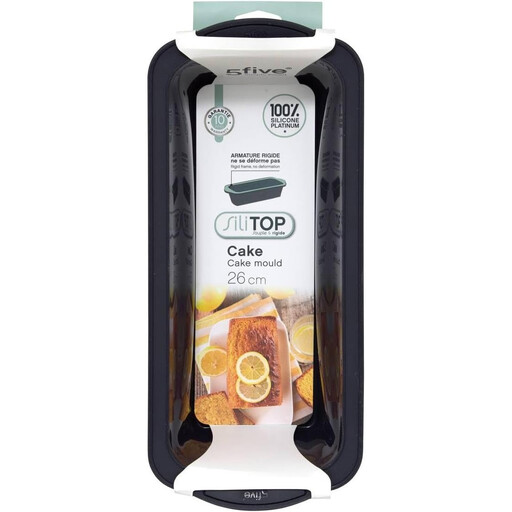
Why it's a great fit: Ideal for anyone looking for a reliable, all-purpose pan for bread and cakes. The combination of silicone and steel solves a core problem found in many pure silicone moulds.
The integrated, rigid steel frame prevents the mould from bulging. This ensures the cake holds its shape and makes handling safe and easy.
Offers the stability of a metal pan with the non-stick properties of silicone. Heat-resistant up to 220°C and dishwasher-safe.
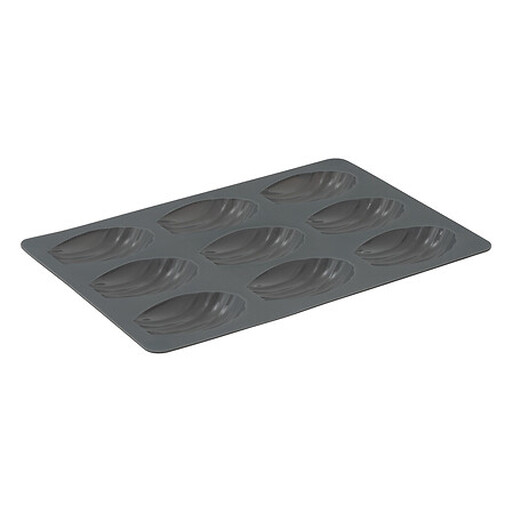
Why it's a great fit: For lovers of fine pastries who value authentic results. This special Madeleine mould is designed for the precise creation of the French classic.
Made from 100% high-quality, food-grade silicone, this mould bypasses the trap of questionable materials. The precisely crafted shell shapes ensure a perfect baking result.
Allows for easy release of the delicate madeleines without sticking or breaking. The mould is flexible, durable, and optimised for even browning.
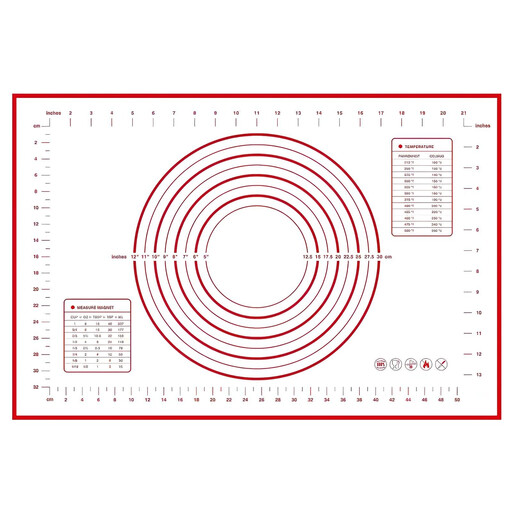
Why it's a great fit: Perfect for anyone who values a clean workspace and precise results. This silicone baking mat makes rolling out dough significantly easier.
Solves the problem of sticky dough and messy countertops. The non-stick surface makes excessive flouring unnecessary, and cleanup is a breeze.
Integrated measurements and circles help you roll out dough to the exact desired size and thickness. The mat is non-slip and protects your work surface.
We have compiled a comprehensive, up-to-date list of products that fully meet these strict selection criteria and safety regulations.
Yes, as long as it is high-quality, food-certified silicone. Look for products explicitly labelled as food-grade that comply with EU Regulation (EC) No 1935/2004. These do not contain harmful plasticisers or fillers and are safe for use at high temperatures.
In most cases, no greasing is necessary, as the non-stick properties of the silicone are sufficient. However, for the very first use or with particularly sticky doughs, a light greasing or dusting with flour can improve the result and make cleaning easier.
Most high-quality silicone moulds are dishwasher-safe and can be easily cleaned in the top rack. For hand washing, warm water and a mild washing-up liquid are sufficient. Be sure to avoid abrasive sponges or steel wool, as these can damage the surface. If a greasy film develops over time, it can help to "burn it off" by heating the empty mould in the oven at 180°C for about an hour, or by cleaning it with a paste of baking soda and water.