
Lieferung heute & morgen

Qualitätsgarantie

Willkommens-Angebote freischalten: KOSTENLOSE Lieferung | Bis zu 80 % RABATT | Kostenlose 30-Tage-JoyPlus-Testphase
App herunterladen
A high-quality silicone baking mold promises perfect cakes that release effortlessly and offer hassle-free cleaning. However, the market is flooded with products of widely varying quality. Many home bakers invest in a mold only to find it doesn't live up to its promises. Before you make a decision, it's crucial to understand the common flaws that often only become apparent after repeated use.
This guide will walk you through the three most common problems with silicone baking molds and highlight the key features to look for, ensuring you find a durable and functional addition to your kitchen.
The marketing claims often sound identical, but the performance can differ significantly. These three issues are the most common sources of disappointment:
To avoid these problems, focus on three technical parameters that separate a great mold from a useless one.
Look for molds labeled as 100% food-grade silicone. High-quality products, often made from platinum-cured silicone, contain no fillers. A simple way to check: if you pinch or twist the material and white lines appear, it likely contains cheaper fillers. Pure silicone retains its color. High temperature resistance (e.g., from -40°C to +230°C) ensures the mold is suitable for both baking in the oven and for frozen desserts. Being dishwasher-safe is also a standard feature of quality products and significantly simplifies cleaning.
A good silicone cake mold needs a thoughtful design that balances stability with flexibility. It should be flexible enough to easily push out the finished bake, yet rigid enough to hold the weight of the batter without deforming. Some models, especially larger ones or those for liquid batters like a Cannelé mold, feature an integrated metal or reinforced silicone rim for added stability.
The shape isn't just about aesthetics; it also influences the baking result.
Rather than making a blanket recommendation, we've identified products tailored to specific user profiles.
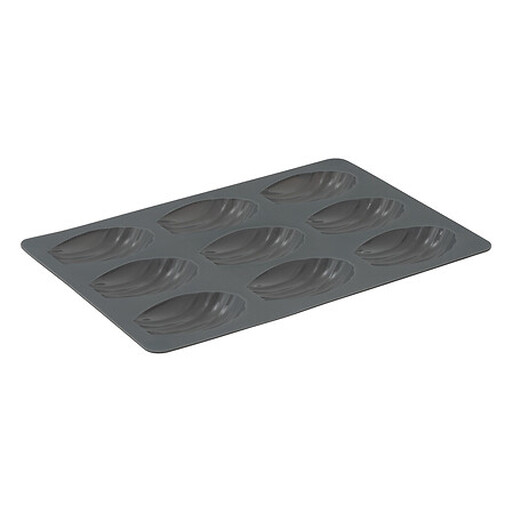
Why this product is a great fit: Ideal for bakers who want to create authentic madeleines with the characteristic shell shape and signature "hump." The design is specifically tailored to the requirements of this delicate pastry.
The high flexibility of the silicone allows for easy release without damaging the fine ridges—a direct countermeasure to the pitfall of diminishing non-stick performance with delicate pastries.
Precisely shaped shell cavities for an authentic look. The lightweight material promotes rapid heat transfer, which is essential for successful madeleines.
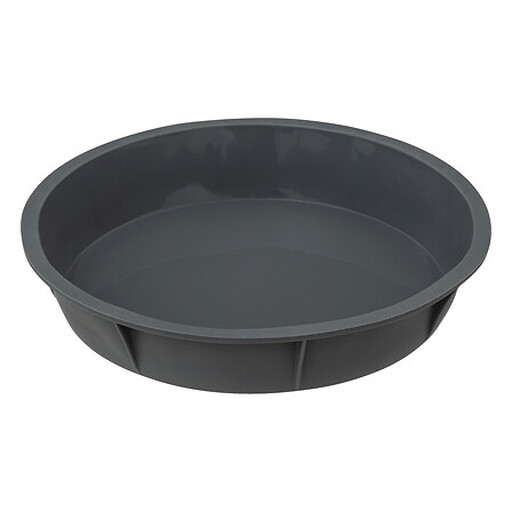
Why this product is a great fit: This classic, deep, round mold is an all-rounder for sponge cakes, fruit cakes, or cake layers. Perfect for families or anyone looking for a reliable, standard pan.
The design focuses on structural stability. The mold maintains its shape even with heavy batters and prevents bulging—a clear solution to the problem of flimsy, soft molds.
The classic "manqué" shape with a high rim is ideal for voluminous cakes. The high-quality silicone ensures effortless release and is dishwasher-safe for easy maintenance.
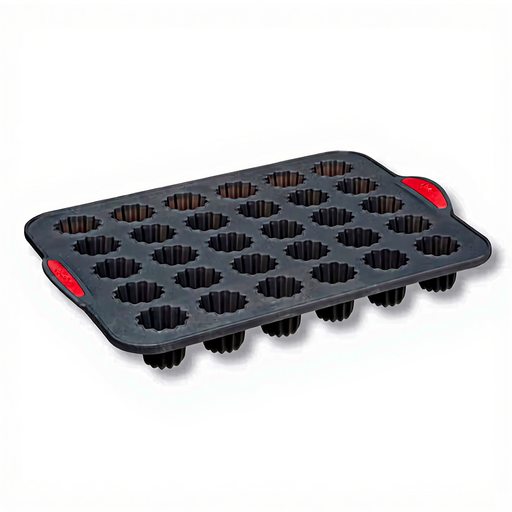
Why this product is a great fit: For bakers who prioritise maximum stability and consistent results, especially when producing larger batches. This model combines silicone with a steel frame.
The integrated steel frame completely solves the problem of instability. The mold won't bend or warp, even when fully loaded, and is safe to handle.
Combines the non-stick properties of silicone with the rigidity of metal. The 30 cavities are ideal for efficiently batch-baking cannelés or other small pastries.
We have compiled a complete, up-to-date list of products that fully meet these strict selection criteria and German safety regulations.
For most high-quality silicone molds, greasing isn't necessary due to their excellent non-stick properties. However, for the very first use or with very low-fat recipes, a thin layer of oil or baking spray can help guarantee a perfect release. Over time and depending on the mold's quality, performance may vary.
Most quality molds are dishwasher-safe, which makes cleaning significantly easier. For hand washing, warm water and a mild dish soap are sufficient. If a sticky film of grease residue builds up over time, there's a simple trick: place the empty, clean mold in the oven at 180°C (350°F) for about 10 minutes. The heat helps to break down the oils. Afterwards, wash it as usual.
A simple manual check is the "pinch test": bend or twist a section of the mold. If the material turns white at the crease, it likely contains plastic fillers. Pure, high-quality silicone will retain its original color. Also, look for certifications like LFGB compliance, which confirms the material is food-safe according to German and European standards.