
Lieferung heute & morgen

Qualitätsgarantie

Willkommens-Angebote freischalten: KOSTENLOSE Lieferung | Bis zu 80 % RABATT | Kostenlose 30-Tage-JoyPlus-Testphase
App herunterladen
A silicone baking mould makes many promises: effortless cake release, easy cleaning, and space-saving storage. In reality, however, many purchases end in disappointment. The batter spills over a flimsy rim, the cake comes out in pieces, or concerns about material safety linger.
As your Joybuy Product Recommendation Officer, I'll filter out the noise and give you the crucial information you need to make an informed decision and avoid falling for exaggerated marketing claims. Let's focus on the three most common pitfalls and how to navigate them.
Many silicone baking moulds look identical at first glance, but the differences in quality can significantly impact your baking success. Pay close attention to these three critical points:
To avoid these pitfalls, you should check three core parameters before buying. These define the functionality and longevity of your new silicone cake mould.
The foundation of any good silicone mould is food-grade platinum silicone. This material is odourless, tasteless, and designed for a wide temperature range. A high-quality heat-resistant baking mould should withstand temperatures from -20°C to over +220°C. This allows not only for baking but also for freezing desserts. Look for the BPA-free label to ensure it contains no harmful plasticisers.
Flexibility is an advantage of silicone, but it shouldn't come at the expense of stability. Look for models with reinforced rims or integrated handles. Some innovative designs, such as a silicone loaf pan, combine a flexible silicone body with a rigid metal frame. This hybrid solution offers the best of both worlds: the non-stick properties of silicone and the stability of a traditional metal pan.
Consider what you will primarily use the mould for. A silicone muffin tin is ideal for small portions, while a classic round or square mould is more versatile for cakes and brownies. Speciality moulds for madeleines or cannelés allow for professional results with sophisticated pastries. Being dishwasher-safe is convenient, but the longevity of the non-stick surface is often extended by gentle hand washing.
Here are three recommendations tailored to the different needs of home bakers, all of which meet the quality criteria mentioned above.
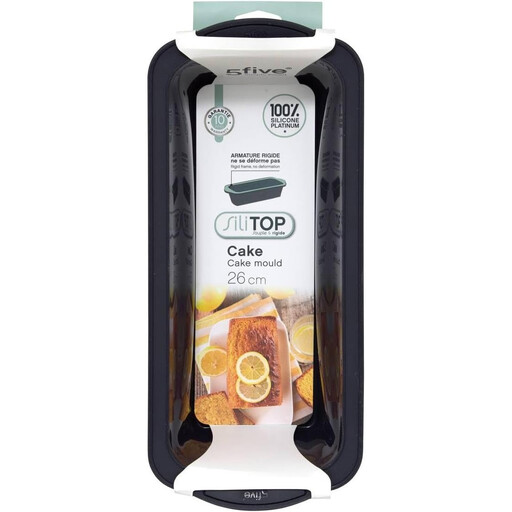
Why it's a great fit: Ideal for anyone looking for a reliable mould for classic loaf cakes, breads, or p?tés. It's the robust all-rounder for your weekly baking routine.
The integrated steel frame gives the mould exceptional stability. This completely bypasses the "stability trap"—no warping or bulging when filling and baking.
Combines the non-stick properties of silicone with the structural integrity of metal. Heat-resistant up to 220°C and dishwasher-safe for hassle-free use.
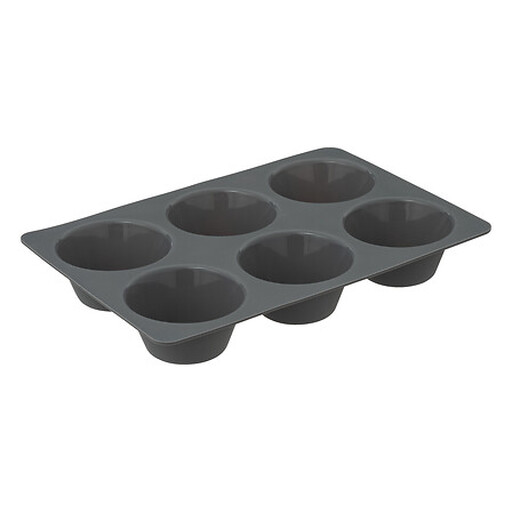
Why it's a great fit: Perfect for preparing sweet and savoury muffins, cupcakes, or mini-quiches. The mould ensures uniform results and is ideal for parties or breakfast.
Crafted from high-quality, food-grade silicone that ensures safe use and a reliable non-stick effect. The "pop-out" design makes paper liners unnecessary and bypasses the pitfall of diminishing non-stick performance.
Even heat distribution for consistent baking results in every cup. The mould is flexible, space-saving, and dishwasher-safe for easy cleaning.
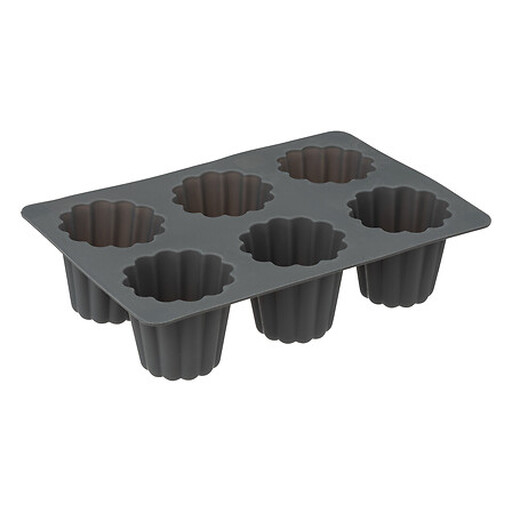
Why it's a great fit: For ambitious bakers tackling sophisticated French specialities like cannelés. This mould is designed for the precision needed to achieve an authentic result.
The high-quality silicone ensures precise shaping of the typical ridges and excellent heat conduction, which is crucial for the caramelised crust. Its "easy-release" property prevents the delicate pastries from breaking.
Authentic, fluted design for professional-grade results. Its extreme temperature resistance makes it versatile for complex recipes that require both baking and chilling.
Beyond baking moulds, there is a wide variety of practical silicone baking accessories. Discover our full range that meets the quality criteria mentioned here.
For the first use, it's recommended to lightly grease the mould with oil or butter. With high-quality silicone moulds, this is often no longer necessary for subsequent uses, as a natural non-stick patina develops. However, a light greasing can still be beneficial for very sticky batters or to achieve a particularly smooth surface.
Although most moulds are labelled as dishwasher-safe, hand washing with warm water and mild washing-up liquid is often gentler and preserves the non-stick properties for longer. For stubborn, baked-on residue, the mould can be soaked in warm, soapy water. Avoid abrasive sponges or harsh cleaning agents.
Feel the mould: it should feel sturdy yet flexible, not thin or flimsy. A reinforced rim is a good sign. Perform the "pinch test": if you bend the silicone sharply and a white line appears, this can indicate fillers in the material. Pure platinum silicone retains its colour. Also, look for information on heat resistance and labels confirming it is food-grade and BPA-free.
Best regards,
Your Joybuy Product Recommendation Officer