
Lieferung heute & morgen

Qualitätsgarantie

Willkommens-Angebote freischalten: KOSTENLOSE Lieferung | Bis zu 80 % RABATT | Kostenlose 30-Tage-JoyPlus-Testphase
App herunterladen
A silicone baking mould can make baking and cleaning easier. However, a flexible mould doesn’t automatically guarantee even results. Details such as a sturdy rim, the right depth and clear temperature guidance can make all the difference to how well your muffins, cakes and desserts turn out.
Silicone is easy to store and makes it simple to release baked goods from the mould. However, a mould made entirely from soft silicone can warp around the edges when you carry it to the oven. This can cause runny batter to spill or sit unevenly in the cavities.
A silicone baking mould with a reinforced frame is more practical, as is a design that can be placed on a baking tray. A sturdy rim makes a real difference when handling silicone muffin moulds and deep cake tins.
‘Heat-resistant’ doesn’t tell you much without a specific temperature range. Check whether the manufacturer clearly states if the mould is suitable for the oven, microwave, freezer and dishwasher. The permitted temperature can also vary between models.
A dishwasher-safe baking mould can save you time when cleaning, but check the product description before choosing one. Harsh cleaning products, sharp objects and incorrect temperatures can damage the surface over time.
Silicone often has a surface that makes it easy to release baked goods. That doesn’t mean every recipe will work perfectly without greasing the mould. Very sugary, caramelised or delicate batters can still stick.
If you’re considering a non-stick-coated baking mould, check the material details and care instructions. Cooling time matters too: cakes and petits fours usually need to rest briefly before you remove them from the mould.
Look for a specific material description, such as food-grade silicone, as well as details of the manufacturer or importer. For products that come into contact with food, the general requirements of Regulation (EC) No 1935/2004, among others, apply in the EU. The product information from the relevant supplier should confirm whether the product complies.
A low-odour, non-porous surface is practical for everyday use, as fewer residues can cling to it. However, ingredients that stain easily, such as berries or chocolate, can still cause discolouration.
The dimensions need to suit your oven, recipe and preferred portion size:
Check that the mould is suitable for the way you plan to use it. A model that works in both the oven and freezer is more versatile, whether you’re making baked cakes, mousses or frozen desserts. For easy cleaning, you should be able to open the mould fully or turn it inside out, so no batter is left in the indentations.
A flexible baking mould can be folded or rolled up. When baking, though, it should sit on a sturdy baking tray unless it has a built-in frame.
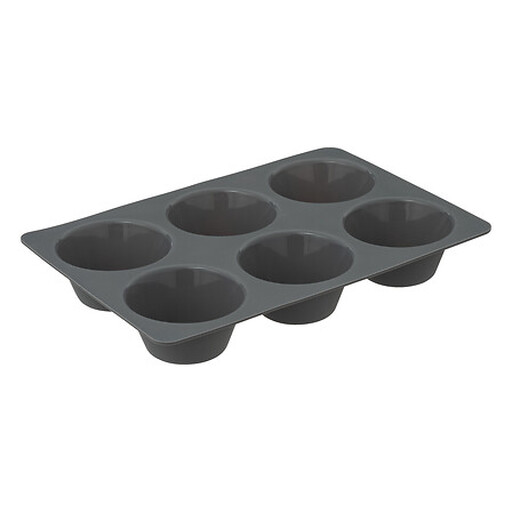
Why this product suits this profile: Measuring 35 × 20 × 4 cm, this muffin mould has several equally sized cavities for muffins or cupcakes. Its light weight of 0.050 kg makes it easy to store.
The clearly stated dimensions make it easier to plan how the mould will fit on your baking tray. According to the product description, it’s made from food-grade silicone and is dishwasher-safe.
Make several portions in one mould; flexible design, listed as suitable for use in the oven and freezer.
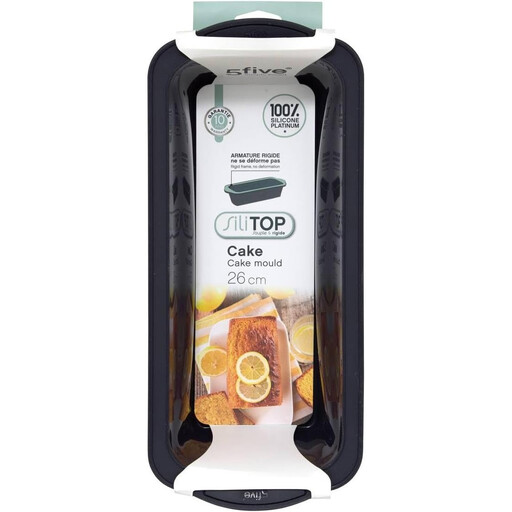
Why this product suits this profile: The combination of steel and silicone, together with the sturdy integrated frame, helps the tin hold its shape when baking bread, cakes and other loaf-shaped bakes.
The frame reduces the risk of the soft loaf tin warping as you fill it. According to the product details, its temperature range is -20 °C to 220 °C.
26 cm long, with a 1.59-litre capacity; dishwasher-safe and listed as suitable for use in the oven and microwave.
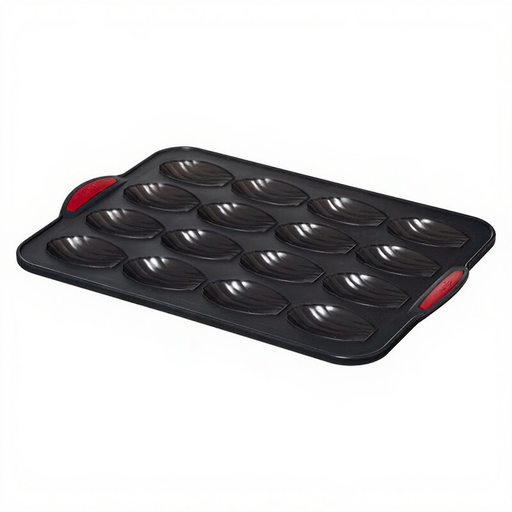
Why this product suits this profile: With 16 cavities, this madeleine mould lets you bake several small cakes in one batch. It’s also designed for cupcakes and other small bakes.
The integrated rigid frame is designed to keep the rectangular mould stable while you fill and move it. The product description lists food-grade silicone, a non-stick surface and dishwasher-safe cleaning.
16 cavities, dimensions of 35.9 × 24.3 × 19 cm and a weight of 0.31 kg, according to the supplier.
We’ve put together a complete, regularly updated list of products that meet these strict selection criteria and fully comply with the safety regulations in force in the EU.
Not always. For many cake batters, the flexible surface makes it easy to release your bake once it has cooled. A light greasing can help with sticky, sugar-rich or very delicate batters. Follow the recipe and the manufacturer’s care instructions too.
Its lifespan depends on the material, temperature, cleaning and how you handle it. Avoid using knives, forks and rough sponges directly on the mould. Visible changes to the material, a lingering smell or cracks are all signs that it’s time to replace it.
It depends on the model. A mould labelled as dishwasher-safe can be cleaned according to the manufacturer’s instructions. For designs with a steel frame, check the guidance on temperature, programme and drying too.