
Lieferung heute & morgen

Qualitätsgarantie

Willkommens-Angebote freischalten: KOSTENLOSE Lieferung | Bis zu 80 % RABATT | Kostenlose 30-Tage-JoyPlus-Testphase
App herunterladen
A good Silicone Baking Mold promises a lot: effortless cake release, easy cleanup, and compact storage. In practice, however, not all products live up to these expectations. Many home bakers invest in a mold that proves to be impractical or of low quality after just a few uses. As your Joybuy Product Recommendation Officer, I'll help you identify the typical pitfalls and make an informed decision.
Before you add a new mold to your shopping cart, you should be aware of the three most common problems that lead to frustration in the kitchen.
To avoid these problems, you should check three key features before buying. These objective criteria will help you realistically assess the performance and durability of a mold.
The material is the most crucial aspect. Look for the specification 100% platinum silicone. This material is food-grade, odorless, tasteless, and free from harmful plasticizers or fillers. A simple pinch test can provide a clue: if the material turns white at the fold, it likely contains fillers. Pure silicone retains its color. A good flexible baking mold should also be designed for a wide temperature range, from approximately -40°C to +230°C, making it versatile for both the oven and the freezer.
A good silicone cake mold strikes a balance between flexibility for easy release and stability for safe transport. Some models solve this problem with a reinforced rim or integrated handles. A particularly well-designed solution are molds with an embedded steel frame. These combine the stability of a metal pan with the advantages of a non-stick baking mold made of silicone. For smaller molds like a silicone muffin pan, the material thickness is crucial for the stability of the individual cavities.
The mold must suit the baking project. A silicone tart pan needs a low, stable rim for a shortcrust pastry, while a mold for canelés requires deep, sharply defined ridges. Always check the care instructions as well. A high-quality dishwasher-safe baking mold makes daily life much easier and retains its properties even after many wash cycles.
Based on these objective criteria, we have selected a few products from our range for different user profiles.
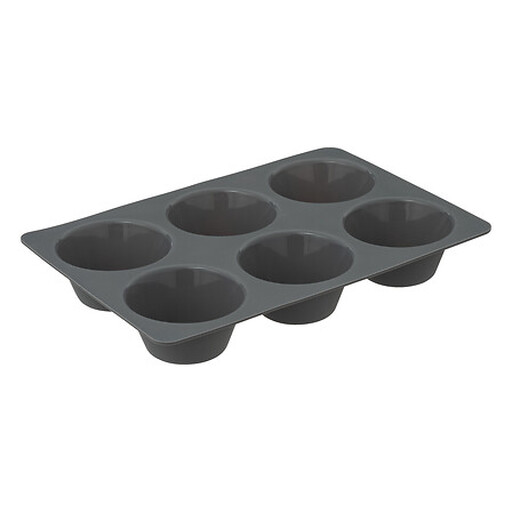
Why This Fits Their Persona: Ideal for quick breakfast muffins or cupcakes for a child's birthday party. The mold is straightforward to use and delivers consistent, foolproof results thanks to its precisely shaped cavities.
The high flexibility of the silicone allows for an easy "pop-out" release by pushing the muffins from the bottom, thus avoiding the trap of disappointing non-stick performance.
The mold is dishwasher-safe and stain-resistant, which significantly simplifies cleanup after baking with fruits or chocolate.
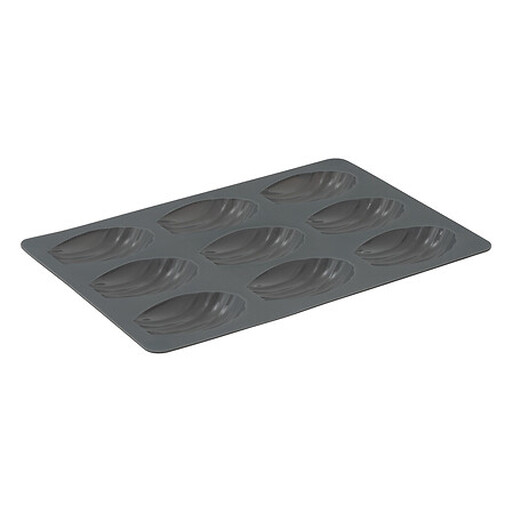
Why This Fits Their Persona: For anyone who wants to recreate authentic French pastries at home. This mold is specifically designed for making classic, shell-shaped madeleines with their delicate ridges.
The precisely crafted shell cavities and the material's rapid heat conduction ensure sharply defined edges, preventing details from being lost due to poor non-stick performance.
Made from 100% premium food-grade silicone that is odorless and won't interfere with the delicate flavors of the pastry. The material is also optimized for rapid heat transfer.
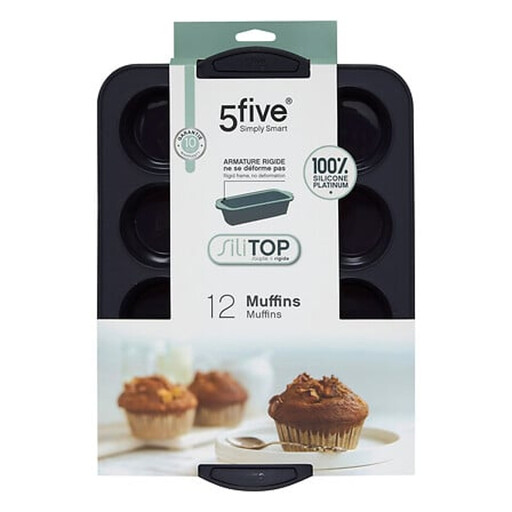
Why This Fits Their Persona: Perfect for bakers who regularly prepare larger batches and value stability and ease of use. Ideal for meal prep or baking for parties and events.
The combination of silicone and an integrated steel frame solves the problem of poor structural stability. The mold can be lifted and transported securely even when full, without sagging.
The robust construction ensures exceptional durability and even heat distribution, while the silicone cavities continue to guarantee effortless release of the baked goods.
We have compiled a complete, up-to-date list of products that fully meet these strict selection criteria and German safety regulations.
Yes, preparation is recommended. Before the first use, clean the new mold thoroughly with hot water and mild dish soap to remove any manufacturing residues. Some manufacturers recommend lightly greasing the mold the first time or "baking" it empty once at a high temperature to activate the non-stick properties and eliminate any final residues.
Most high-quality silicone molds are dishwasher-safe. However, for a longer lifespan, hand washing is often gentler. Use warm water, a soft sponge, and mild dish soap. For stubborn greasy films that can build up over time, a home remedy has proven effective: apply a paste of baking soda and water to the affected areas, let it sit, and then rinse it off.
Silicone insulates heat differently than metal. It doesn't conduct heat as directly, which can result in less browning. To achieve better browning and more even heat distribution at the bottom, always place the silicone mold for baking on a metal baking sheet. This not only stabilizes the mold but also provides better bottom heat. You may need to slightly adjust the baking time compared to a metal pan.