
Lieferung heute & morgen

Qualitätsgarantie

Willkommens-Angebote freischalten: KOSTENLOSE Lieferung | Bis zu 80 % RABATT | Kostenlose 30-Tage-JoyPlus-Testphase
App herunterladen
A silicone baking mould can make it easier to release bakes, clean up and save storage space. However, a flexible mould won’t always deliver consistent results. The key factors are the material, how well it holds its shape and the temperature range it’s designed for. If you only look for claims such as ‘non-stick’ or ‘heat-resistant’, you could miss important details.
Very soft silicone can be rolled up to save space, but it may buckle when you carry it to the oven. A stable surface is especially useful when you’re working with runny cake batter or a heavy quiche filling. So, either place a silicone cake tin on a baking tray or choose one with a built-in frame.
‘Suitable for the oven’ isn’t a complete technical specification. Before buying, check the temperatures the silicone baking mould is approved for, and whether it can also be used in the freezer or microwave. These features aren’t guaranteed for every model.
Silicone often has a surface that makes it easy to release bakes. That doesn’t mean every recipe will come out perfectly without any preparation, though. A light greasing can help with very sugary, rich or delicate mixtures. Cooling time also affects how easily cakes, tarts or madeleines come out cleanly.
Look for a clear material description, such as food-grade silicone. For products made from more than one material, such as a silicone loaf tin with a steel frame, check which parts are made from each material. For products that specifically state they comply with EU requirements, refer to the manufacturer’s information. For example, the ‘MUFFINS 12 SILIC MOLD SILITOP’ model is stated to comply with EU standards.
Choose a size that fits your oven and the recipe you have in mind. A 26 cm round tin works well for many classic cakes, while a 12-cup muffin tin lets you bake individual portions all at once. For a silicone tart tin, check the depth too: shallow models are designed for tarts, flans and quiches, while deeper tins are better suited to cakes made with a pourable batter or generous fillings.
Useful details to check include:
A dishwasher-safe baking tin can make cleaning easier. Even so, check that all traces of grease or batter have been removed before putting it away. Flexible moulds are usually easy to store without taking up much space, but they shouldn’t be left sharply folded for long periods. A frame or steel reinforcement can make a mould easier to handle, although it will take up a little more cupboard space.
The models below cater to different needs. The features listed are based on the information provided for each product.
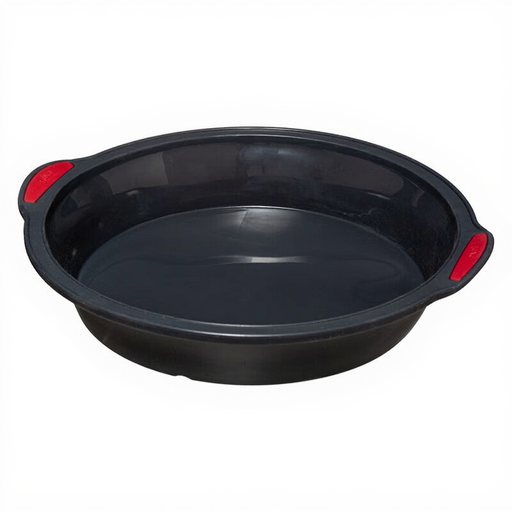
Why it suits this profile: The 26 cm round size works for many classic cake recipes, making this an easy introduction to flexible baking moulds.
Its standard shape helps you avoid choosing a mould with an overly specialised design. For runny mixtures, we recommend placing it on a baking tray.
A 26 cm round shape and flexible silicone construction for space-saving storage.
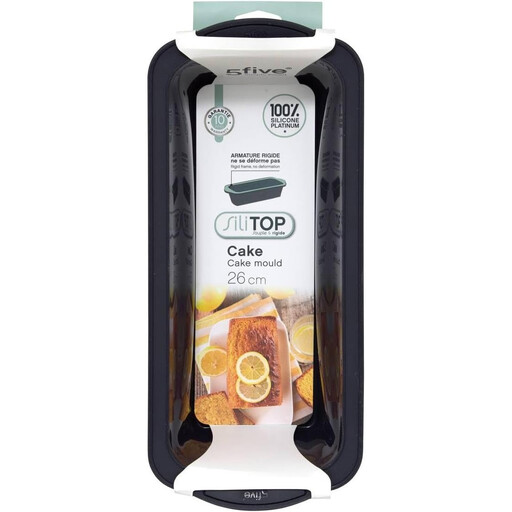
Why it suits this profile: The combination of steel and silicone pairs a supportive frame with the benefits of a flexible baking mould.
The built-in frame helps prevent the soft loaf tin from losing its shape when you fill it or take it out of the oven.
26 cm long, with a capacity of 1,59 litres and, according to the product information, suitable for use in the oven and microwave.
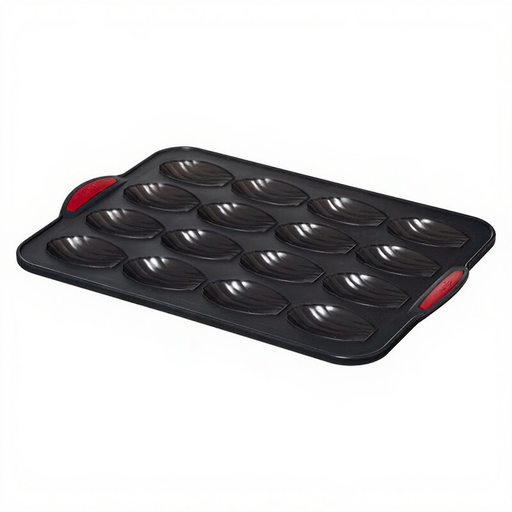
Why it suits this profile: With 16 cups, this mould is made for larger batches and suits households that regularly bake madeleines or small cakes.
The rigid frame helps prevent the mould from warping when you carry or fill it. The number of cups also saves you from baking several small batches.
16 cups, a weight of 0,31 kg and, according to the product information, dishwasher-safe cleaning.
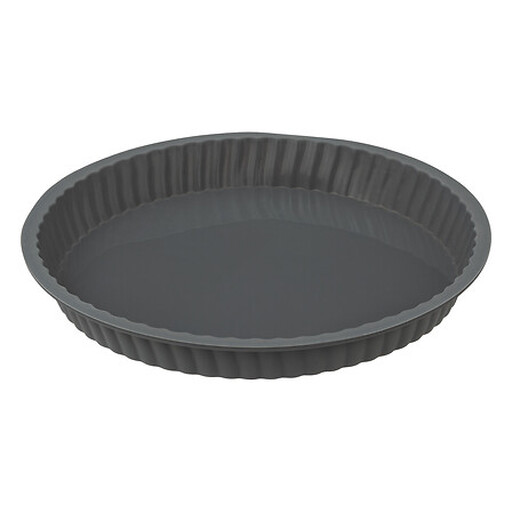
Why it suits this profile: Its shallow, square shape, measuring 31 × 31 × 4 cm, is suitable for tarts, quiches, flans and shallow cakes.
Its stated shallow depth makes it clear what the mould is designed for, helping you avoid buying it by mistake for tall cakes.
A shallow 31 cm shape, food-grade silicone according to the product information, and suitability for the oven, microwave and freezer according to the description.
We’ve put together a complete, regularly updated list of products that meet these strict selection criteria and fully comply with the safety regulations in force in the EU.
Not always. For many mixtures, the flexible surface makes it easy to release your bake. A thin layer of grease can help with sticky, very sugary or delicate recipes, though. Always follow the care and use instructions provided by the manufacturer.
There’s no set lifespan that applies to every mould. It depends on the quality of the material, how often you use it and how well you care for it. Replace the mould if you notice cracks, permanent warping, sticky patches or obvious changes to the material. Sharp knives and abrasive cleaners can damage the surface.
No. These features must be stated clearly in the product description or instructions. A dishwasher-safe baking tin isn’t automatically suitable for the microwave or freezer. Before you buy, check the cleaning instructions, temperature range and guidance on use with different appliances.