
Lieferung heute & morgen

Qualitätsgarantie

Willkommens-Angebote freischalten: KOSTENLOSE Lieferung | Bis zu 80 % RABATT | Kostenlose 30-Tage-JoyPlus-Testphase
App herunterladen
Silicone baking moulds are flexible, space-saving and suitable for a wide range of baking projects. However, not every silicone mould automatically delivers excellent results. Key factors include structural stability, suitable dimensions and clear information about the material, temperature range and cleaning requirements.
When buying a silicone baking mould, you should not be guided solely by terms such as “non-stick” or “professional quality”. Practical details often determine whether the mixture releases cleanly and whether the mould is convenient to use in everyday kitchen life.
A soft silicone mould is easy to store, but it can become unstable when being carried to the oven. This is particularly important with runny cake batter, quiche mixtures or tarts, as the mould may tip when lifted. A sturdy baking tray or reinforced frame makes filling and placing the mould in the oven much easier.
Silicone generally has a smooth surface that can make releasing baked goods easier. However, the release performance is not identical for every mould, particularly with rich, caramelised or very sugary recipes. Always take the manufacturer’s instructions and the recipe into account, and apply a thin layer of grease where appropriate.
Not every silicone mould is automatically approved for use in the oven, microwave, freezer and dishwasher. Before buying, check the stated temperature range and permitted uses. Contact with heating elements, grill functions or sharp kitchen utensils may also be restricted.
Look for a clear material specification such as food-grade silicone and information confirming compliance with applicable EU requirements for materials that come into contact with food. Details about the manufacturer or responsible party should also be available. A neutral product description with technical details is more useful than broad advertising claims.
The exterior dimensions must fit your oven rack and available storage space. With a silicone muffin mould, the number and diameter of the cavities are also important. For example, the 12-cup mould from 5five measures 33.1 × 23.7 × 4.1 cm and, according to the product information, has twelve cavities measuring 6.5 cm in diameter each.
For a silicone tart mould, diameter, height and base area all matter. Shallow moulds are suitable for tarts, flans and quiches, while a deeper silicone cake mould provides more volume for sponge and cake batters.
A dishwasher-safe baking mould can reduce cleaning time. Nevertheless, residues should be removed promptly, particularly those from chocolate, fruit sugar or very fatty batters. Flexible moulds can usually be laid flat, rolled or stacked to save space. They should be completely dry before being stored and should not be kept permanently beneath heavy objects.
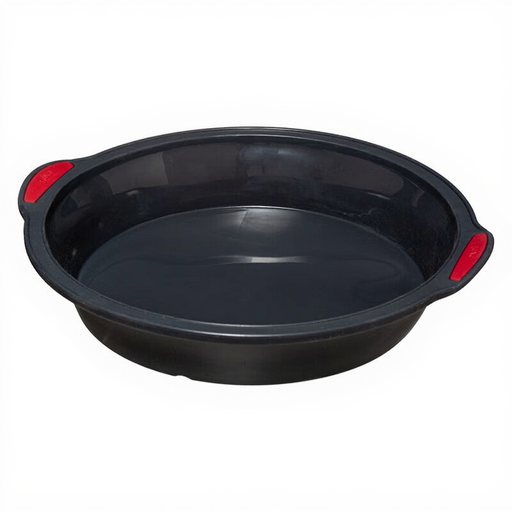
Why This Fits Their Persona: The classic round shape is ideal for households looking for a versatile silicone cake mould that takes up minimal storage space.
Before buying, you can compare the 26 cm diameter directly with your oven rack and recipes. This helps avoid choosing a mould that is too large or impractical.
Standard round size; flexible silicone construction for space-saving storage.
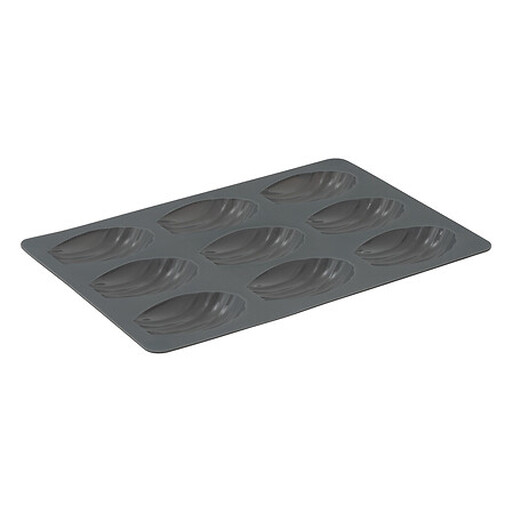
Why This Fits Their Persona: This Madeleine mould is designed for baking enthusiasts who want to prepare shell-shaped French pastries, as well as small chocolate treats or mini cakes.
The cavity shape is clearly specified, so you will not end up buying a generic petit-fours mould when the distinctive Madeleine shape is what you need.
Measures 36 × 21.5 × 2 cm; according to the product information, suitable for the dishwasher and freezer.
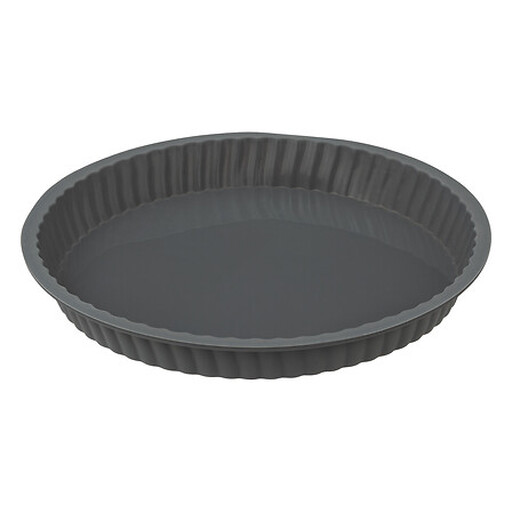
Why This Fits Their Persona: The shallow square tart mould is ideal for sweet tarts, quiches, flans and savoury pastry bases when a generous surface area is required.
The dimensions of 31 × 31 × 4 cm and the shallow design are clearly stated. This makes it easier to choose confidently instead of relying on imprecise product images.
Food-grade silicone according to the product information; the description states that it is suitable for the oven, microwave, freezer and dishwasher.
Place a flexible mould on a baking tray before filling it. Fill cavities or recesses only to the level recommended in the recipe, as batter rises differently depending on its composition. After baking, allow the goods to cool briefly before carefully loosening the mould from the edges.
For a canelé or Madeleine mould, it is worth checking the depth of the recesses carefully. With a silicone tart mould, the stability of the flat base is particularly important. If you are looking for a non-stick baking mould, also check whether the surface is designed to remain smooth over time and review the care instructions provided by the supplier.
Many models are designed for oven use, but the permitted temperature range varies by product. Always check the relevant product page and avoid direct contact with heating elements or the grill function unless this is expressly approved.
For many recipes, heavy greasing is unnecessary. With delicate batters, caramelised ingredients or during the first use, a thin layer of grease can make releasing the bake easier. The recipe, mould design and condition of the mould remain the decisive factors.
Service life depends on material quality, exposure to heat and how the mould is handled. Never cut directly inside the mould and do not use sharp utensils. Replace the mould if you notice cracks, a sticky surface or persistent odour transfer.
A complete selection of silicone moulds helps you compare dimensions, mould types and intended uses with precision.