
Lieferung heute & morgen

Qualitätsgarantie

Willkommens-Angebote freischalten: KOSTENLOSE Lieferung | Bis zu 80 % RABATT | Kostenlose 30-Tage-JoyPlus-Testphase
App herunterladen
Silicone baking moulds are space-saving, flexible and suitable for a wide range of sweet and savoury recipes. However, a flexible mould doesn’t automatically guarantee even results. The key factors are the material information, how well the mould holds its shape and whether it’s the right size for your oven.
A very soft silicone mould can warp when you carry it to the oven. Runny batter may then spill over the edge or spread unevenly. A stable rim or reinforcing frame is particularly useful for a silicone cake mould, a quiche tin or a large tart tin.
A rigid support structure is also helpful for muffins, Madeleines and similar small bakes. It makes the mould easier to put in and take out of the oven.
Silicone baking moulds are often advertised as easy to release. That doesn’t mean every recipe will turn out perfectly without any preparation, though. Very sugary, low-fat or sticky batters can cling to the mould. When using a new silicone baking mould, it’s worth following the manufacturer’s care and use instructions. Depending on the recipe, a light coating of grease may help.
Different rules apply to a non-stick coated baking tin made of metal: knives, metal spoons and scouring pads can damage the coating. Easy cleaning will only last if you treat the surface gently.
Not every baking mould is automatically suitable for the oven, microwave, freezer and dishwasher. Check the manufacturer’s specific instructions before buying. A mould listed as dishwasher-safe can save you time, while coated metal tins often need to be washed by hand.
With silicone moulds, you should also check for odours and discolouration, as well as the material information. The product description should state that the mould is suitable for contact with food. If you’re unsure, follow the information on the packaging and product page.
Silicone is flexible and can be stored compactly. However, a sturdy rim is useful for large or deep moulds. According to the product description, the 5FIVE Silitop loaf tin combines steel and silicone and has an integrated support frame. This makes it suitable for bread, loaf cakes and other bakes with an elongated shape.
Metal tins generally conduct heat more directly. The Ballarini PATISSERIE muffin tin is made from carbon steel and has a two-layer, PFAS-free non-stick coating. According to the product information, it’s oven-safe up to 230 °C, but isn’t suitable for the dishwasher.
The size needs to suit both your recipe and your oven. A 12-cup muffin tin needs enough clearance from the oven walls. If you’re baking for a family or making batches ahead, a muffin tin with several cups can be a good choice. If you’re more likely to make cakes, quiches or fruit tarts, compare the diameter, depth and rim height.
Examples from the range:
Before buying, check whether the mould can be used only in the oven or also in the microwave and freezer. Place it on a sturdy baking tray before adding runny batter. This makes it safer to move.
Let your bake cool first. You can usually release it from silicone by gently bending the mould. Don’t use sharp objects to lift it out. For a metal baking tin with a non-stick coating, wooden or plastic utensils are a gentler choice.
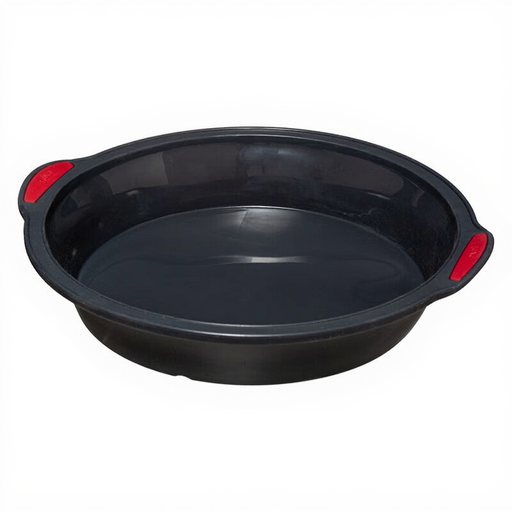
Why it’s a good fit: Its round shape is ideal for classic cake recipes and doesn’t call for any special recipe adjustments. It’s a straightforward addition to smaller households and a handy choice for baking beginners.
Once the cake has cooled, the flexible mould can be peeled away. If you’re using runny batter, place the mould on a baking tray before filling it.
Standard round shape; described as part of the Silitop silicone range.
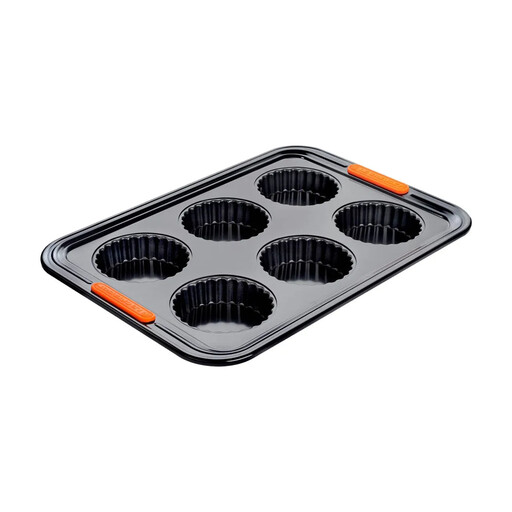
Why it’s a good fit: Six fluted cavities are designed for individual tartlets, mini quiches and small pies. The reinforced rim with silicone inserts makes the tin easier to handle with oven gloves.
The tin is made from carbon steel with a non-stick coating and, according to the product information, is oven-safe up to 240 °C. It isn’t suitable for the dishwasher and should be washed by hand.
Six individual cavities; PFAS-free non-stick coating according to the manufacturer.
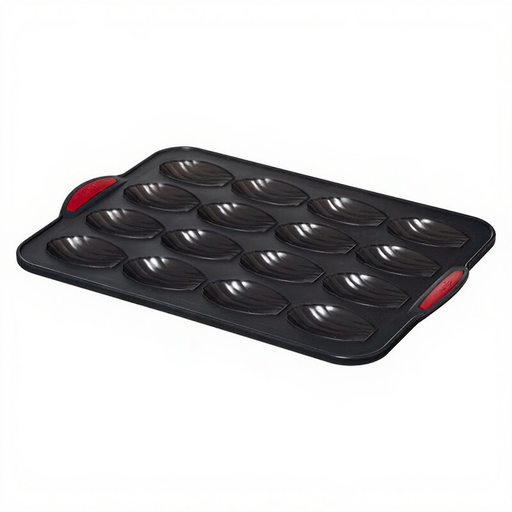
Why it’s a good fit: This Madeleine baking mould has 16 cavities, making it a good choice if you want to bake several small treats at once. According to the product description, a rigid frame helps it hold its shape.
The supplied frame helps prevent the mould from warping when you fill or move it. According to the product description, it’s dishwasher-safe.
16 cavities; dimensions 35,9 × 24,3 cm according to the product description.
We’ve put together a complete, regularly updated list of products that meet these strict selection criteria and the applicable EU safety regulations.
It depends on the material, the surface finish and the recipe. Always check the manufacturer’s instructions first. A light coating of grease can help release delicate or very sticky bakes. After the first use, it’s important to clean the mould thoroughly.
Some models are specifically labelled as dishwasher-safe, while others should only be washed by hand. Don’t assume they’re dishwasher-safe based on the material alone. Coated metal tins are particularly likely to require hand-washing.
Their lifespan depends on the temperature, how they’re cleaned and how they’re handled. Sharp objects, direct heat sources and harsh cleaning products can damage silicone or non-stick coatings. Stick to the maximum temperature, don’t use the mould on a hob and store it dry to reduce common wear and tear.