
Lieferung heute & morgen

Qualitätsgarantie

Willkommens-Angebote freischalten: KOSTENLOSE Lieferung | Bis zu 80 % RABATT | Kostenlose 30-Tage-JoyPlus-Testphase
App herunterladen
Silicone baking moulds make it easier to release muffins, cakes and desserts. But soft materials, unclear temperature guidance and unsuitable dimensions can all lead to disappointing purchases. So if you’re looking for a silicone baking mould, don’t choose on colour, shape or a low price alone.
Three common pitfalls are worth watching out for:
Look for a clear material description, such as silicone suitable for food contact. Words such as “premium” or “professional” don’t, on their own, tell you much about a product’s suitability. The manufacturer or retailer should also specify the recommended temperature range and permitted uses.
The products featured here have quite different specifications:
A non-stick baking mould reduces the need for extra fat, but you should still check the manufacturer’s instructions. A thin coating of oil or butter may still be useful for delicate batters.
Silicone is flexible, but that doesn’t mean it’s always stable. If you’re using runny batter, it’s best to place the mould on a firm surface, such as a baking tray, or choose one with an integrated metal frame. This makes it easier to put in and take out of the oven.
Look for:
According to the product description, the 12-cavity Silitop muffin mould has an integrated steel structure. The 16-cavity Madeleine Silitop is described as having a rigid frame. Both features can make these moulds easier to handle than a completely soft one.
A dishwasher-safe baking mould can save you time after baking. Even so, always check the care instructions for the specific product. For example, the PURECOOK carbon steel moulds are explicitly not dishwasher-safe and should be washed by hand with warm water and a soft sponge.
Silicone moulds are usually easy to store, as they can be folded or rolled up. However, sharp knives, metal edges and abrasive cleaners can damage the surface. To help your mould last longer:
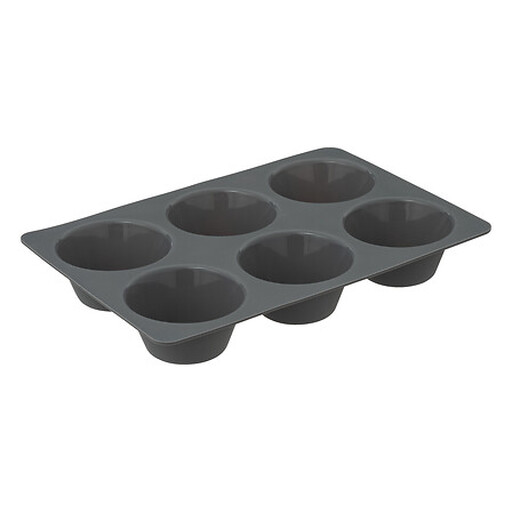
Why it suits this type of baker: This multi-cavity mould is designed for muffins and cupcakes and measures 35 × 20 × 4 cm. It’s a good choice for regular baking in a smaller household.
The product description specifies food-grade silicone, a dishwasher-safe surface and the mould’s exact dimensions. This makes it easier to check whether it’s right for you before you buy.
Several cavities for evenly sized portions; according to the product information, suitable for the oven and freezer.
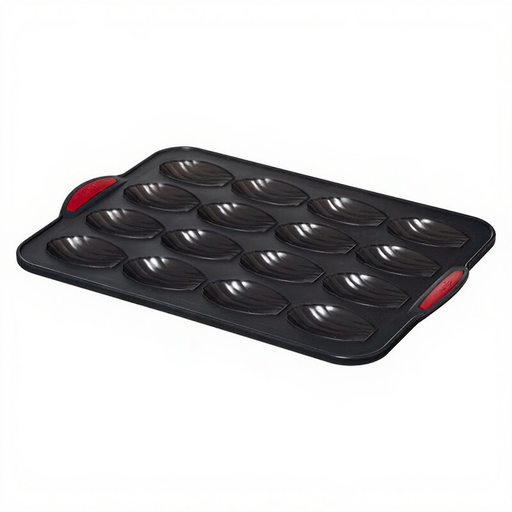
Why it suits this type of baker: The Madeleine mould has 16 cavities and a rigid frame. It’s a good fit if you want consistently sized portions and more control when handling the mould.
The frame helps prevent the mould from warping when you fill it or carry it. The outer dimensions, number of cavities and weight are also provided.
Bake 16 Madeleines at a time; described as dishwasher-safe in the product information.
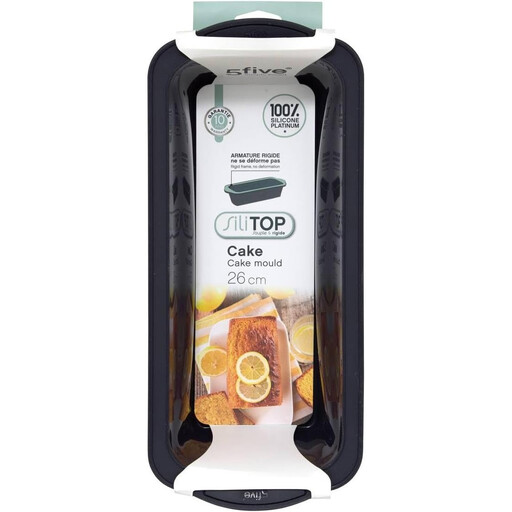
Why it suits this type of baker: This silicone loaf mould is designed for bread, cakes and similar bakes. According to the product description, it combines steel and silicone.
The integrated rigid structure addresses a common problem with loaf moulds made entirely from soft material: a lack of stability.
1.59-litre capacity; according to the product information, it’s dishwasher-safe and suitable for the oven and microwave.
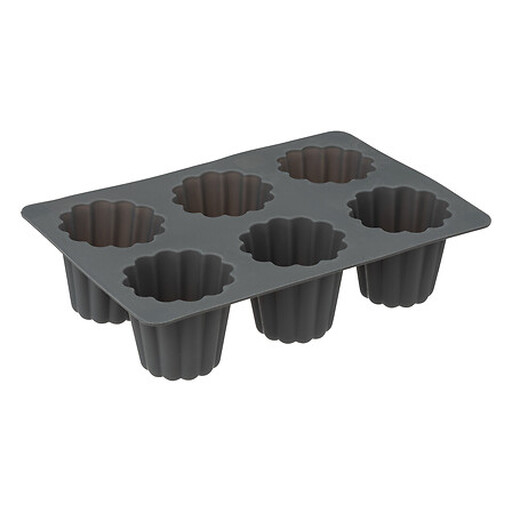
Why it suits this type of baker: The cannelé mould has shaped cavities designed to create the pastry’s distinctive form. It’s a good choice if you have a specific bake in mind.
The specific shape and dimensions of 31 × 17 × 6 cm make its intended use clear, rather than suggesting it’s suitable for everything.
Fluted cannelé cavities; according to the product description, it’s dishwasher-safe and suitable for the oven, microwave and freezer.
We’ve put together a complete, regularly updated list of products that meet these strict selection criteria and fully comply with the safety regulations in force in the EU.
Many silicone baking moulds have an easy-release surface. Greasing can still be helpful for dry or delicate batters. The right approach depends on your recipe, the mould’s design and the manufacturer’s instructions. If you’re using a new mould, it’s worth testing it with a small amount of batter first.
Their lifespan depends on the quality of the material, temperature, cleaning and storage. Avoid sharp objects, naked flames and temperatures outside the product’s stated range. Replace a mould if it develops cracks, sticky patches or permanent warping.
It depends on the product. Several 5FIVE and Silitop models are described as dishwasher-safe. The PURECOOK carbon steel set, on the other hand, is specifically intended for hand-washing. So check the care instructions before you buy, and if you bake regularly, choose suitable baking accessories such as soft sponges, dough scrapers or a sturdy baking tray.