
Lieferung heute & morgen

Qualitätsgarantie

Willkommens-Angebote freischalten: KOSTENLOSE Lieferung | Bis zu 80 % RABATT | Kostenlose 30-Tage-JoyPlus-Testphase
App herunterladen
As a Joybuy Product Recommendation Officer, I see every day how difficult it can be to choose the right kitchen utensils. The variety of silicone kitchen tools, in particular, can be overwhelming. They promise to protect non-stick pans and make kitchen tasks easier. However, not all products live up to their claims. Many buyers invest in a new cooking utensil set, only to find out after a short time that it can't handle the demands of daily use.
This guide is designed to help you avoid the typical pitfalls and make an informed decision. We will focus on the three most common flaws that cause silicone kitchen utensils to become unusable prematurely.
To avoid a bad buy, you should check a few technical features before purchasing. These objective criteria are more important than any marketing message and ensure that your new silicone kitchen utensil set is a durable and safe addition to your kitchen.
The most important criterion is the quality of the silicone. Look for products labelled as food-grade and BPA-free. A high-quality, heat-resistant spatula should withstand temperatures of at least 230°C without changing its shape or structure. This information is usually found in the product specifications and is a crucial indicator of the product's durability and safety, especially when cooking at high temperatures.
The handle is the interface between you and the tool. It should fit comfortably in your hand and allow for safe handling. Materials like beechwood or sturdy plastic with a non-slip coating are often a good choice. Even more important, however, is the inner core that gives stability to the tool's head (e.g., the spatula). A continuous, rigid core made of stainless steel or reinforced nylon prevents the tool from bending or breaking under the weight of food. One-piece designs, where the head and handle merge seamlessly, are often particularly robust and hygienic.
Consider what you will primarily need the utensils for.
Here are some product recommendations tailored to specific user profiles that meet the quality criteria mentioned above.
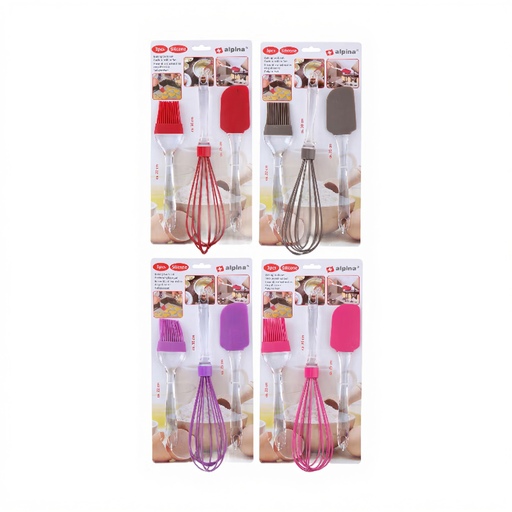
Why This Fits Their Persona: Ideal for anyone looking to equip their kitchen with the most basic baking tools without a large investment. This set provides the essential utensils for occasional baking and cooking.
The set avoids the hygiene trap with a simple, low-crevice design on the brush and scraper, which makes cleaning easier.
Offers a functional basic kit (brush, whisk, scraper) at a very accessible price point.
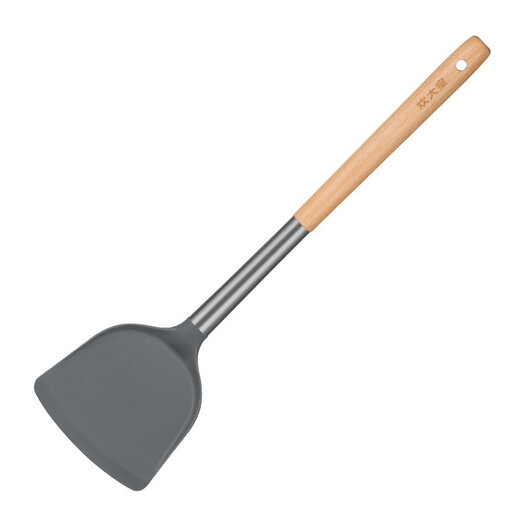
Why This Fits Their Persona: Designed for daily use. Those who cook regularly and value durability and the protection of their non-stick pans will find this a reliable set for a variety of tasks.
Addresses the poor construction trap with robust wooden handles and a stable core. According to the manufacturer, the material is BPA-free and highly heat-resistant.
BPA-free, heat-resistant silicone protects cookware. Ergonomic, water-resistant wooden handles offer a comfortable and secure grip.
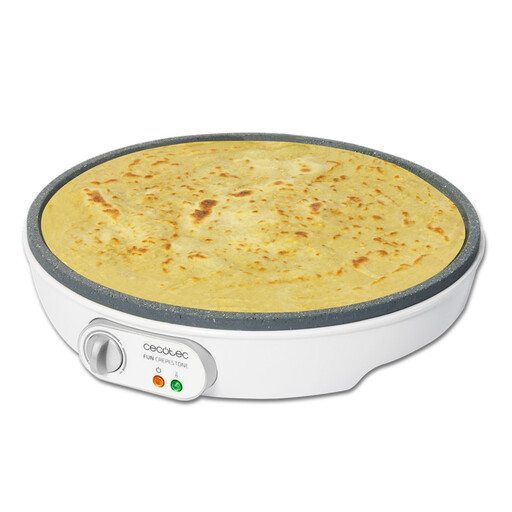
Why This Fits Their Persona: For crêpe lovers who want consistent results. A specialised appliance like this crêpes maker offers more control than a conventional pan and comes with matching accessories.
Instead of relying on unsuitable tools, this system offers a complete solution. The included spatula and batter spreader are perfectly matched to the non-stick coating.
Adjustable temperature control for even browning. The RockStone non-stick coating is PFOA-free, according to the manufacturer.
We have compiled a comprehensive, up-to-date list of products that fully meet these strict selection criteria and all relevant safety standards.
1. How heat-resistant are silicone kitchen utensils really? Heat resistance varies depending on the quality of the silicone. High-quality products can typically withstand temperatures up to 230°C or even 260°C, which is sufficient for most cooking and frying processes. However, direct contact with open flames or hot hobs should be avoided. Always check the manufacturer's specifications for the specific temperature range.
2. Can silicone spatulas damage my non-stick pan? No, quite the opposite. High-quality silicone kitchen utensils are specifically designed to protect the delicate surfaces of non-stick cookware. The soft, flexible material glides over the coating without causing scratches, unlike tools made of metal or hard plastic.