
Lieferung heute & morgen

Qualitätsgarantie

Willkommens-Angebote freischalten: KOSTENLOSE Lieferung | Bis zu 80 % RABATT | Kostenlose 30-Tage-JoyPlus-Testphase
App herunterladen
Silicone kitchen utensils have become a staple in modern kitchens, promising flexibility, durability, and easy cleaning. However, the market is saturated, and not every product lives up to its advertising claims. Many consumers invest in tools that quickly discolour, absorb unpleasant odours, or prove impractical for daily use due to a lack of stability.
This guide reveals the three most common pitfalls when buying silicone kitchen utensils and explains the objective criteria you should look for to select functional, safe products for your kitchen.
Before choosing a product, it's helpful to understand the typical weaknesses that often only become apparent after a few uses.
To avoid these issues, focus on verifiable technical specifications and recognised standards.
For products that come into contact with food in Germany, the LFGB certification (German Food, Consumer Goods and Feedstuffs Code) is the definitive standard. An LFGB-tested product has been verified to ensure no harmful substances migrate to food. This certification is more reliable than a simple "BPA-free" claim and is a clear indicator of high-quality, pure silicone.
A high-quality silicone kitchen utensil should handle a wide temperature range, typically from -20°C to +220°C. This ensures the product is not only heat-resistant for oven use but also safe for freezer storage and cleaning in the dishwasher (dishwasher-safe). Always check this specification in the product details.
Good design is proven by functionality.
Here are some product recommendations tailored to specific needs, all of which meet the quality criteria mentioned above.
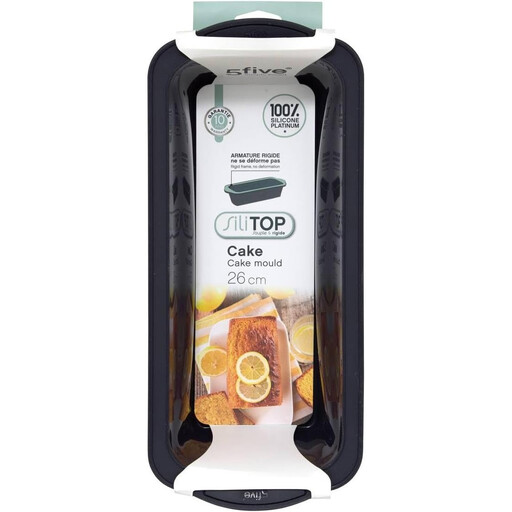
Why it's a great fit: Ideal for bakers who appreciate the non-stick benefits of silicone but don't want to sacrifice the stability of a traditional metal pan. Perfect for breads and loaf cakes.
The integrated, rigid steel frame solves the problem of poor structural integrity. The pan maintains its shape even with heavy batter and can be lifted safely into the oven.
Combines the stability of steel with the flexibility and non-stick properties of silicone. Heat-resistant up to 220°C and dishwasher-safe.
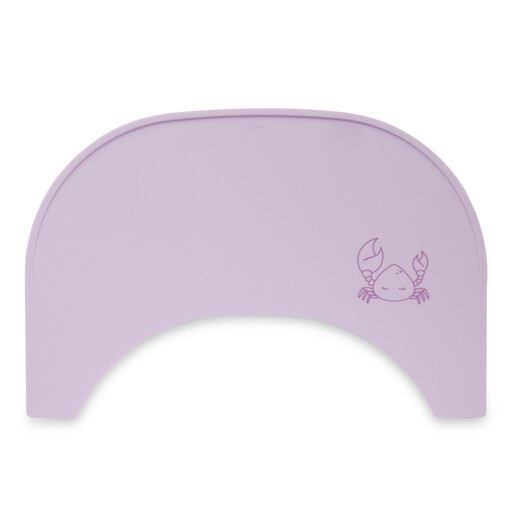
Why it's a great fit: A practical solution for families with young children. This silicone high chair mat protects surfaces, prevents dishes from sliding, and is extremely easy to clean.
This product is explicitly LFGB-certified. This guarantees comprehensive health safety, which is a top priority for children's products and goes far beyond a simple "BPA-free" claim.
The material is non-slip, dishwasher-safe, and temperature-resistant from -20°C to 220°C. This significantly simplifies handling and cleaning in a hectic family routine.
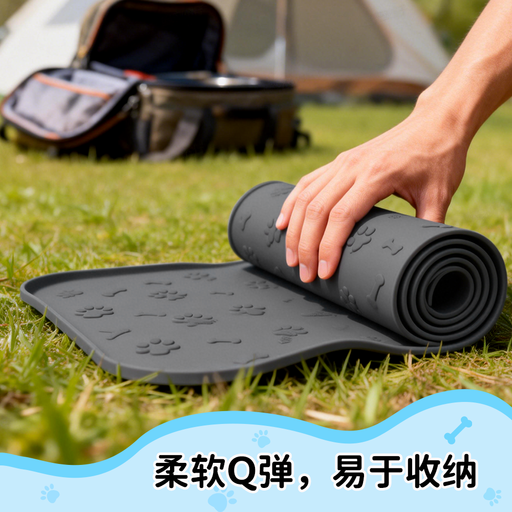
Why it's a great fit: This silicone feeding mat keeps a dog's or cat's feeding area clean and protects the floor from water and food spills. A hygienic and durable solution.
The approx. 1.2 cm high raised edge reliably contains liquids and food debris. This prevents the typical messes and water damage to floors that occur with flat or flimsy mats.
Made from food-grade silicone, the mat provides a safe eating environment. Its smooth surface is also very easy to clean, ensuring lasting hygiene.
We have compiled a complete, up-to-date list of products that fully meet these strict selection criteria and German safety regulations.
Are silicone kitchen utensils safe for your health? Yes, provided they are certified for food contact. Look for the LFGB certification, which represents the highest standard in Germany. Products with this seal have been comprehensively tested and are considered safe.
How do you remove odours or stains from silicone? Highly staining foods like tomato sauce or curry should be washed off as soon as possible. For stubborn odours, try rubbing the silicone item with a paste of baking soda and water, letting it sit, and then rinsing. Alternatively, you can "bake out" odours by placing the empty, clean product in the oven at around 100°C for about an hour.
What is the advantage of silicone over metal or glass kitchen utensils? Silicone is flexible, shatterproof, and lightweight. Its natural non-stick surface requires no chemical coatings that could scratch off. Unlike metal, it won't scratch delicate pan or pot coatings. Compared to glass, it has the major advantage of being unbreakable.