
Lieferung heute & morgen

Qualitätsgarantie

Willkommens-Angebote freischalten: KOSTENLOSE Lieferung | Bis zu 80 % RABATT | Kostenlose 30-Tage-JoyPlus-Testphase
App herunterladen
Baking madeleines is an art form in itself. These delicate, buttery pastries, with their signature shell shape and little "belly," are a classic of French p?tisserie. Yet, the path to the perfect madeleine is often paved with disappointment, stemming not from the recipe, but from the wrong bakeware. A silicone madeleine mould promises effortless handling and perfect results, but not every product delivers on its promise.
Before you make a purchase, it's crucial to understand the common pitfalls. Many home bakers invest in a mould that proves unusable after just a few uses. The most common problems include:
To avoid these problems, you should look for a few fundamental quality features. These parameters will determine whether you enjoy your French baking mould or not.
The deciding factor is the quality of the silicone. Look for the food-grade silicone label. This material is free from plasticisers (like BPA) and certified for contact with food. An important feature is temperature resistance. A high-quality silicone mould for madeleines should withstand a wide temperature range, typically from -40°C to +230°C. This not only allows for baking in the oven but also for freezing desserts or chilling the batter directly in the mould—a crucial step for creating the madeleine "belly."
A good shell-shaped mould must be sturdy enough to maintain its form. Some models feature an integrated, reinforced rim or are made from thicker material. This prevents the mould from sagging when filled or in the oven. Equally important is the precision of the individual cavities. The grooves of the shell should be clearly and deeply defined to give the finished tea cakes their classic, detailed appearance. Flat, undefined cavities lead to a disappointing result.
The choice of the right mould depends on your personal baking habits. Here are some recommendations tailored to different user profiles.
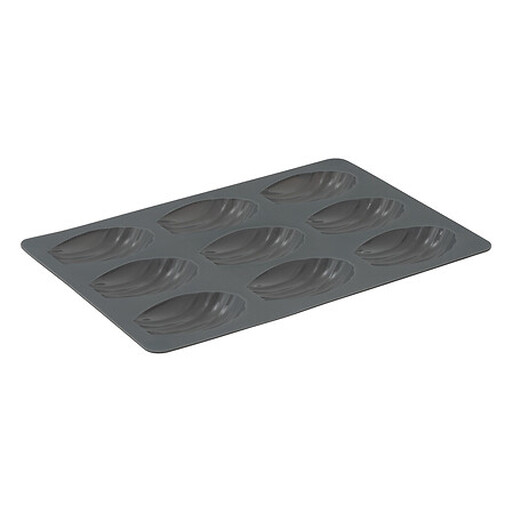
Why This Fits Their Persona: Ideal for those who want to focus on baking authentic madeleines. This mould is specifically designed for this purpose and features the classic shell cavities for a true-to-tradition result.
The highly flexible silicone allows for effortless release of the finished madeleines without damaging the delicate grooves. This counteracts the problem of sticking batter.
Precisely shaped cavities for the classic shell appearance. Dishwasher-safe for straightforward cleaning.
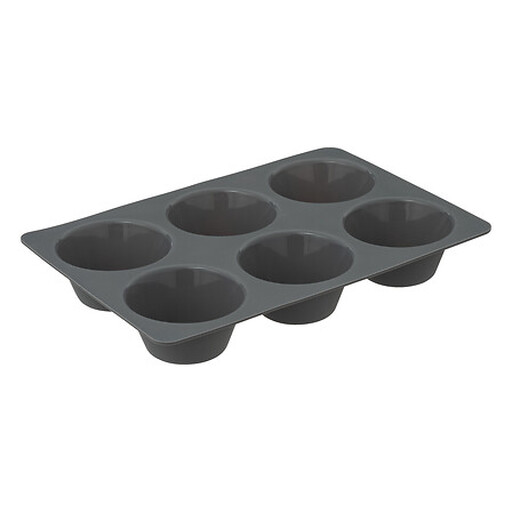
Why This Fits Their Persona: For bakers who make not only madeleines but also muffins, cupcakes, or other small cakes. This mould is a versatile tool for the daily baking routine.
The material is designed for even heat distribution, which counteracts the problem of uneven baking. The muffins achieve a consistent shape and browning.
Generously sized cavities for tall, appealing muffins. The mould is temperature-resistant and also suitable for frozen desserts or savoury mini-quiches.
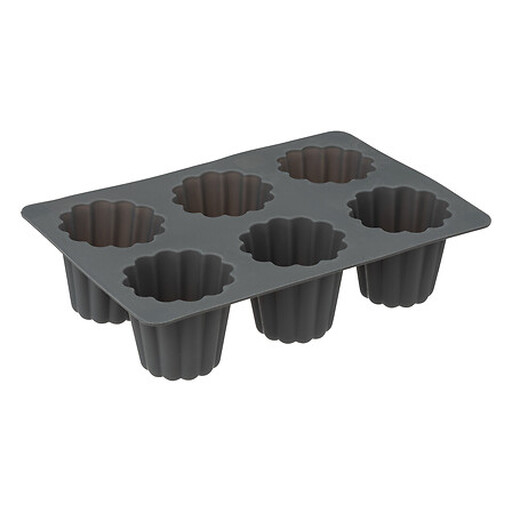
Why This Fits Their Persona: For baking enthusiasts looking to expand their French p?tisserie repertoire. After madeleines, the Cannelé de Bordeaux is the next challenge, requiring a special mould.
The mould is made from thick-walled, heat-conductive silicone designed for the high temperatures required for baking cannelés. This prevents the mould from warping and ensures the necessary caramelised crust.
Authentic, fluted cylinder shape for classic cannelés. The flexible material makes it easier to release the delicate pastries with their crispy exterior.
We have compiled a complete, real-time list of products that fully satisfy these strict selection criteria and UK safety regulations.
Although high-quality silicone has good non-stick properties, lightly greasing with butter or baking spray is recommended for the first few uses or with high-sugar recipes. This not only guarantees an effortless release but also promotes an even, golden-brown crust. For subsequent bakes, this is often no longer necessary.
The characteristic "belly" is created by a thermal shock. The key is to chill the batter well before baking—ideally for at least an hour in the refrigerator. The cold batter is then piped into the cavities of the mould, which has been preheated in the oven. The sudden temperature difference causes the batter to rise quickly in the middle, forming the typical hump. Good heat conduction in the madeleine mould is beneficial here.
Most food-grade silicone moulds are dishwasher-safe, which greatly simplifies cleaning. For hand washing, warm water, a mild washing-up liquid, and a soft sponge are sufficient. Avoid using abrasive scouring pads or harsh cleaning agents, as these can damage the non-stick surface. For stubborn grease deposits, it can help to heat the empty mould in the oven at 180°C for about 10 minutes to loosen the fats, and then wash it as usual.