
Lieferung heute & morgen

Qualitätsgarantie

Willkommens-Angebote freischalten: KOSTENLOSE Lieferung | Bis zu 80 % RABATT | Kostenlose 30-Tage-JoyPlus-Testphase
App herunterladen
A high-quality silicone mold can make baking at home much easier. The material's flexibility simplifies releasing cakes, its non-stick properties reduce the need for extra grease, and cleanup is often straightforward. However, the market is flooded with products of widely varying quality. Certain flaws can quickly render a seemingly practical mold unusable or compromise your baking results.
This guide highlights the crucial features of a good silicone mold and helps you navigate common pitfalls. We focus on the objective criteria that define a durable and functional piece of bakeware, so you can make an informed decision.
Many silicone baking molds look identical at first glance, but significant differences quickly emerge in practice. Watch out for these three common problems to avoid disappointment.
To avoid the problems mentioned above, you should check three technical aspects before buying. These define the quality, safety, and longevity of your new baking accessory.
The most important criterion is the quality of the silicone. Look for the "food-grade silicone" label. Such products are designed not to release harmful substances into food at typical oven temperatures. A BPA-free certification is a key indicator of a safer product. High-quality silicone is also odorless, flavor-neutral, and more resistant to staining from foods like tomato sauce or berries.
A good mold must be both: flexible enough to release baked goods easily and stable enough to hold its shape under the weight of the batter.
Every silicone mold should have clear specifications for its maximum and minimum temperature resistance. A typical range is between -40°C and +230°C (-40°F to +446°F). This makes the molds versatile—not just for baking, but also for freezing desserts or ice cream. Another important feature for convenience is whether the mold is dishwasher-safe. This significantly simplifies cleaning, as grease residues in the fine pores of the silicone can sometimes be stubborn.
Instead of making a one-size-fits-all recommendation, we have selected products tailored to specific user profiles.
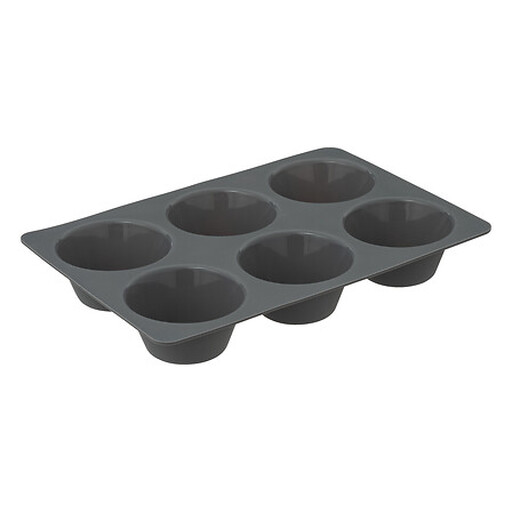
Why This Fits Their Persona: Ideal for anyone who bakes regularly and wants no-fuss results. This silicone muffin mold is a universal tool for sweet muffins, cupcakes, as well as savory mini-quiches or breakfast muffins. A true staple for any kitchen.
The design, with its precise cavities and sufficiently thick walls, ensures structural stability. The high-quality silicone guarantees a durable non-stick effect without a chemical coating.
Even baking results thanks to precisely formed cups. The high flexibility allows for an easy "pop-out" release of the muffins without paper liners.
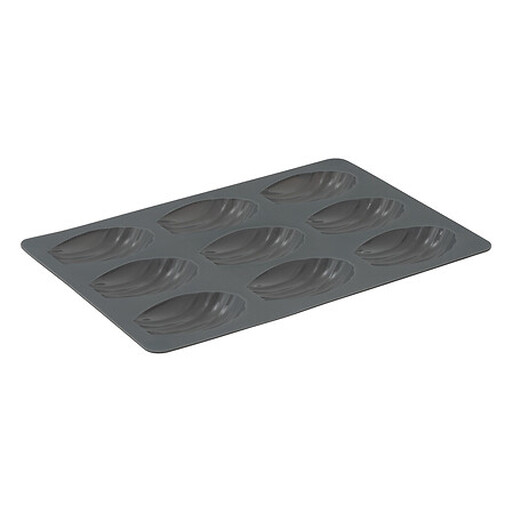
Why This Fits Their Persona: For baking enthusiasts who love classic French patisserie and value authentic results. This Madeleine mold allows you to create the delicate pastry with its characteristic shell shape and signature "hump."
Unlike flimsy, cheap molds, this precisely crafted mold retains its fine ridges even when heated. The material is optimized for the rapid heat transfer that is crucial for madeleines.
Authentic shell geometry for professional-looking pastries. The highly flexible silicone allows for damage-free release of the delicate madeleines.
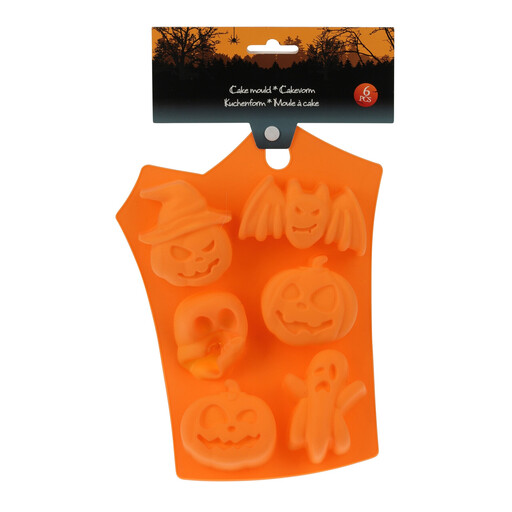
Why This Fits Their Persona: Perfect for special occasions and parties. This mold brings creative and fun elements into the kitchen and is ideal for surprising kids or guests with themed treats.
Made from food-grade silicone, this mold ensures safety when preparing treats for the whole family. It is durable enough for annual use without losing its quality.
Unique, detailed spooky motifs that remain clearly recognizable after baking. Versatile enough for cakes, jelly, or even ice cubes.
Whether it's a silicone cake pan, a silicone loaf pan, or a special tart pan – the selection of high-quality bakeware is vast. We have compiled a list of products that meet our criteria for quality and safety.
1. Do you need to grease a silicone baking mold? For most high-quality silicone molds, greasing is not necessary. The smooth, non-porous surface is naturally non-stick. However, for the first use or with particularly sticky, fat-free batters, lightly greasing or dusting with flour can provide extra insurance and make release even easier.
2. What is the best way to clean a silicone mold? Many silicone molds are dishwasher-safe, which makes cleaning very convenient. For stubborn, baked-on residues, it is recommended to soak the mold in warm water with a little dish soap. For manual cleaning, use only soft sponges or cloths to avoid damaging the surface. Abrasive cleaners or harsh brushes should be avoided.
3. Are silicone baking molds stable enough for liquid batter? Stability varies depending on quality and design. Thin-walled, very flexible molds should always be placed on a solid baking sheet for safety before being filled with batter. This prevents them from bending when lifted and ensures safe transport to the oven. Models with a reinforced rim offer more stability from the start.