
Lieferung heute & morgen

Qualitätsgarantie

Willkommens-Angebote freischalten: KOSTENLOSE Lieferung | Bis zu 80 % RABATT | Kostenlose 30-Tage-JoyPlus-Testphase
App herunterladen
A portable single hob is a flexible solution for many situations: as a first appliance in a student dorm, a practical addition to the office kitchen, a reliable companion for camping, or a temporary fix during a kitchen remodel. But the market is overwhelming, and many buyers fall into traps that lead to frustration and unnecessary expenses. Before you make a decision, it's crucial to know the most common pitfalls.
As your Joybuy Product Recommendation Officer, I've summarised the key points to help you make an informed choice that meets your needs, rather than falling for marketing promises.
To avoid these traps, you should carefully examine three core parameters. These are the primary determinants of your hob's performance, safety, and everyday usability.
The choice of technology is the most fundamental decision and depends directly on your cookware and priorities.
The maximum power, specified in watts, determines how quickly your electric hob reaches high temperatures.
More important than the maximum power, however, is the number of power or temperature levels. The more levels available, the more finely you can regulate the heat—from a gentle simmer to a powerful sear.
These features distinguish a well-designed appliance from a basic model.
Here are some models tailored to specific user profiles that cleverly avoid the pitfalls mentioned.
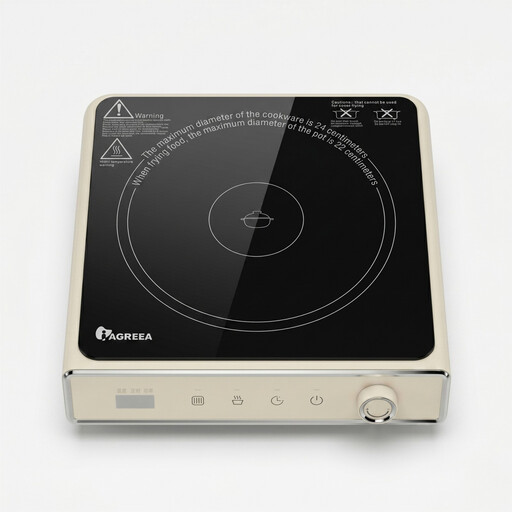
Why This Fits Their Persona: Ideal for students or small apartments where flexibility is key. The ceramic technology ensures that existing cookware can be used without additional costs. The combination of a rotary knob and digital display is intuitive.
The universal compatibility of the ceramic hob completely bypasses the "Compatibility Dead-End." The integrated automatic shut-off and residual heat indicator also address typical safety risks.
2000W power with 8 levels for versatile cooking applications. Works with all pot types (cast iron, stainless steel, glass, aluminium).
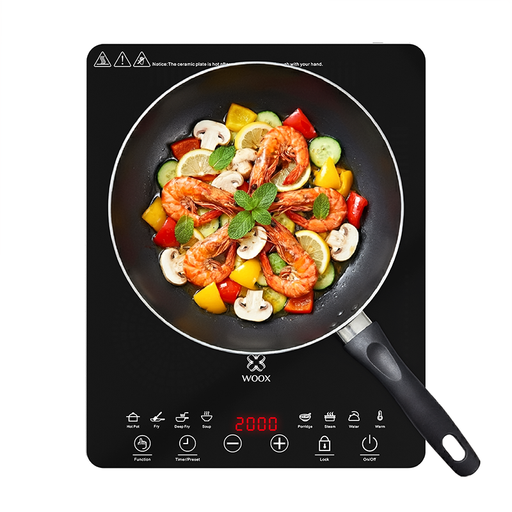
Why This Fits Their Persona: For users who value speed, energy efficiency, and precise control. The touch controls and preset programs fit well in a modern kitchen environment or a sophisticated office.
The automatic pan detection prevents operation without suitable cookware and immediately alerts the user to the compatibility requirement. The child lock and automatic shut-off provide a high level of safety.
RapidTherm induction technology with a large coil radius for fast, even heating. Comprehensive safety package including a child lock.
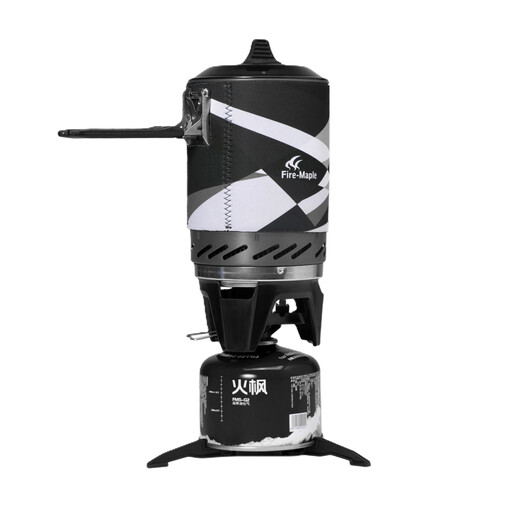
Why This Fits Their Persona: Perfect for campers, hikers, and anyone looking for a power-independent camping hob solution. The entire system can be stored in the pot to save space and is designed for efficiency in adverse conditions.
As a gas-powered system, it is independent of power sources and completely bypasses the power and compatibility traps of electric hobs in outdoor use. The integrated windshield addresses the problem of inefficient combustion.
Integrated cooking system with heat exchanger technology that, according to the manufacturer, reduces cooking time by up to 30%. All components can be stored inside the 1-litre pot.
We have compiled a complete, up-to-date list of products that fully meet these strict selection criteria and German safety regulations.
1. What cookware do I need for a single hob? This depends entirely on the heating technology. For an induction hob, you need pots and pans with a magnetic base (testable with a simple magnet). For ceramic and cast iron hobs, you can use almost any cookware, as long as it has a flat bottom for good heat transfer.
2. How many watts is sensible for a portable hob? For general purposes like cooking pasta, frying vegetables, or heating food, a power rating between 1800 and 2000 watts is a very good choice. This gives you flexibility and enough power reserves for rapid heating. For simply keeping food warm or cooking at low temperatures, models with around 1500 watts are also sufficient.
3. Are induction hobs safer than other models? Induction hobs offer specific safety advantages: there is no open flame, the cooking surface itself is not actively heated (only by the waste heat from the pot), and the pan detection switches the unit off when no cookware is on the hob. Nevertheless, caution is advised: the glass-ceramic surface can also reach high temperatures from the hot pot. A residual heat indicator is therefore also an important feature here.