Keep a close eye on your caramel
When making a small batch, you’ll want to be able to move the pan off the heat easily as soon as the sugar reaches the colour you’re after. Make sure you also have a safe place to set the hot pan down.


First, check that the material and diameter of your small saucepan’s base are compatible with the pan detection range specified for the particular induction model. If not, consider a heated ceramic glass or cast-iron hob. The German Environment Agency considers induction efficient when heating, but notes that you need suitable cookware. When making caramel, easy-to-reach controls and a safe place to put the hot pan matter too: power levels and timers are no substitute for keeping an eye on the colour of the sugar.
When making a small batch, you’ll want to be able to move the pan off the heat easily as soon as the sugar reaches the colour you’re after. Make sure you also have a safe place to set the hot pan down.
If you want to use a pan you already have, check that its base is suitable for induction and that its diameter falls within the range specified by the manufacturer for the particular hob.
If you’re looking for a portable hob for a single pan, consider not just the appliance’s dimensions but also the space needed for the handle, cable and somewhere to put the hot pan.
A good fit if: Your pan is induction-compatible and its base diameter falls within the range for the model you’ve chosen.
The trade-off: The German Environment Agency considers induction efficient when heating, but you’ll need suitable cookware.
A good fit if: You want to use a pan you already own that isn’t suitable for induction. ProfiCook says the PC-EKP 1210 is suitable for all types of pan.
The trade-off: The cooking surface may stay hot after you switch it off. Move the pan off the hob once the sugar reaches the right colour.
A good fit if: You want a simple single hob and would rather use your existing cookware without checking whether it’s induction-compatible.
The trade-off: The German Environment Agency considers cast-iron hotplates less efficient than induction. As they retain heat, it’s especially important to move the pan off the hob in good time.
| What matters to you | What to check before buying | Who should consider this? |
|---|---|---|
| Controlling the heat as the sugar browns | Check the controls and power settings, and leave a safe space for the hot pan. Power levels don’t show the measured temperature of the sugar. | If I want to watch the sugar closely and move the pan off the heat quickly, I look for easy-to-reach controls. Around 29% of consumers prioritise heat control. |
| Using a pan I already own | For induction, compare the base material and diameter with the specifications for the particular model. For example, CASO Design gives a pan diameter range of 12–24 cm for the Touch 2000. | If I want to keep using a small pan, I want to know in advance whether its base and size are suitable for the hob. Around 29% of consumers focus primarily on pan compatibility. |
| Space and ease of use | Consider the appliance’s dimensions, cable routing and the space available for the hot pan; take note of warnings about hot surfaces. | If I’m cooking with limited worktop space, I make room not only for the appliance but also for the handle and hot pan. Around 24% of consumers prioritise space and safe handling. |
| Long-term use | Compare your existing cookware with the model-specific information about repair services. Severin lists the service as available for the KP 1032 and unavailable for the KP 1092. | If I want to use the appliance for longer, I consider both my existing pan and the service available for the particular model. Around 18% of consumers prioritise long-term use. |
Even if the base is suitable, the pan’s diameter must also fall within the detection range of the particular hob. For example, CASO Design specifies 12–24 cm for the Touch 2000, so smaller bases aren’t covered by this range.
Measure the base of your pan, then check its material and diameter against the manufacturer’s specifications for that exact model before buying.
A power or temperature setting doesn’t measure the temperature of the sugar. It can continue to brown after you move the pan off the heat, as King Arthur Baking explains in its guide to making caramel.
Watch the colour as the sugar browns, and have a safe place ready to set the hot pan down.
Ceramic glass describes the hob’s surface, not necessarily its heating technology. Heated ceramic glass and induction differ in terms of pan compatibility and how they handle heat.
Check the heating technology stated for the particular model rather than relying on the surface material alone.
Portable single induction hobs. The Touch 2000’s stated pan detection range is particularly relevant if you’re using a small pan.
The heated ceramic glass PC-EKP 1210 single hob is an alternative if you want to keep using a pan that isn’t induction-compatible.
The range includes heated ceramic glass with the CT 2200/E and induction with the CTS 2000/IN.
The induction KP 1032 and cast-iron hotplate KP 1092 cater for different types of cookware.
Joybuy hobs for making small batches, including portable induction models and a ceramic glass cooking surface.
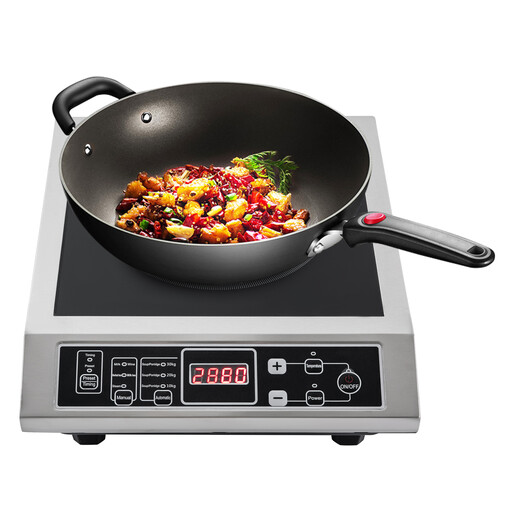 No image available
An option for making a small batch if your pan is induction-compatible.
The product name lists eight temperature settings, 800–3,500 W, a timer function and overheating protection.
 No image available
A portable induction option, as long as your small pan is suitable for the particular hob.
The product name lists a 28 cm surface, nine heat settings and a timer of up to 8 hours.
 No image available
An option as a single hob if your pan is induction-compatible.
The product name lists five power levels. Don’t leave the appliance unattended while it’s in use.
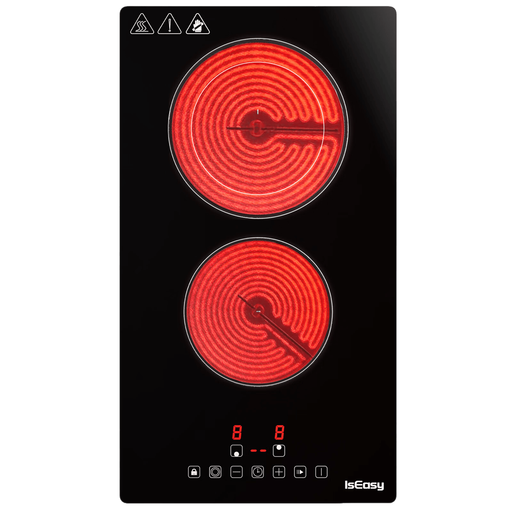 No image available
A heated cooking surface to consider if you don’t want to rely on induction.
The product name lists nine power settings, a pause function, child lock and overheating protection.
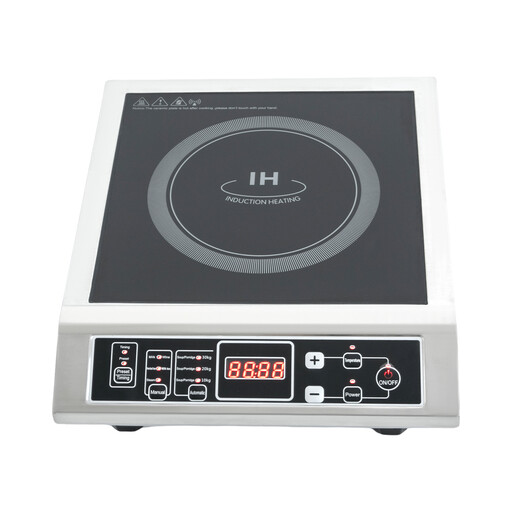 No image available
An option if your pan is induction-compatible and you’re looking for a portable hob.
The product name lists a timer and preset function.
No. Appliance settings don’t measure the temperature of the sugar. Watch its colour and move the pan off the heat in good time; the sugar can continue to brown after you take it off the hob.
Check whether the base is induction-compatible. Rommelsbacher says that holding a magnet against the base can provide a simple indication. Then compare the base diameter with the range specified for the particular hob. For example, CASO Design gives a range of 12–24 cm for the Touch 2000.
Check the connection, surface and ventilation requirements in the instructions for the particular model. Also leave room for the pan handle and a safe place to set down the hot pan.
Let the cooking surface and pan cool before cleaning, and follow the model’s instructions. In Germany, unwanted electrical appliances must be collected separately rather than put in household waste. Local collection points generally accept them free of charge, as the German Environment Agency explains.
No. A statutory warranty covers claims against the seller if goods are faulty; a guarantee is an additional voluntary promise. In Germany, online purchases generally come with a 14-day right to cancel, although the conditions and exceptions depend on the purchase and the goods. The Verbraucherzentrale explains the difference.