Who are the different types of hotplate suitable for?

If you want to control the heat while toasting

For small portions, what matters is how easily you can adjust the heat as you stir, and how the hotplate responds when you turn it down or switch it off. The maximum wattage alone won’t tell you how hot the breadcrumbs will get.

If you want to keep using the pans you already have

Check whether the pan base is suitable for induction and whether its size matches the cooking zone. With radiant and cast-iron hotplates, you don’t need a magnetic pan base.

If space is limited in your shared kitchen

Allow space not only for the cooking zone, but also for the whole appliance, safe use and cooling. Appliance dimensions and residual-heat warnings vary by model.

What should you look for when buying?

Induction

Suitable if: Your pan has a suitable magnetic base and fits the cooking zone.

Bear in mind: Cookware that isn’t suitable for induction won’t work; the settings don’t measure the temperature of the breadcrumbs.

Radiant hotplate

Suitable if: You want to keep using a flat-based pan without needing it to be induction-compatible.

Bear in mind: The cooking surface gets hot and may retain residual heat; make sure the cooking zone and pan base are a good match.

Cast-iron hotplate

Suitable if: You use a pan that isn’t suitable for induction and prefer a rotary control.

Bear in mind: Rommelsbacher says cast-iron hotplates take longer to heat up; retained heat may keep the toasting going.

Priority What to check when buying Who it matters most to
Heat control Controls and power adjustment; how the hotplate behaves when you turn it down. If I want to adjust the heat quickly as I stir, the controls and residual heat after switching off matter to me. Around 33% of consumers prioritise heat control when toasting for a short time.
Pan compatibility Induction symbol or magnet test; compare the pan base with the stated cooking-zone size. If I want to keep using a pan from the shared kitchen, it needs to suit both the heating technology and the cooking zone. Around 25% of consumers put pan compatibility first.
Safe use in a shared kitchen Check residual-heat warnings, the instruction manual and whether there’s a suitable place for the hotplate to cool. If several people use the kitchen, I want to plan for hot surfaces and cooling time so no one accidentally touches them. Around 25% of consumers prioritise safe use in a shared kitchen.
Worktop space and cleaning Check the appliance’s overall dimensions, not just the cooking-zone diameter, and follow the model’s cleaning instructions. If the hotplate is only used on the shared worktop occasionally, there needs to be enough room to set it up, let it cool and clean it. Around 17% of consumers prioritise space and cleaning.

What mistakes should you avoid?

  • Assuming ceramic glass means induction

    Ceramic glass describes the surface; on its own, it doesn’t tell you whether the appliance underneath uses induction or a radiant heating element. Only induction requires a suitable ferromagnetic pan base.

    Check the heating technology in the technical specifications and compare your pan base with the details given for the cooking zone.

    If your pan isn’t compatible with the heating technology you choose, you may need to buy suitable cookware as well.

  • Relying on a timer or pan detection instead of keeping an eye on things

    Breadcrumbs can continue to brown if they’re left on a hotplate. The German Fire Service Association lists food left unattended or forgotten on the hob as a cause of fires.

    Stay in the kitchen while toasting, keep stirring and move the pan off the cooking zone if needed.

  • Measuring only the cooking-zone diameter

    The cooking zone isn’t the same size as the appliance’s overall dimensions. In a shared kitchen, you also need to make sure there’s somewhere safe to set up the hotplate and let it cool after use.

    Compare the appliance dimensions with the available worktop and storage space, and set aside an undisturbed spot for it to cool.

Relevant brands and models

CASO Design

The Touch 2000 is a documented model to consider when comparing portable induction hobs.

  • CASO Design lists ten power levels, a rated power of 2000 W and a suitable pan size of 12–24 cm for this model.
  • The pan must be suitable for induction and fall within the stated size range. The power levels don’t show a measured toasting temperature.

Rommelsbacher

The range includes an induction hob and a single ceramic-glass hotplate with a radiant heating element.

  • For the CT 2010/IN, Rommelsbacher specifies a cooking zone of 120–230 mm and requires a ferromagnetic pan base. The CT 2203/TC has a 140/210 mm dual cooking zone and a residual-heat indicator.
  • The cooking surface of the CT 2203/TC itself gets hot. The manufacturer’s specifications aren’t an independent toasting test.

Severin

The KP 1032 and KP 1092 represent two different heating technologies among portable single hotplates.

  • Severin lists 2000 W, pan detection and a timer for the KP 1032 induction hob. The KP 1092 cast-iron hotplate has an 18 cm heating ring, 1500 W and a continuously adjustable rotary control.
  • The KP 1032 requires suitable cookware; with the cast-iron hotplate, remember that stored heat will affect short toasting sessions.

Joybuy products for induction cooking

The Joybuy products below are portable induction hobs. Choose one only if your pan has a suitable magnetic base and fits the relevant cooking zone.

Induction hob with IGBT technology, 3500 W, 8 temperature settings

Induction hob with IGBT technology, 3500 W, 8 temperature settings

For small portions that need close attention, provided your pan is suitable for induction.

Eight temperature settings; power range of 800–3500 W; timer function and overheat protection according to the product title.

View at Joybuy

Portable induction hob, 1000 W, 5 power levels

Portable induction hob, 1000 W, 5 power levels

For small portions, if your pan is suitable for induction and you want to adjust the heat using the power levels.

Five power levels; 1000 W; dimensions of 21.5 × 21.5 cm according to the product description.

View at Joybuy
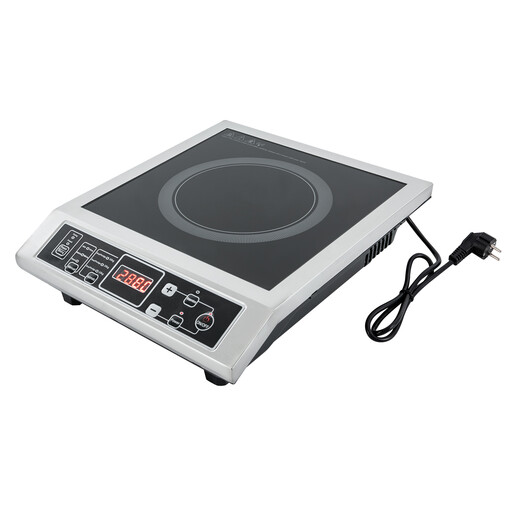
Countertop induction hob, 3500 W, 8 power and temperature settings

Countertop induction hob, 3500 W, 8 power and temperature settings

For toasting under supervision when you want to adjust the settings as you stir and your pan is suitable for induction.

Eight power levels and eight temperature settings; timer function; EU plug. The product title lists IPX4 splash protection.

View at Joybuy
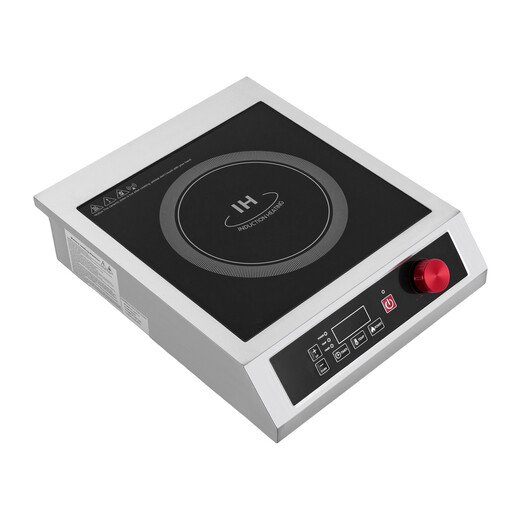
Countertop induction hob, 3500 W, 10 power levels

Countertop induction hob, 3500 W, 10 power levels

For small portions, as long as the pan base and cooking zone are a good match.

Ten power levels and a timer according to the product details; EU plug. The description lists cookware up to 9.84 inches.

View at Joybuy
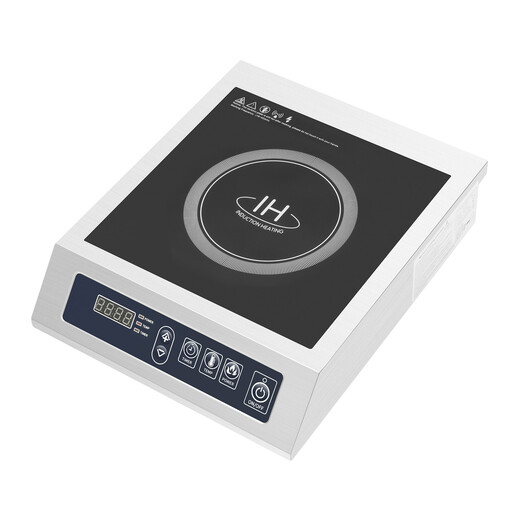
Countertop induction hob, 3500 W, 11 power levels

Countertop induction hob, 3500 W, 11 power levels

For toasting with adjustable heat, provided your pan falls within the stated size range.

Eleven power levels; 24-hour timer; EU plug. The description lists cookware from 4.72 to 11.81 inches.

View at Joybuy

Frequently asked questions

How can I toast breadcrumbs without relying too heavily on a temperature setting?

Stir the breadcrumbs carefully in the pan until they’re lightly browned. An Alnatura recipe recommends this method; keep an eye on the small portion and move the pan off the heat if needed. An appliance setting doesn’t measure the temperature of the breadcrumbs.

How do I check whether my pan will work before buying an induction hob?

Look for the induction symbol or, as CASO Design recommends, check whether a magnet sticks to the base of the pan. Also compare the size of the base with the range specified for the particular hob.

When can I clean and put away a cast-iron or radiant hotplate?

Wait until the hotplate has cooled, following the model’s instructions. Cast-iron hotplates retain heat; the Rommelsbacher CT 2203/TC has a residual-heat indicator. Until the surface has cooled, make sure it’s clearly visible and won’t be disturbed in a shared kitchen.

What marking should I look for on a new electric hotplate in Germany?

New, ready-to-use electric hotplates within the relevant AC voltage range must meet low-voltage requirements; products covered by the rules must carry the CE marking. The German Federal Institute for Occupational Safety and Health explains the scope of these requirements. According to the European Commission, CE is the manufacturer’s declaration of conformity, not a certificate issued by a central EU body. Check the information for the specific product.

What if someone using the hob has an electronic implant?

The Federal Office for Radiation Protection advises that any potential interference should be assessed by a doctor on a case-by-case basis. Anyone affected should seek medical advice about their individual circumstances before using an induction hob; this doesn’t mean there’s a general ban for all users.