
Lieferung heute & morgen

Qualitätsgarantie

Willkommens-Angebote freischalten: KOSTENLOSE Lieferung | Bis zu 80 % RABATT | Kostenlose 30-Tage-JoyPlus-Testphase
App herunterladen
A blocked kitchen drain, splashing water on the worktop, or a basin plug that doesn’t seal properly: small accessories have a bigger impact on daily life than their size suggests. At the same time, many products look similar at first glance. What really matters, however, are the dimensions, material, fixing method and the actual area of use.
This buying guide from the Joybuy Product Recommendation Officer helps households, tenants, homeowners and DIY enthusiasts choose the right sink and bathroom drain accessories with confidence.
The term “universal” doesn’t mean a product will fit every sink or basin. With a pop-up waste valve, for example, the drain opening, thread and overflow function all need to match. A waste valve designed for a basin with an overflow won’t automatically fit a basin without an overflow opening.
Metal, stainless steel, plastic, silicone and TPE all have different properties. A flexible, collapsible kitchen strainer can save space, whereas a chrome-plated brass waste valve is designed for permanent installation. What matters isn’t just the material name, but whether it’s suitable for daily contact with water, cleaning products and mechanical wear.
A sink splash guard with suction cups needs a smooth, clean surface. A self-adhesive door stop sticks more reliably to dust-free and grease-free surfaces. With waste kits, incorrectly positioned seals or overtightened nuts can cause leaks. So you should check the installation method against your existing surface before buying.
Before buying, measure or check the following points against your existing fitting:
Silicone and flexible plastics are often suitable for adaptable splash guard or strainer solutions. TPE, TPR and PP are used in collapsible kitchen helpers because they allow compact storage. With a fixed basin drain plug, however, the seal, thread and surface durability are important factors.
Chrome-plated brass offers a sturdy construction and a smooth surface. Even so, you should avoid abrasive scouring pads and aggressive, acidic cleaners if you want the surface to stay looking even over time. Seals made of silicone or synthetic rubber must sit correctly and should not be twisted during installation.
A sink strainer or bathroom drain sieve should be removable and rinseable without tools. In the kitchen, it mainly collects food scraps; in the bathroom, typically hair and soap residue. Emptying it regularly prevents deposits from building up in the strainer.
With pop-up mechanisms, an occasional visual check is a good idea. You should also check underneath the basin to see if moisture is gathering at the connections. A leaking connection shouldn’t be fixed by tightening it further until you’ve checked the position of the seal.
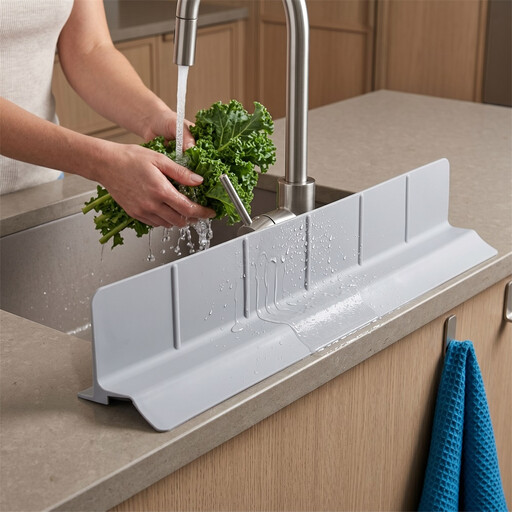
Why This Fits Their Persona: For rented flats or kitchens where you want to add something without drilling, a splash guard with suction cup fixing is a great option.
The fixing uses suction cups rather than permanent installation. The prerequisite is a smooth, clean and dry surface.
Silicone construction and tool-free fitting; suitable when you want to avoid drilling.
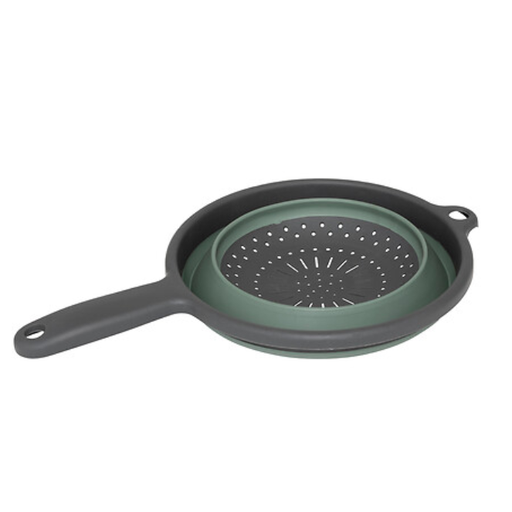
Why This Fits Their Persona: The collapsible kitchen strainer suits small kitchens, student flats and households with limited storage space.
The dimensions of 22.5 × 36.5 × 3.5 cm and the foldable design make the space requirement clear.
Flexible materials made from TPE, TPR and PP; suitable for rinsing fruit, vegetables or draining pasta.
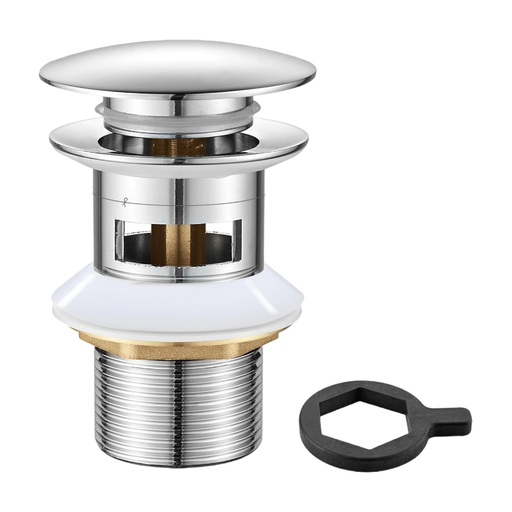
Why This Fits Their Persona: For permanently replacing a basin waste with overflow, this pop-up waste valve is designed for specific dimensions and long-term installation.
The stated fit range of 41 to 50 mm and the clear indication that it’s for a basin with an overflow make checking compatibility easier.
Brass body with chrome-plated surface; pop-up mechanism and double-layer silicone seal according to the product description.
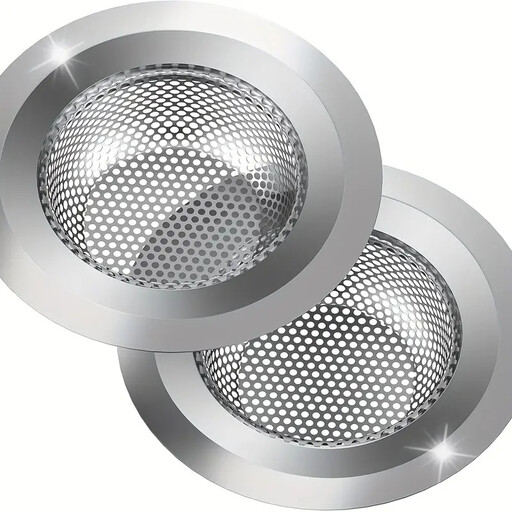
Why This Fits Their Persona: Households with daily washing up or frequent cooking can use two filters alternately and clean the one that’s been removed.
The set is designed for catching solid kitchen waste. This means less food waste goes directly into the drain; however, you should still check the fit against your existing drain.
Two reusable kitchen filters; removable and designed for rinsing.
In the full category you’ll find more products for different sizes, drain types and areas of use around the home.
For bathrooms with hair and soap residue, a basin plug or a separate stainless steel drain sieve can be useful. For doors, a self-adhesive door stop prevents door handles from hitting walls. Before fitting, check the wall material and adhesive surface for compatibility. In rented properties, it’s also important that the stop can be removed without leaving marks; follow the manufacturer’s instructions for this.
No. Check the drain diameter, thread, seal and overflow opening. A model designed for a basin with an overflow isn’t suitable for every basin without an overflow.
That depends on how much you use it. In a busy kitchen, it’s a good idea to empty it after cooking or washing up. In the bathroom, clean the sieve as soon as you can see hair or soap residue building up. Regular cleaning helps keep water flowing freely, but it doesn’t replace professional repair for deeper blockages.
First, measure the drain opening and check whether there’s an overflow. Seals must sit flat and clean. Tighten the fixing by hand; overtightening can damage the ceramic or seals. After installation, check the connection underneath the basin for moisture.