
Lieferung heute & morgen

Qualitätsgarantie

Willkommens-Angebote freischalten: KOSTENLOSE Lieferung | Bis zu 80 % RABATT | Kostenlose 30-Tage-JoyPlus-Testphase
App herunterladen
A suitable sink drain strainer can prevent food scraps, hair or soap particles from going straight into your pipework. Yet not every model is right for every basin. Poor purchases often happen because buyers only look at the price, a supposedly universal fit or a shiny surface.
This guide shows you which features actually matter when choosing a kitchen drain strainer, a basin plug or a pop-up waste assembly.
The term universal drain strainer often describes a wide range of uses, but it doesn’t replace actually measuring up. Drain openings differ between kitchen sinks and washbasins. What really matters is:
A strainer can be too small and slip through the opening. If it’s too large, it won’t sit flush and water can run past the sides.
A stainless steel sink strainer is often advertised as corrosion-resistant. However, the workmanship is also crucial: sharp edges can make cleaning difficult, and very fine holes can clog up quickly. With coated or chrome-plated components, you should also avoid using abrasive cleaners.
A basin plug seals the drain but doesn’t necessarily catch hair or debris. For the bathroom, a combined plug and filter model is usually more practical. In the kitchen, the kitchen strainer should primarily hold back solid food scraps and be easy to remove.
Measure the drain opening in several places. If there’s an existing insert, also check its outer diameter and the seating surface. For a new waste assembly, the manufacturer’s specifications are the ones to follow.
A pop-up waste assembly is fitted into a basin with a pre-drilled drain opening. Models with an overflow opening are not suitable for basins without an overflow. Conversely, a drain without a matching overflow construction cannot function correctly.
For the kitchen, removable filters made of stainless steel or durable plastic work well. Stainless steel is easy to care for and suitable for contact with water; the specific material quality and workmanship still remain important.
In the bathroom, a metal plug with a chrome-plated surface can match your tap visually. According to product information from the brand GRIFEMA, the corresponding drain valve is made of brass with a chrome finish and is designed for standard openings of 41 mm. The seals must sit correctly so that no moisture escapes underneath the basin.
A good washbasin drain filter should be removable without tools. Look for:
A hair catcher for the bathroom should be cleaned regularly. In the kitchen, it’s advisable to remove food scraps after each major use rather than rinsing them down the drain.
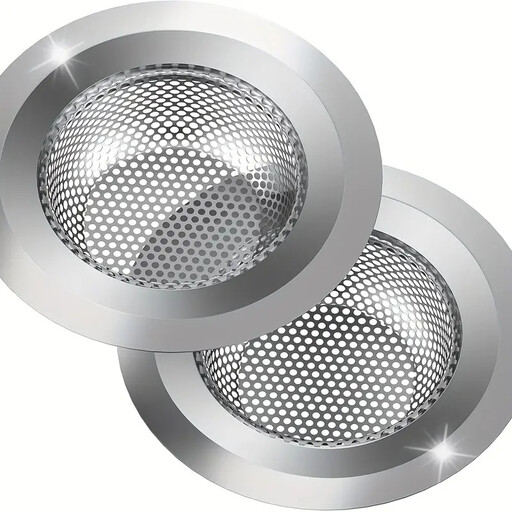
Why this product suits the profile: The set of two kitchen filters is suitable for households looking for a simple solution for solid residue when washing up or preparing food.
Two filters allow you to swap them over while cleaning. Before buying, compare the actual drain size with your existing basin.
Two pieces included; designed for catching food scraps and other solid waste.
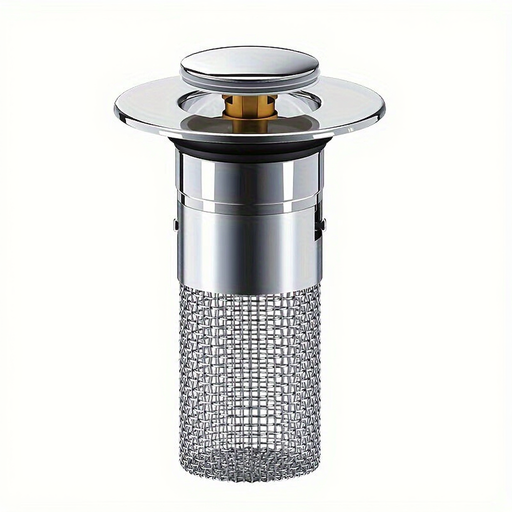
Why this product suits the profile: This model combines a plug and filter for a bathroom washbasin and is designed for tool-free installation in suitable standard drains.
The filter function sets this model apart from a plain plug. Still, check the stated universal size against your existing drain before buying.
Stainless steel construction; removable filter for straightforward cleaning.
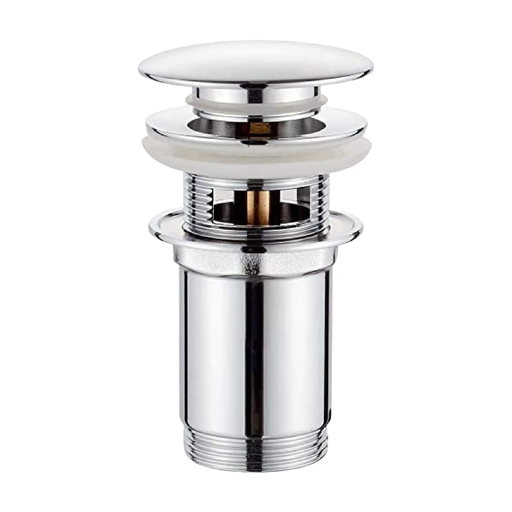
Why this product suits the profile: The pop-up waste assembly is suitable for a washbasin with a pre-drilled drain and overflow, when you need to replace an operable plug.
The product specifications state 41 mm as the suitable standard opening. This prevents you from choosing based solely on the term “universal”.
Brass with chrome finish; click mechanism and supplied sealing rings according to GRIFEMA brand product information.
Why this product suits the profile: A swap-out model is handy when you cook daily and need to clean one filter while washing up.
The filters are emptied regularly rather than continuing to use overloaded inserts. Compatibility should still be measured beforehand.
Two-pack; designed for solid kitchen waste and daily removal.
We’ve put together a complete, regularly updated list of products that fully meet these strict selection criteria and the safety regulations in force in the EU.
With a loose-fitting sink drain strainer, simply place the insert correctly onto the seating surface. Remove it regularly, empty the contents into your household waste and rinse it with water. Fats and oils should not go down the drain, as they can build up in the pipework.
With a waste assembly:
Installation without a matching overflow hole or with a poorly seated seal can lead to leaks. In rented properties, any permanent changes to the plumbing should be agreed with your landlord beforehand.
The size depends on the drain opening and the seating surface. Measure the inner diameter of the opening and compare it with the product dimensions. With a pop-up waste assembly, details such as 41 mm or the range of 41 to 50 mm are also relevant.
A washbasin drain filter or hair catcher with a removable sieve insert traps hair before it reaches the pipe. A simple plug without a filter function is less suitable for this. Cleaning should be done as soon as visible debris collects.
In the kitchen, cleaning after cooking or washing up is recommended. In the bathroom, the interval depends on usage. Regular emptying prevents the filter from overflowing and debris from entering the drain.