
Lieferung heute & morgen

Qualitätsgarantie

Willkommens-Angebote freischalten: KOSTENLOSE Lieferung | Bis zu 80 % RABATT | Kostenlose 30-Tage-JoyPlus-Testphase
App herunterladen
A suitable sink strainer catches food scraps before they enter the drain. This makes cleaning easier and can help prevent residue from building up in the trap. However, kitchen sink strainers vary considerably in diameter, material, mesh size and cleaning requirements.
Whether you’re buying for your home, a restaurant, café or hotel, it’s worth checking for a few common pitfalls before you buy. A cheap drain filter won’t necessarily be right for you if it slips out of place or is difficult to empty.
A 7 cm sink strainer may suit smaller drains, but it won’t necessarily fit every sink. Measure your existing drain before ordering. The key things to check are:
A strainer that’s too small may slip out of place. If the rim is too wide, it may not sit flat, allowing water or food scraps to pass around the sides.
“Stainless steel effect” doesn’t automatically mean the product is made entirely from stainless steel. When buying a stainless steel sink strainer, read the material details carefully. Steel with a stainless steel finish may behave differently in terms of construction and care than a strainer made from solid stainless steel.
Smooth surfaces are practical for everyday use, as food scraps are easier to rinse off. In commercial kitchens, you should also follow your workplace’s hygiene requirements and the manufacturer’s instructions.
A fine-mesh sink strainer catches smaller particles, but it may clog more quickly. A coarse drain guard usually lets water flow through faster, but may not catch every small piece of food.
The right mesh therefore depends on how you’ll use it:
Measure the drain in several places if possible. For round openings, diameter is the most important measurement. For sink drain protection, also check whether the rim will rest on the edge of your existing drain.
“7 cm” usually refers to the diameter, but you’ll still need to check it against your sink. Even strainers with the same stated diameter can differ in rim shape and height.
A kitchen drain filter should be removed and rinsed regularly. Smooth metal surfaces can usually be cleaned with washing-up liquid and a soft brush. Harsh abrasive cleaners or stiff brushes can damage the surface.
For plastic or mesh options, check that they’re suitable for the cleaning method you intend to use. If the product doesn’t include detailed material information, don’t assume it’s rust-resistant, dishwasher-safe or certified for particular types of food contact.
One sink filter is often enough for home use. In a commercial kitchen, a larger pack may be useful if you want to replace dirty filters straight away. Don’t leave a filter full of food scraps for too long. This can cause unpleasant smells and affect water flow.
The selection below groups the available products by specific needs. It’s based on the product details provided, rather than broad claims about quality.
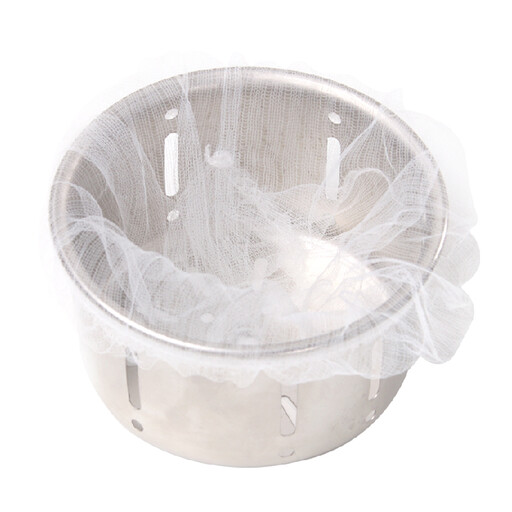
Why it suits this profile: The pack contains 500 filter elements, making it a good choice if you need replacements regularly and want to keep a larger supply on hand.
The large quantity means you’re less likely to keep using dirty filters for too long. Still, check the fit and make sure the filters are designed for your type of drain before buying.
500 pieces per pack; suitable for frequent filter changes, provided the size and design fit your sink.
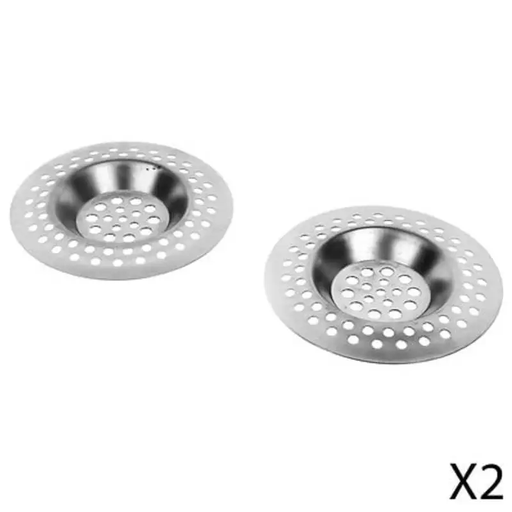
Why it suits this profile: According to the product details, this set of two is made from steel with a stainless steel finish and has a diameter of 7 cm. It’s a good option if you’re specifically looking for a compact metal design.
The stated diameter makes it easier to check whether the strainers will fit small drain openings. Clean the finish according to the care instructions, without putting unnecessary strain on the surface.
Set of 2 strainers; 7 cm diameter; designed for sinks, draining areas and surfaces.
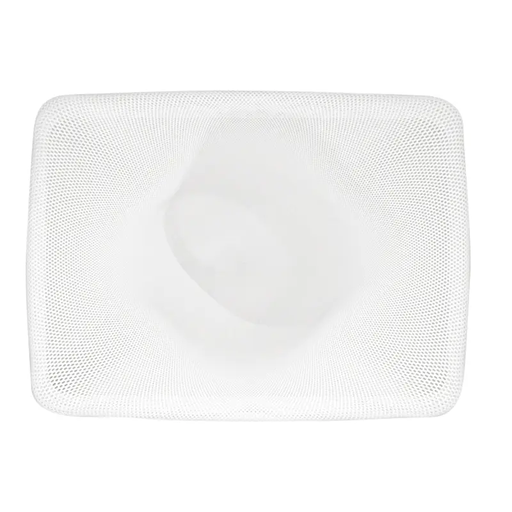
Why it suits this profile: Filter nets may appeal if you’re looking for a flexible solution for different kitchen routines. Check that they’re compatible with the size of your drain before use.
This flexible filter solution may be a good alternative to a rigid strainer. However, check the material, size and fitting beforehand, as the product description doesn’t provide full details.
Designed as a filter solution for different kitchen settings; check compatibility before buying.
We’ve put together a complete, regularly updated list of products that meet these strict selection criteria and fully comply with the safety regulations in force in the EU.
To keep a kitchen strainer that helps prevent blockages practical over time, remove it after washing up and clear away any food scraps. Fibrous foods, coffee grounds and greasy residue can quickly clog the openings.
You should also:
A drain strainer isn’t a substitute for regularly cleaning the trap. Its main purpose is to catch larger scraps at the sink opening.
The size depends on the drain opening. Measure the inner diameter, the rim support and the available height. A 7 cm sink strainer will only fit if these measurements match your drain.
For normal use, clean it after each heavy washing-up session or at least once a day. Restaurants and commercial kitchens may need to replace filters more often. The right frequency depends on how much food waste there is and how quickly water drains.
No. A sink filter mainly catches solid scraps. Liquids, grease and very small particles can still get into the drain. You’ll still need to clean the strainer and drainage system regularly.