
Lieferung heute & morgen

Qualitätsgarantie

Willkommens-Angebote freischalten: KOSTENLOSE Lieferung | Bis zu 80 % RABATT | Kostenlose 30-Tage-JoyPlus-Testphase
App herunterladen
The transition from a baby bottle to independent drinking is a major developmental milestone. A suitable sippy cup can make this process significantly easier for both child and parents. However, the market is flooded with models whose marketing claims often create more confusion than clarity. Many parents invest in products that prove to be impractical, difficult to clean, or leaky in daily use.
As your Joybuy Product Recommendation Officer, I'll help you identify the typical pitfalls and make an informed decision. We'll focus on the facts so you can find a product that is safe, practical, and appropriate for your child's developmental stage.
Before we look at recommended features, let's highlight the three most common issues that lead to frustration and unnecessary expense.
To avoid a bad purchase, you should focus on three objective core parameters. These will help you separate the wheat from the chaff.
The BPA-free label is a minimum standard for any baby bottle today. Pay additional attention to the material used. High-quality polypropylene (PP) and silicone are robust, durable, and generally dishwasher-safe. For parents looking for a plastic alternative, stainless steel models are a great option. They are particularly resilient and keep drinks cool or warm for longer. Always check the manufacturer's instructions for cleaning and temperature resistance.
The right top is crucial for learning success and healthy oral development.
A good sippy cup must be practical. Look for one that is easy to disassemble so that all parts—especially valves and seals—can be cleaned thoroughly. Dishwasher-safe compatibility saves valuable time. For on-the-go use, a protective cap to keep the spout clean and a reliably leak-proof system are essential. Also, check if the cup fits into standard stroller cup holders.
Based on the criteria mentioned, we have identified some products that are suitable for different needs and developmental stages.
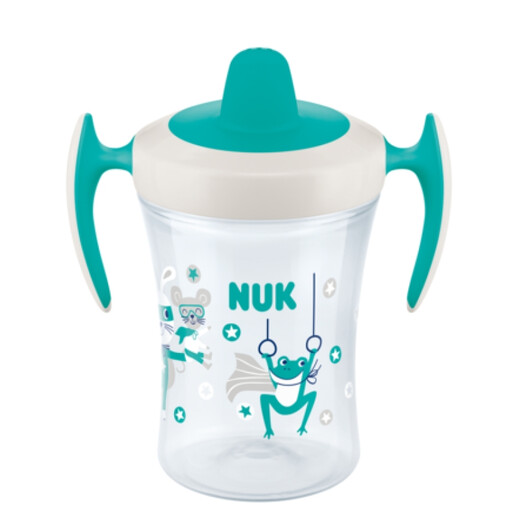
Why this model is a match: Ideal for the first drinking attempts after the bottle. The soft spout is gentle on gums, and the ergonomic handles are perfect for little hands to practice holding the cup independently.
Avoids the hygiene trap with a simple design. The cup is easy to break down into its few parts and is dishwasher-safe according to the manufacturer, making cleaning straightforward.
The combination of a soft spout and an easy-to-grip shape specifically supports motor skill development during the transition phase.
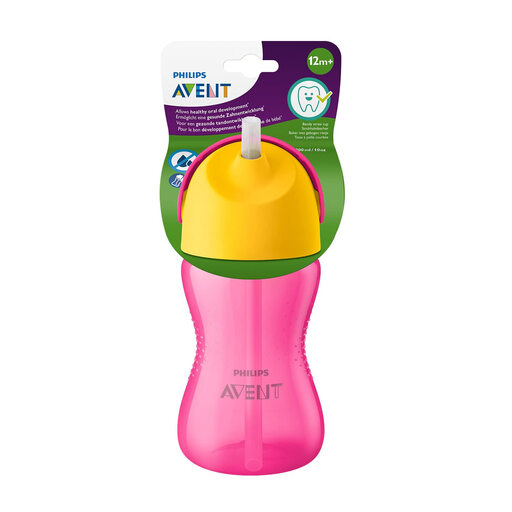
Why this model is a match: Designed for portability. The flip-top lid keeps the straw hygienic, and the integrated valve makes it a reliable companion in the diaper bag or stroller.
Addresses the problem of false leak-proof promises. According to the manufacturer, the integrated anti-leak valve specifically prevents spills during movement, which is crucial in daily life with toddlers.
The bent straw allows the child to reach the liquid down to the last drop, which prevents frustration and encourages fluid intake.
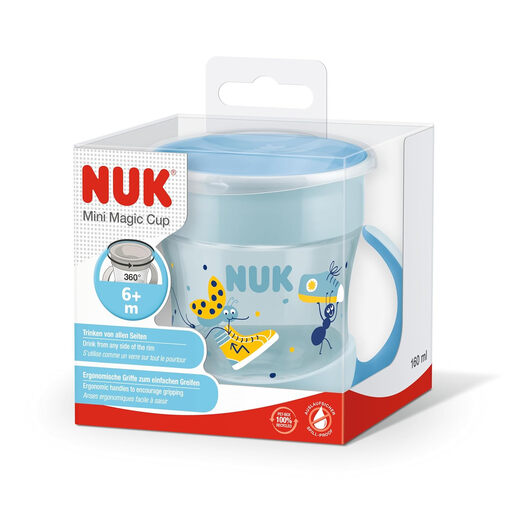
Why this model is a match: The 360° drinking edge simulates drinking from an open cup without spills. This promotes motor skill development and optimally prepares the child for the next step.
Solves the problem of cups that don't encourage development. This model is a targeted training tool that actively supports the transition to a regular cup, rather than just being a leak-proof container.
The 360° drinking edge, combined with the silicone sealing disc, offers a cup-like drinking experience while remaining leak-proof, which boosts the child's confidence.
We have compiled a complete, up-to-date list of products that meet these strict selection criteria and safety requirements.
A sippy cup is generally useful from 6 months onwards, as soon as your child starts eating solid foods, can sit up independently, and shows an interest in grasping objects. Start with a model that has a soft spout and handles to make the transition as smooth as possible.
For hygienic cleaning, you should completely disassemble the cup into its individual parts after each use. Clean all components, especially valves, seals, and straws, with warm water, dish soap, and a small brush. Pay attention to the manufacturer's instructions regarding dishwasher safety. Let all parts air-dry completely before reassembling the cup.
Yes, stainless steel cups like the Kikka boo Mini Bottle are an excellent alternative. They are robust, durable, and naturally BPA-free. Another advantage is that they often keep drinks cool for longer. They can be slightly heavier than plastic models, which should be considered when choosing one for very young children.