
Lieferung heute & morgen

Qualitätsgarantie
App herunterladen
Kategorien
A size 5 football is the official match ball size for adults and youths aged 12 and over. With a circumference of 68 to 70 cm and a weight between 410 and 450 grams, it is the standard for both amateur and professional play. However, selecting the right model depends on specific technical criteria that go beyond mere size and weight. Factors such as the outer casing material, the construction method, and the bladder composition are crucial in determining the ball's performance characteristics, durability, and suitability for different weather conditions and surfaces. This guide analyses the key technical parameters for choosing the right training or recreational football.
The decision to purchase a size 5 football should be based on an analysis of its construction features. These features define its performance and longevity.
The ball's outermost layer directly influences its touch, abrasion resistance, and water absorption.
How the individual panels are joined is crucial for the ball's shape retention and water resistance.
The bladder inside the ball is responsible for retaining air pressure. Butyl bladders are known for their very low air permeability. This means the ball maintains its pressure for a longer period and requires less frequent inflation. While latex bladders offer a livelier bounce and flight, they lose air more quickly. For an adults' football used for training and recreation, a butyl bladder is often the more practical choice due to its low-maintenance nature.
Based on the technical criteria mentioned, here is a selection of models that are suited for different use cases due to their specific construction features.
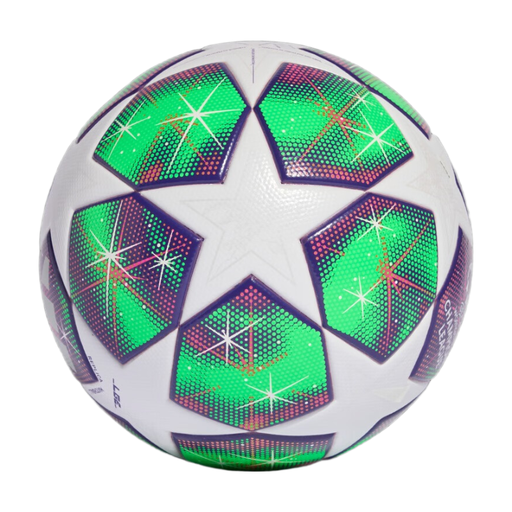
Why we recommend this product: This model from adidas features a seamless surface made of 100% recycled thermoplastic polyurethane. The thermally bonded construction minimises water absorption and ensures a precise trajectory and a consistent touch. Its FIFA Quality certification confirms that the ball has passed tests for weight, circumference, roundness, and rebound.
Pros:
Who it's for: This model is aimed at amateur footballers and clubs looking for a performance-oriented training ball with consistent playing characteristics that closely match the specifications of official match balls.
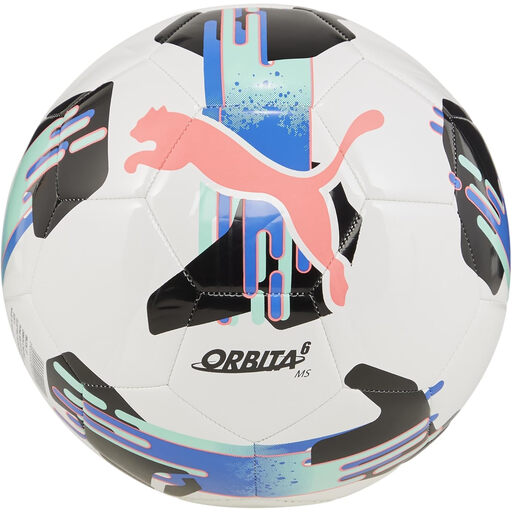
Why we recommend this product: The PUMA Orbita 6 MS is designed as a classic training ball. Its machine-stitched, 32-panel construction ensures good shape retention. The durable TPU outer casing is built for longevity and is suitable for use in various weather conditions. The EVA foam layer beneath the surface enhances ball feel and control.
Pros:
Who it's for: Ideal for regular club training sessions, school sports, or recreational players who need a reliable and durable football for repeated use.
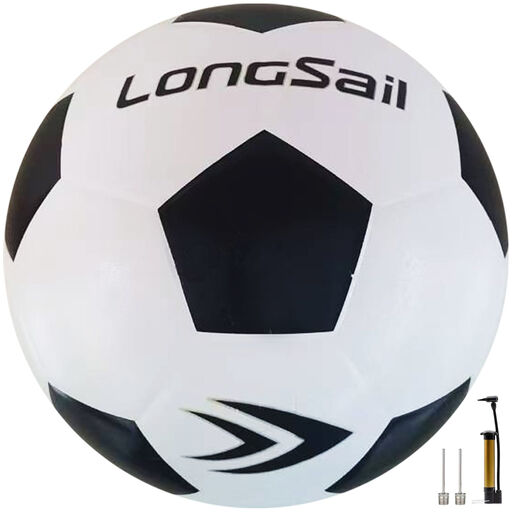
Why we recommend this product: This model from LONGSAIL stands out with its seamless foam rubber construction. This material makes the ball completely waterproof, so it neither absorbs water nor becomes heavier in wet conditions. According to the manufacturer, a double-layer valve ensures high air pressure stability. The ball is delivered as a complete set with a pump, needle, and mesh bag.
Pros:
Who it's for: This all-weather football is an excellent choice for casual players and families looking for an extremely durable ball for use in all conditions, including on wet grass or at the beach. The included accessories make it a convenient option for anyone who wants to start playing right away.
If these models don't include the perfect option for your specific needs, or if you are looking for other accessories like ball pumps or goalkeeper gloves, you can find a wider selection in our Sports Football category. The range includes balls for different performance levels and surfaces.
1. What does "size 5 football" mean? A size 5 football is the official standard size for adult football and for youths aged 12 and up. It has a regulated circumference of 68–70 cm and a weight of 410–450 g. This size is used in all official leagues and competitions for these age groups.
2. How do you properly care for a football? To maximise a football's lifespan, it should be cleaned with a damp cloth after use to remove dirt. Store the ball at room temperature and avoid direct sunlight or extreme cold. The air pressure should be checked regularly and adjusted to the manufacturer's recommended value (often printed on the ball). Always use a moistened needle for inflation to avoid damaging the valve.
3. Which material is best for a durable football? For maximum longevity, especially with frequent use on various surfaces, balls with an outer casing made of Thermoplastic Polyurethane (TPU) or special rubber are a great choice. These materials are highly abrasion-resistant. A thermally bonded or hand-stitched construction also contributes to greater durability compared to a machine-stitched version.