
Lieferung heute & morgen

Qualitätsgarantie

Willkommens-Angebote freischalten: KOSTENLOSE Lieferung | Bis zu 80 % RABATT | Kostenlose 30-Tage-JoyPlus-Testphase
App herunterladen
Choosing a new size 5 football can be a challenge given the vast array of models, materials, and technologies available. Whether it's for weekly club training, a casual kickabout in the park, or as a gift for a football fan, the demands on a ball vary. This guide is designed to provide you with clear direction by explaining key purchasing criteria and showcasing a selection of models for different purposes. Our goal is to give you an objective foundation for your decision when you're looking to buy a football.
To find the right ball, a few technical features are crucial. The following points will help you better understand the differences between the models.
The way a football's panels are joined has a major impact on its durability and playing characteristics.
Not every ball is equally suited for every purpose.
The bladder inside the ball is responsible for air pressure retention.
Here, we present three models that cover different needs and applications.
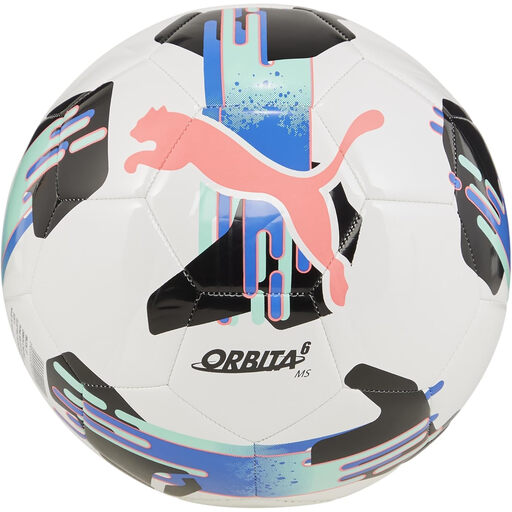
What Makes It Stand Out The PUMA Orbita 6 MS is a classic training ball designed for durability and reliable performance. Its machine-stitched 32-panel construction ensures good shape retention, while the robust TPU outer shell promises a long lifespan even with intensive use.
Advantages
Who Is It For? This model is an excellent choice for amateur players, coaches, and recreational athletes looking for a reliable and durable training ball for regular sessions without needing a premium budget.
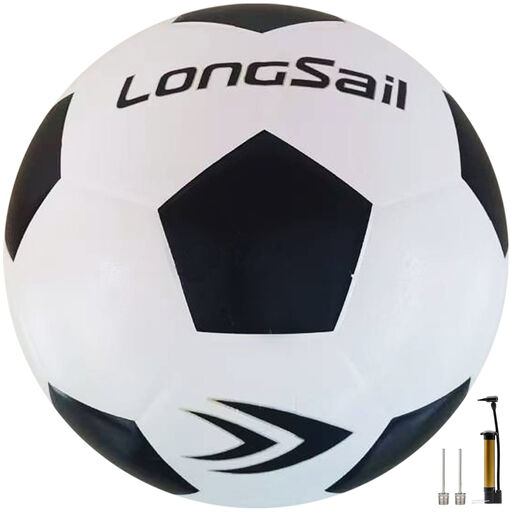
What Makes It Stand Out The standout feature of this ball is its seamless foam rubber construction. This makes it a completely waterproof football that doesn't absorb water, thus maintaining its weight and playing characteristics even in heavy rain. It also comes as a complete set, which includes a football with a pump, a needle, and a net bag.
Advantages
Who Is It For? Ideal for players and teams who frequently train in wet conditions or need a ball for various surfaces like grass, artificial turf, or even the beach. The all-in-one package also makes it appealing for beginners and parents looking for a ready-to-use solution.
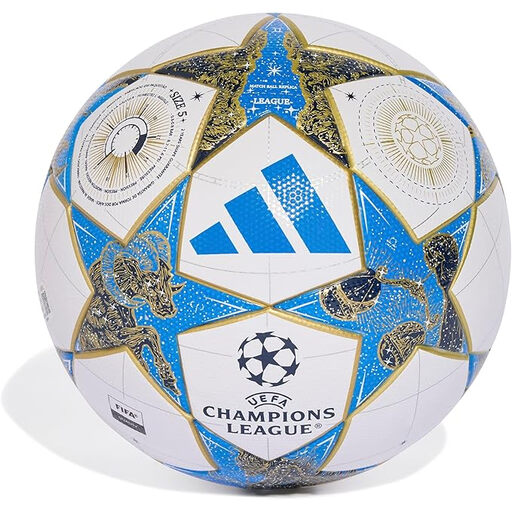
What Makes It Stand Out As a high-quality replica of the official UEFA Champions League 2025/2026 match ball, this ball features advanced technology. The seamless, thermally bonded construction (TSBE) minimises water uptake and ensures a precise trajectory. The integrated butyl bladder guarantees excellent air retention.
Advantages
Who Is It For? This match ball is aimed at ambitious club and recreational players, as well as fans who want a feel and performance that closely mimics the official match ball. It is an excellent choice for anyone who values technology and precise playing characteristics.
If the models presented here don't exactly meet your needs, or if you'd like a broader overview of balls for different age groups and purposes, you can find more alternatives in our category.
? Discover our full range of Football Equipment.
1. What exactly does "size 5 football" mean? Size 5 is the official, standardised ball size for adults and youths aged 12 and over. A size 5 ball has a circumference of approximately 68–70 cm and a weight of about 410–450 grams. These specifications are used in all official adult competitions.
2. How do I properly care for a football to extend its lifespan? After use, clean the ball with a damp cloth to remove dirt. Store it in a cool, dry place, avoiding direct sunlight or extreme temperatures. Do not sit or stand on the ball, as this can affect its shape. Lightly moisten the needle before inflating the ball to avoid damaging the valve.
3. Is a more expensive football automatically better? Not necessarily. The price of a football often reflects the materials and technologies used. An expensive, seamless football offers technological advantages in flight behaviour and water resistance, which are relevant in professional play. However, for regular training or casual kickabouts, a robust and more affordable training ball can be the more practical and durable choice. The decision depends on your individual needs and budget.