
Lieferung heute & morgen

Qualitätsgarantie

Willkommens-Angebote freischalten: KOSTENLOSE Lieferung | Bis zu 80 % RABATT | Kostenlose 30-Tage-JoyPlus-Testphase
App herunterladen
Whether for a skateboard, scooter, or inline skates, a proper helmet is essential. But the selection is vast, and not every helmet that looks good also provides the necessary protection and comfort. Many buyers only realise after a short time that their new helmet pinches, is poorly ventilated, or has inadequate adjustment options. Before you make a decision, it's important to know the typical pitfalls that often lead to a bad purchase.
Two common problems are an improper fit and a misunderstanding of material quality. A helmet advertised as "universal fit" but lacking a precise adjustment system can shift during a fall and lose its protective function. Equally crucial is the construction method, which is often lost in marketing jargon but has a direct impact on weight, durability, and safety.
To find a helmet that is not only safe but also comfortable and enjoyable to wear, you should focus on three core aspects. These objective parameters will help you separate the wheat from the chaff.
The most important criterion is safety. A helmet sold in the EU must meet specific standards. Always look for the EN 1078 certification. This European standard specifies the requirements and testing methods for helmets for cyclists and for users of skateboards and roller skates. A helmet with this certification has been tested for its shock absorption properties, its construction including the field of vision, and the features of its retention system (chin strap). The CE mark further confirms that the product complies with applicable EU regulations. A CE-certified helmet is therefore the basic requirement for any purchase.
A helmet can only protect if it fits correctly. It must be neither too loose nor too tight. To ensure a proper fit, measure the circumference of your head at its widest point, about one to two centimetres above your eyebrows and ears. Modern helmets offer precise adjustment options:
A skateboard helmet or a scooter helmet should sit low enough to protect the forehead but not so low that it obstructs your vision.
The manufacturing method has a major impact on the helmet's weight and stability.
Both construction methods can meet the EN 1078 standard. The choice depends on personal preferences regarding weight, ventilation, and budget. A helmet with ventilation is particularly crucial for active children and in warm weather to prevent heat build-up.
Based on these objective criteria, we have compiled a few models for different user profiles.
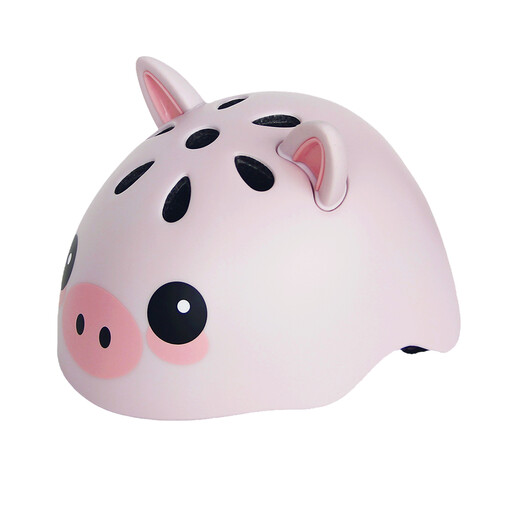
Why This Fits Their Persona: This kids' helmet combines safety with an appealing design. For parents whose children resist plain helmets, the playful animal design provides an incentive to wear the helmet willingly. It's suitable as a bike helmet for kids as well as an inline skate helmet.
It avoids the trap of being just a novelty item by combining a lightweight in-mould construction with an EN1078 certification. The dial-fit adjustment system ensures a secure fit, which is often missing in basic toy helmets.
The combination of a kid-friendly design and certified safety technology (in-mould, EN1078) promotes acceptance from the child without compromising on protection. 7 ventilation ports ensure comfort.
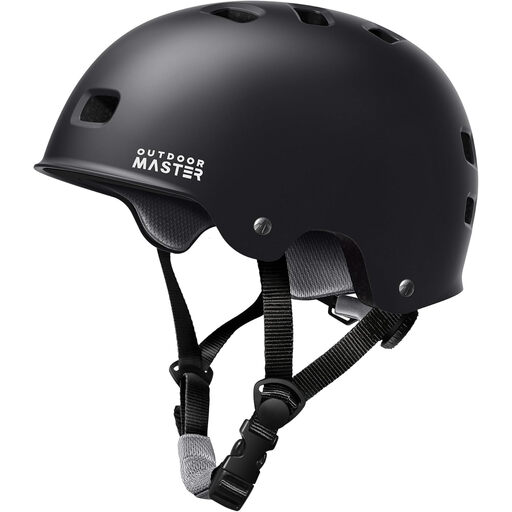
Why This Fits Their Persona: Ideal for teens and adults looking for a robust helmet for various sports like skateboarding, BMX, or scooter riding without a large budget. The classic skater design is timeless and versatile.
This helmet escapes the "one-size-fits-all" trap with a dual adjustment system: in addition to the dial at the back, it comes with two removable liners of different thicknesses. This allows for a highly customised and secure fit.
The reinforced ABS outer shell and thick EPS core offer high impact resistance. The removable and washable liners ensure hygiene and long-lasting comfort. A solid ventilation system completes the package.
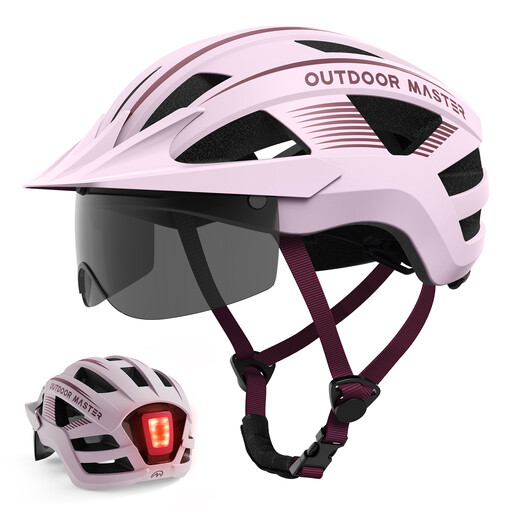
Why This Fits Their Persona: For adult riders of e-bikes, scooters, or bicycles in urban traffic who value additional safety and comfort features. This helmet integrates functions that go beyond simple impact protection and make daily use easier.
It goes beyond basic functions and addresses specific challenges of urban traffic. Instead of relying solely on passive safety, the integrated, rechargeable rear light increases active visibility at dusk and at night.
The combination of in-mould construction, 17 ventilation ports, a USB-C rechargeable rear light, and magnetically detachable goggles offers a comprehensive package for comfort and safety in urban environments.
We've compiled a complete, up-to-date list of products that fully meet these strict selection criteria and safety regulations.
A helmet should be replaced immediately after any significant impact, even if no external damage is visible. The internal EPS structure can become compressed and will no longer offer adequate protection. Regardless of falls, manufacturers recommend replacing a helmet every 3 to 5 years, as materials like plastic and foam can degrade over time due to UV radiation and environmental factors, losing their protective properties.
Use a flexible measuring tape. Place it horizontally around the widest part of your head, approximately one to two centimetres above your eyebrows and ears. The tape should be snug but not tight. Read the circumference in centimetres and compare it to the manufacturer's size chart. Many helmets cover a specific range (e.g., 54–58 cm).
Yes, as long as the helmet meets the EN 1078 standard. This standard applies equally to helmets for cycling, skateboarding, and roller skating. Classic skate helmets often have a rounder shape and extend further down the back of the head, which can be advantageous for backward falls that are more common in skating. However, a certified children's bike helmet or adult one still provides the basic, standard-compliant protection needed for skating.