
Lieferung heute & morgen

Qualitätsgarantie

Willkommens-Angebote freischalten: KOSTENLOSE Lieferung | Bis zu 80 % RABATT | Kostenlose 30-Tage-JoyPlus-Testphase
App herunterladen
Choosing the right ski gear can be a challenge given the vast array of technologies and products available. However, a well-selected setup is the foundation for both safety and enjoyment in winter sports. This guide serves as a reference, highlighting functional components based on proven standards and practical features. The goal is to help you make an informed decision for your next run, whether you're a skier or a snowboarder.
Before you decide on a complete ski gear package, it's wise to understand the function of each component. Three aspects are particularly important for comfort and safety on the slopes.
Safety should always come first. Modern ski helmets offer more than just protection from direct impacts. A ski helmet with MIPS (Multi-directional Impact Protection System) features a low-friction layer inside the helmet. This layer is designed to allow a slight rotation of the head relative to the helmet during an angled impact. The goal of this technology is to reduce the rotational forces that can be transferred to the brain. When choosing, look for recognised safety certifications like CE EN 1077 (European standard) and ASTM F2040 (US standard) to ensure the helmet meets fundamental safety requirements.
Weather conditions in the mountains can change rapidly. Ski goggles with interchangeable lenses offer the flexibility needed to adapt to varying light conditions. Magnetic interchange systems allow you to swap lenses in seconds without having to take the goggles off. This means you can use a dark, high-glare-protection lens in bright sunshine and a contrast-enhancing lens for flat light during snowfall or fog. Good ventilation and a high-quality anti-fog coating are also crucial for maintaining clear vision.
Cold, wet hands can quickly ruin a day on the slopes. Keeping high-quality ski gloves waterproof is one of the primary tasks for manufacturers. This is often achieved with an integrated TPU membrane (Thermoplastic Polyurethane), which acts as a barrier against external moisture while allowing sweat to escape. For thermal insulation, materials like 3M Thinsulate are used, offering high thermal performance even with minimal bulk. Reinforcements on the palms and fingers, for example made of Kevlar, increase abrasion resistance and durability, especially when handling ski edges or lifts.
Based on the criteria above, we have curated a selection of products from the OutdoorMaster brand that stand out for their functional features and excellent value. These components are suitable for both ski and snowboard setups.
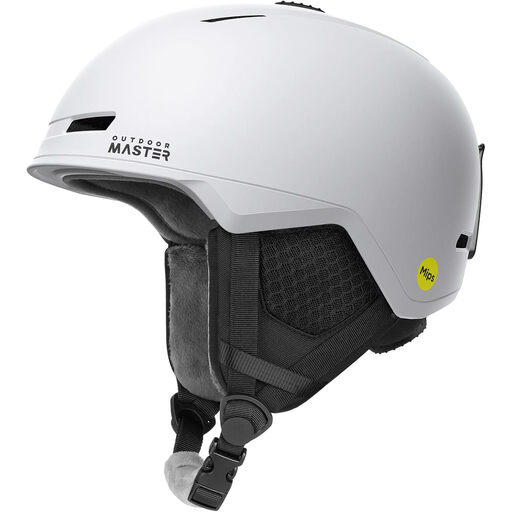
Why it stands out: This helmet combines MIPS technology with a robust polycarbonate shell and a shock-absorbing EPS liner. It is certified to ASTM F2040 and CE EN 1077 standards. The ventilation system, with eight vents, is adjustable to customise airflow based on temperature and exertion.
Benefits:
Who it's for: For skiers and snowboarders seeking a certified helmet with advanced safety features and superior comfort.
View Details for the OutdoorMaster Diamond II MIPS Helmet

Why they stand out: The core feature of these goggles is the MagKlick system, which enables an extremely fast, magnetic lens change. The bundle includes two lenses for different light conditions. The toric lens shape provides an extra-wide field of view, while UCT (Ultra-Chroma Transmittance) technology enhances contrast.
Benefits:
Who they're for: For riders who need maximum flexibility in changing weather conditions and a wide, clear field of view, including those who wear glasses.
View Details for the OutdoorMaster ULTRA Goggle Bundle
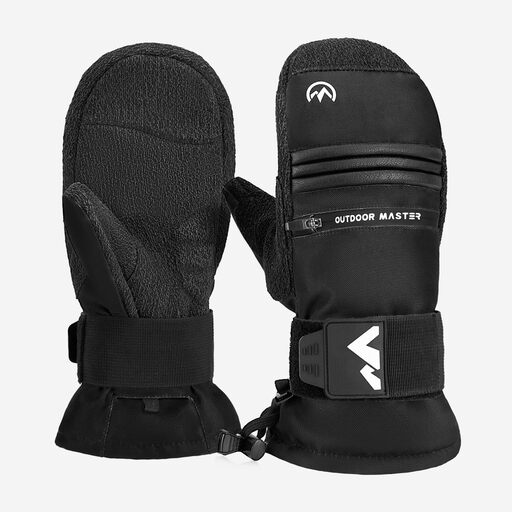
Why they stand out: These mittens feature a smart combination of materials: 3M Thinsulate insulation provides reliable warmth, while a waterproof TPU inner membrane keeps hands dry. The palms are reinforced with Kevlar, offering high abrasion and cut resistance against ski edges or rough surfaces.
Benefits:
Who they're for: For winter sports enthusiasts looking for very warm, robust, and waterproof mittens for demanding conditions, without sacrificing practical details like touchscreen functionality.
View Details for the OutdoorMaster KEVLAR Mittens
A complete gear setup includes more than just a helmet, goggles, and gloves. The right footwear for the walk to the slopes and for time spent off-piste is also crucial for a successful winter holiday. Sturdy and weatherproof shoes ensure a secure grip and warm feet.
Discover our selection of rugged Outdoor Footwear suitable for winter conditions.
A basic ski equipment setup consists of skis (or a snowboard), bindings, and ski boots. This is complemented by ski poles (for skiing). Essential winter sports accessories include a ski helmet, ski goggles, ski gloves, and functional ski apparel (jacket, pants, base layers).
A ski helmet with MIPS is designed to offer additional protection during impacts that involve rotational motion. While any certified helmet provides baseline protection, MIPS technology specifically addresses the rotational forces that can occur in many skiing and snowboarding falls. It is an added safety feature valued by many riders.
Yes, this is possible with specific types of ski goggles. Look for the "OTG" (Over-The-Glasses) designation. These models are more spacious inside and have cutouts in the foam on the sides to accommodate the arms of prescription glasses without causing pressure points. The OutdoorMaster ULTRA Goggles featured here are such an OTG model.