
Lieferung heute & morgen

Qualitätsgarantie

Willkommens-Angebote freischalten: KOSTENLOSE Lieferung | Bis zu 80 % RABATT | Kostenlose 30-Tage-JoyPlus-Testphase
App herunterladen
A skin barrier cream is designed to hydrate dry, tight or sensitive skin and support the skin’s natural protective function. However, not every formula marketed as a “Barrier Repair Cream” will suit every skin type. The key factors are the ingredients, texture, application and how well the product fits into your individual skincare routine.
Terms such as “Repair”, “Regeneration” or “intensive hydration” initially describe a product’s positioning rather than guaranteeing a particular effect. The INCI list is more informative. Glycerin, hyaluronic acid, squalane, panthenol, ceramides and skin-identical lipids are understandable ingredients for hydrating and barrier-supporting skincare.
The order also matters: ingredients listed near the top are generally present in higher amounts than those at the end of the list. Concentration figures should only be taken into account when they are clearly stated by the manufacturer.
Very dry skin may benefit from a lipid-rich texture. However, a heavy cream can feel uncomfortable on combination or oily skin, or in warm indoor air. A lightweight gel cream containing humectants may be more suitable for everyday use, while a richer moisturiser may be better for dry areas or an evening routine.
Fragrances, essential oils, certain plant extracts or active ingredients can cause reactions in some people. A product marketed as gentle is therefore not automatically suitable for every irritated complexion. Before applying it over a larger area for the first time, a patch test on a small area of skin is recommended. If redness, itching or burning persists, stop using the product and seek medical advice if necessary.
For a ceramide cream, ceramides such as Ceramide NP, AP or EOP are relevant ingredients. Cholesterol, phytosphingosine and hydrogenated lecithins are also commonly used in formulas designed to reflect the skin’s lipid components.
A panthenol cream may also be worth considering if you are looking for hydrating and soothing skincare. Panthenol, glycerin and hyaluronic acid perform different roles in a cosmetic formula: they help bind water and keep the skin supple. A cream can support your daily skincare routine, but it does not replace medical treatment.
Check whether the product description refers to a gel cream, classic cream, ointment or balm. For a moisturiser for dry skin, richer ingredients such as shea butter, oils, waxes or dimethicone are often relevant. In a lightweight, non-greasy facial moisturiser, glycerin, hyaluronic acid and lighter emollients may instead take centre stage.
The stated pack size also helps with price comparisons. 40 or 50 ml is usually suitable for facial skincare; larger sizes may be more practical for regular use on the body, hands or particularly dry areas.
A skin barrier cream is usually applied as the final or penultimate step after cleansing, toner or serum. In the morning, sunscreen should be applied afterwards. Also check:
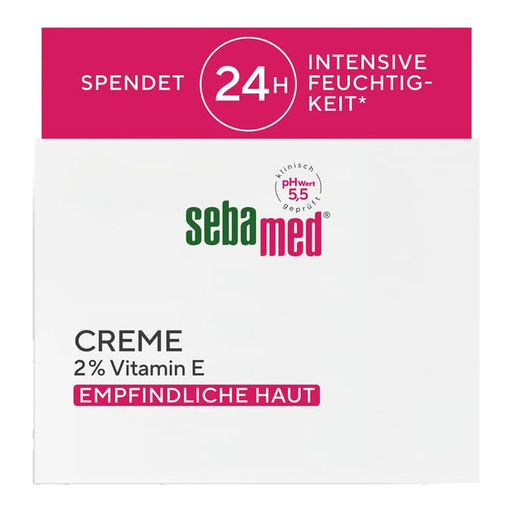
Why this product suits this profile: This 75 ml facial cream is designed for daily skincare and states a pH value of 5.5. It may be a straightforward option for people looking for a classic cream for sensitive skin.
The details about pH value, quantity and ingredients make it easier to assess the product. However, the formula contains fragrance, which should be considered before buying if you have very reactive skin.
75 ml content; glycerin and a vitamin E derivative listed in the INCI list; intended for the face, neck and décolletage.
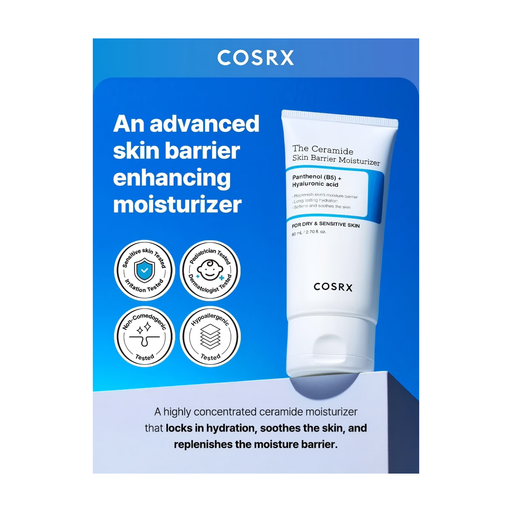
Why this product suits this profile: This Korean skincare product combines several ceramides with cholesterol, phytosphingosine, panthenol, squalane and various hyaluronic acid derivatives. Its composition is therefore clearly focused on hydration and lipid care.
Rather than relying solely on the term Barrier Repair, you can assess the formula based on specific ceramides and skin-identical lipids.
80 ml content; Ceramide NP, NS, AP, AS and EOP listed; also contains panthenol and cholesterol.
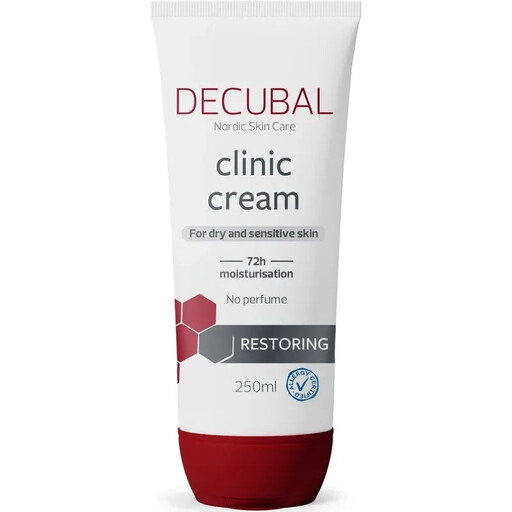
Why this product suits this profile: The large 250 g pack is appealing to frequent users who want to care for dry skin on several areas of the body. According to the product description, the cream contains 38% lipids and is free from perfume and colourants.
The precise lipid content and the absence of perfume and colourants make the choice more transparent than general claims about “intensive care”.
250 g content; glycerin, lanolin and dimethicone; suitable for the face and body according to the product information.
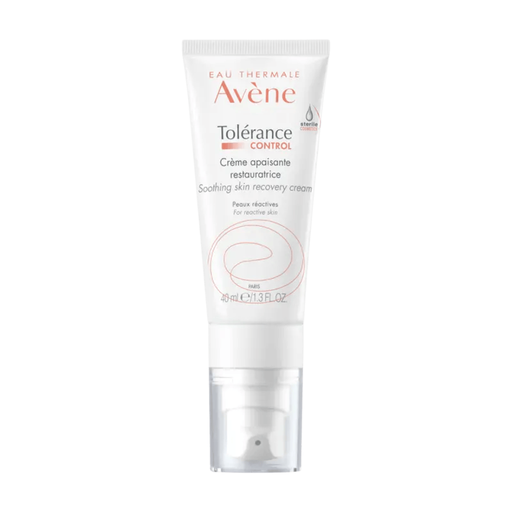
Why this product suits this profile: The product information states that the formula is free from perfume and preservatives and comes in airtight packaging. This may be relevant for people who prefer to keep their skincare routine deliberately simple.
The reduced formula avoids several common sources of fragrance. Nevertheless, a patch test is still advisable, as individual reactions cannot be ruled out.
40 ml content; stated to be free from perfume and preservatives; intended for use on cleansed, dry skin.
We have put together a complete, regularly updated list of products that fully meet these strict selection criteria and the safety regulations applicable in the EU.
Apply the cream after gentle cleansing to slightly damp or completely dry skin. A small amount is often enough for the face; dry areas can be treated with additional product as needed. When starting a new routine, avoid introducing several new products at the same time. This makes it easier to identify which product your skin tolerates.
With products containing retinol, essential oils or other active ingredients, it is particularly important to introduce them gradually. A retinol cream such as The Retinol 0.1 Cream is not a classic basic cream for irritated skin and should not be combined uncritically with a sensitive skin barrier.
For dry skin, richer formulas containing glycerin, ceramides, squalane, shea butter or other lipids are usually worth considering. Personal compatibility and your preferred texture are the key factors. For very dry areas of the body, a larger, lipid-rich balm may be more practical than a lightweight facial cream.
According to the manufacturer, many products are intended for daily use in the morning and evening. Nevertheless, check the specific product description. In the morning, a suitable sunscreen should also be part of your skincare routine, especially when using additional active ingredients.
The best-before date printed on the packaging and the PAO symbol are the deciding factors, for example “12M” to indicate twelve months after opening. Keep the cream tightly closed, dry and protected from direct sunlight. If its smell, colour or consistency changes noticeably, it should no longer be used.