
Lieferung heute & morgen

Qualitätsgarantie

Willkommens-Angebote freischalten: KOSTENLOSE Lieferung | Bis zu 80 % RABATT | Kostenlose 30-Tage-JoyPlus-Testphase
App herunterladen
A skin barrier cream is designed to hydrate dry, tight or sensitive skin and support the skin’s natural protective function. However, choosing the right one isn’t always straightforward: packaging often features terms like “Repair”, “Soothing” or “Barrier Cream”, which alone don’t tell you whether the product is actually suitable for your skin type.
Before you buy, it’s worth taking a closer look at the ingredients, texture, application and skin tolerance. This way, you can avoid a cream that’s too rich, irritating or unsuitable for daily facial care.
A long INCI list can contain many interesting components, but it isn’t automatically a mark of quality. For sensitive skin, numerous plant extracts, fragrances or essential oils can make tolerance more difficult. If you’re looking for a soothing face cream, you should therefore check the full ingredient list and, if you know you’re sensitive, watch out for potential triggers.
A very oil-rich cream can feel pleasant on dry skin, but may feel heavy on combination or blemish-prone skin. For these skin types, lighter gel-cream textures or products labelled as non-comedogenic are often more practical. However, such a label is always product-specific and should be checked on the packaging.
The terms repairing the skin barrier or “Barrier Repair” usually describe the skincare goal of supplying the skin with moisture and skin-like lipids. A cosmetic cream does not replace a dermatological examination. If you have persistent redness, weeping areas, severe itching or open patches of skin, the cause should be investigated by a doctor.
Ceramides are skin-like lipids and are often used in a ceramide cream. They can be part of a care formula that supports the skin barrier. Panthenol is also frequently used in a panthenol cream and is found in many care products for dry or sensitive skin.
In addition, humectants such as glycerin, hyaluronic acid, betaine or propylene glycol are important. They help to bind water in the upper layer of the skin. A well-balanced formulation often combines these humectants with nourishing oils, fatty alcohols or silicones.
For sensitive skin, products without perfume can be a sensible choice. However, “hypoallergenic” is no guarantee that every person will tolerate the product. Even with a moisturiser for sensitive skin, it’s advisable to do a patch test on a small area of skin.
Statements like “dermatologically tested” should be understood as a product feature. They do not automatically prove a therapeutic effect. When it comes to brand claims about studies, pay attention to the exact wording and the area of application. According to a clinical study by Anua, the corresponding product variant showed an improvement in skin hydration after two weeks; the specific product packaging and current manufacturer information are decisive.
A 40 ml tube is ideal for facial care on the go, while 80 to 100 ml often lasts longer for regular use. A 200 ml pack can be useful if you want to care for both face and body.
For your routine, the general rule is: cleanse gently, apply a serum if desired, and use the skin barrier cream as the final step. In the morning, follow with a sunscreen. New products should not be introduced at the same time as several acids, retinoids or strong exfoliating products.
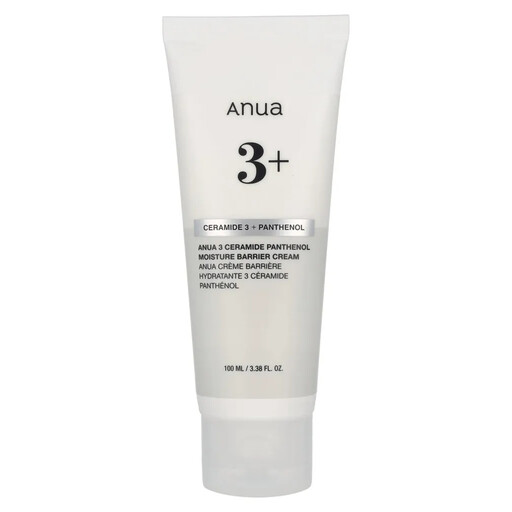
Why this product fits the profile: The combination of ceramides, panthenol, glycerin and hyaluronic acid makes it a clearly structured daily facial care option for dry, normal and sensitive skin.
The product description mentions a light, non-sticky texture and daily use. The ingredient list should be checked against the packaging before purchase.
100 ml content, Ceramides NP/AP/EOP, Panthenol as well as Centella asiatica and Squalane according to the product description.
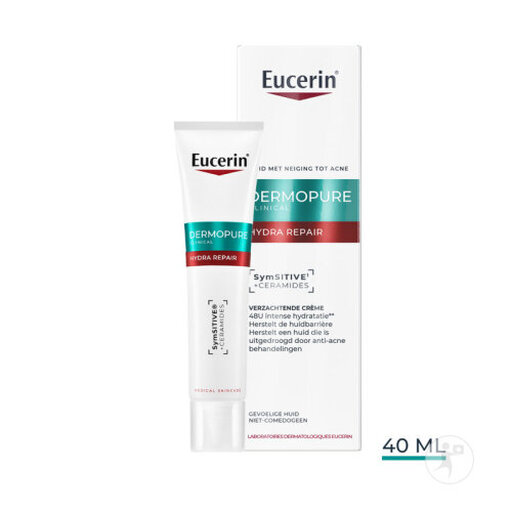
Why this product fits the profile: The fragrance-free and hypoallergenic formulation is aimed, according to the product description, at sensitive, blemish-prone skin as well as skin stressed by drying acne treatments.
The formula contains Ceramide NP and Panthenol according to the description and is free from fragrances. This can make selection easier for users who want to avoid unnecessary fragrance components.
40 ml tube, fragrance-free, with glycerin, squalane, panthenol and Ceramide NP according to the product description.
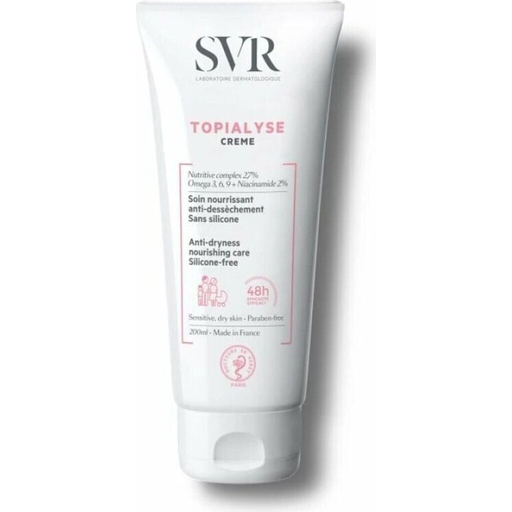
Why this product fits the profile: The 200 ml size is practical for regular use on both face and body when you’re looking for a single care product for dry, sensitive areas.
The product description mentions a rich care formula with a 27% emollient phase. For oily or blemish-prone facial skin, the texture should first be tested on a small area.
200 ml content, with shea butter, glycerin and plant oils; according to the product description, suitable for babies from birth, children and adults.
We’ve put together a complete, regularly updated list of products that fully meet these strict selection criteria and the safety regulations in force in the EU.
Before using a product on a large area for the first time, apply a small amount to an inconspicuous spot. If burning, itching, swelling or persistent redness occurs, stop using it. Products should only be applied to intact skin, unless the packaging states otherwise.
With a cream for redness, it’s also important to distinguish whether it simply provides an optical correction or is formulated as a classic care product. A green-tinted cream can temporarily mask visible redness, but it doesn’t replace a moisturising barrier care product.
That depends on the product instructions and how your skin feels. Many creams are applied morning and evening after cleansing. For very dry skin, an additional application on certain areas may be useful. A thin layer is enough to start with.
Lightweight, fast-absorbing formulations that are explicitly described as non-comedogenic can be more practical. Ceramides, glycerin and panthenol are possible ingredients. Rich oils, fragrances or exfoliating ingredients should be assessed individually for sensitive, blemish-prone skin.
The key factors are the jar-open symbol, the best-before date and the instructions on the packaging. Changes in smell, colour or consistency may indicate that the product quality is no longer optimal. Store it in a cool, dry place away from direct sunlight.