
Lieferung heute & morgen

Qualitätsgarantie

Willkommens-Angebote freischalten: KOSTENLOSE Lieferung | Bis zu 80 % RABATT | Kostenlose 30-Tage-JoyPlus-Testphase
App herunterladen
Dry facial skin, tightness or an uncomfortable burning sensation after cleansing often lead people to look for a suitable skin barrier cream. But there’s plenty of choice: creams, lotions, serums and Korean skincare products all promise ceramides, panthenol or “barrier repair”. Not every product is right for every skin type or personal skincare routine.
Terms such as “intensive repair”, “long-lasting hydration” or “protection from environmental stressors” often come from product descriptions. They don’t guarantee that a product will suit your skin. The INCI list, texture, amount of product and how you use it are more useful things to consider.
For example, a ceramide cream may contain ceramides but also include fragrance or alcohol. This may be acceptable for resilient, dry skin, but if your skin is sensitive, it’s worth checking the ingredients more closely.
A very rich cream may feel uncomfortable during the day or sit poorly under sunscreen and make-up. A light lotion, on the other hand, may not be enough on its own for very dry skin. The key is to check whether the product is intended as a moisturiser for dry skin, a serum or a final layer of skincare.
If you change your cleanser, toner, serum and cream all at the same time, it can be difficult to tell which product has caused a reaction. If your skin is sensitive or irritated, it’s best to introduce products gradually. Before applying a new product over a larger area, it’s a good idea to test it on a small patch of skin.
Ceramides are part of the skin’s protective barrier and are used in many products designed for daily barrier care. The INCI list may include Ceramide NP, AP, NS, AS or EOP. Some formulas combine them with cholesterol, phytosphingosine or lecithin.
Ingredients such as glycerin, hyaluronic acid, panthenol, beta-glucan or squalane can also help with hydration. They work in different ways: humectants bind water, while oils, silicones and lipids can round out a skincare formula.
A facial cream for sensitive skin should ideally have a straightforward formula. Fragrance ingredients listed on the product, such as Parfum, Limonene, Linalool or Geraniol, may be worth noting for some people. Alcohol can also appear higher or lower on the ingredients list, depending on the formula.
That doesn’t automatically mean a product is unsuitable. How your skin responds is what matters. If you have an existing skin condition, broken skin or persistent irritation, cosmetic skincare shouldn’t be seen as a substitute for advice from a dermatologist.
A skin barrier cream is usually applied after cleansing and any lighter skincare products. Serums generally go on before cream. If you’ll be spending a long time in the sun, use a suitable sunscreen as well in the morning.
It’s also worth checking:
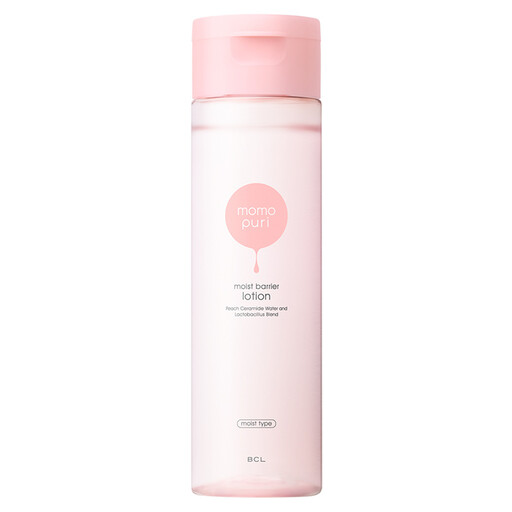
Why this product suits this profile: This 200 ml lotion may appeal if you’re looking for a lighter moisturiser that’s easy to use generously as part of your daily routine. According to the product information, it contains Ceramides AP, NG and NP, as well as glycerin and sodium hyaluronate.
Use the lotion as a standalone hydrating step or layer it under a richer cream. That way, you don’t have to choose a heavy texture by default.
200 ml; several ceramides listed in the INCI; designed for morning and evening use.
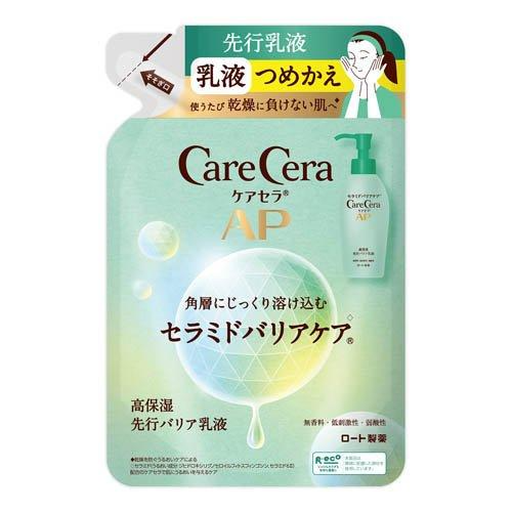
Why this product suits this profile: This refill may appeal if you use the lotion regularly. According to the product information, it is fragrance-free, paraben-free and alcohol-free, and contains several specified ceramide types.
If you use it regularly, the refill size can help reduce unnecessary packaging changes. You can check the formula against the INCI list before buying.
130 ml refill; eight ceramide types according to the product information; mildly acidic formula according to the description.
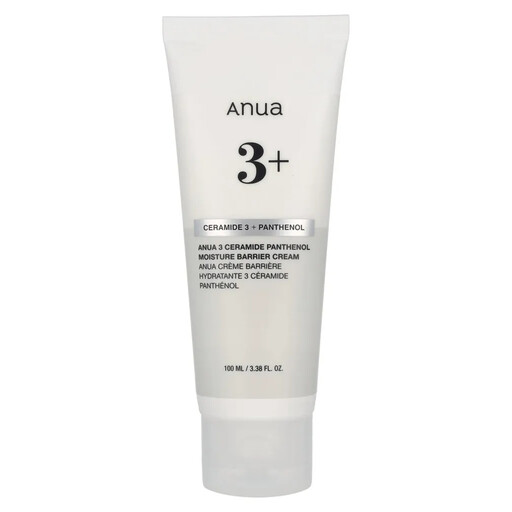
Why this product suits this profile: According to the product information, this Korean cream combines three types of ceramide with panthenol, Centella asiatica extract, hyaluronic acid and squalane.
The product information lists the ingredients and recommends using the cream as the final step in your routine. This makes it easier to see how it could fit into your existing K-beauty routine.
100 ml; Ceramides NP, AP and EOP listed in the INCI; contains panthenol and Centella asiatica extract.
We’ve put together a complete, regularly updated list of products that meet these strict selection criteria and fully comply with the safety regulations in force in the EU.
Start with a gentle cleanser, then apply a serum or lotion if needed. The skin barrier cream is usually the final step in your skincare routine. If your skin is dry, a slightly richer layer in the evening may be helpful; if you have combination skin, a smaller amount or a lighter lotion may be enough.
Introduce new products one at a time. Stop using a product if you experience redness, itching or burning. Product information can change, so check the packaging before buying and using it.
A cream containing ceramides, glycerin, panthenol, squalane or other lipids may be a good choice. The texture should be rich enough without feeling uncomfortable in everyday use. If your skin is very dry, a cream may be more suitable than a lightweight serum on its own.
Many products are intended for morning and evening use, according to their directions. However, what matters is how your skin feels, how well it tolerates the product and what else is in your routine. A thin, even layer is usually enough; using more won’t necessarily make it work better.
Check the best-before date and the period-after-opening symbol on the packaging. Store the product as directed by the manufacturer, close it after use and look out for changes in its smell, colour or consistency.