
Lieferung heute & morgen

Qualitätsgarantie

Willkommens-Angebote freischalten: KOSTENLOSE Lieferung | Bis zu 80 % RABATT | Kostenlose 30-Tage-JoyPlus-Testphase
App herunterladen
Dry, tight or easily irritated skin doesn’t automatically need the richest cream you can find. What really counts is whether the skin barrier cream suits your skin type, your skincare routine and your personal tolerance. Terms like “Barrier Repair Cream”, “soothing” or “Ceramide Cream” often describe a product’s positioning, but on their own they say very little about the actual formulation.
“Strengthen the skin barrier” and “24 or 48 hours of hydration” sound clear-cut, but depending on the manufacturer they can refer to different testing methods or usage scenarios. That’s why you should check the INCI list, the product size and the specific usage instructions. A claimed benefit isn’t automatically relevant for every skin type.
A cream for dry skin can contain oils, waxes or butters, which can feel pleasantly protective. For combination or oily skin, however, such a texture can feel heavy. For everyday use, a lighter moisturiser for sensitive skin is often more practical, while a balm is better suited to dry patches or as a final step in your routine.
Propolis, honey, plant extracts and essential oils can be part of a Korean skincare routine. People with known allergies or particularly reactive skin should still introduce new products carefully. A patch test on a small area of skin can help you assess your individual tolerance. If redness, itching or burning persists, stop using the product and seek medical advice if necessary.
Ceramides, cholesterol and skin-identical lipids are often used in a ceramide cream. They are ingredients that are used in cosmetic formulations to care for the skin’s surface and reduce moisture loss. Glycerin, panthenol, hyaluronic acid and squalane, on the other hand, are among the common humectants or nourishing ingredients.
Don’t just focus on the number of active ingredients; look at the whole formulation. A long INCI list is not a reliable sign of quality. For sensitive skin, formulas without artificial fragrances or with a limited number of potentially irritating ingredients can be a sensible choice.
A soothing face cream should spread evenly and fit into your routine. Light gel creams are often suitable for the morning, under sunscreen or for combination skin. Rich creams and balms are more interesting for dry skin, the colder months or particularly dry areas of the face.
Also pay attention to the usage instructions: most products are applied after cleansing and, if applicable, after toner or serum. A small amount is often enough for the whole face; dry areas can then be targeted for extra care.
Compare the contents in millilitres or grams, not just the price of the packaging. A 30 ml product may be intended for targeted care, while 80 or 100 ml is better suited for daily use. Before ordering, also check the current packaging, the best-before date or the shelf life after opening, as well as the current ingredient list.
For products containing bee-derived ingredients such as propolis, honey or beeswax, extra caution is needed if you have known allergies. Cosmetic products are not intended for the treatment of skin diseases or open wounds.
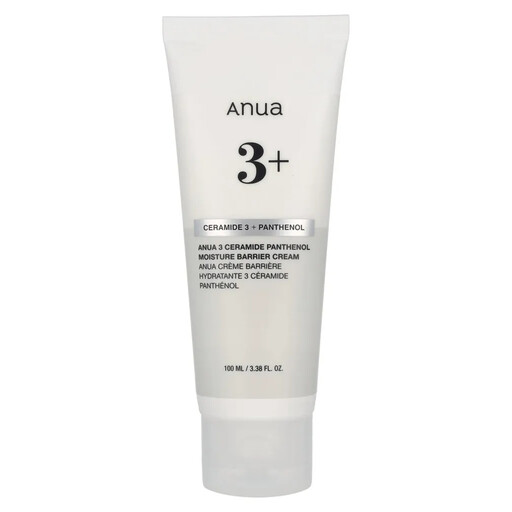
Why this product fits the profile: The 100 ml size is suitable for a daily face and neck routine. Ceramides, panthenol, glycerin and hyaluronic acid are listed in the stated formulation.
The product information names three ceramide types and panthenol instead of relying solely on general hydration claims. The light, non-sticky texture is designed for regular use.
100 ml content; ceramides, panthenol, Centella asiatica and hyaluronic acid according to the stated INCI list.
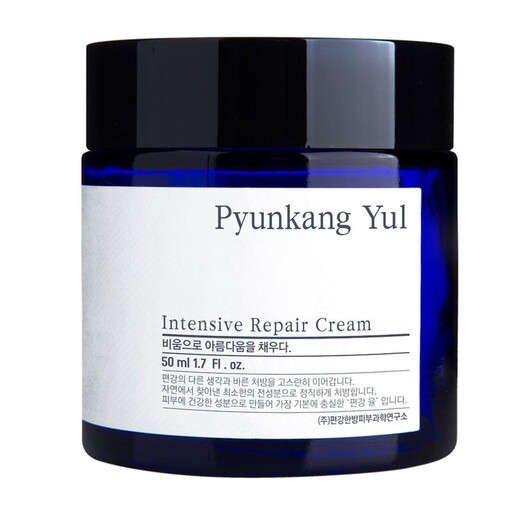
Why this product fits the profile: According to the product description, this richer care product is aimed at dry skin. Ceramides, shea butter and macadamia oil make it interesting for an evening routine or dry areas of the face.
The texture is explicitly described as light, even though nourishing oils and shea butter are included. This allows you to make your choice based on skin feel rather than marketing claims.
50 ml content; ceramide NP, shea butter and macadamia oil according to the stated formulation.
We have put together a complete, regularly updated list of products that fully meet these strict selection criteria and the safety regulations in force in the EU.
For very dry skin, a second thin layer on individual areas can be helpful. However, a cream should not be applied to open, injured or severely inflamed skin if the manufacturer advises against it.
That depends on the formulation and how your skin feels. Many face creams are used morning and evening after cleansing. With a rich cream, a single application in the evening may be enough. The instructions on the packaging and your individual tolerance are the key factors.
Refer to the symbol for shelf life after opening, often shown as an open jar with a number of months. Close the packaging after each use and store it in a dry, cool place away from direct sunlight. If the smell, colour or consistency changes, the product should no longer be used.
A blanket recommendation is not possible. Check the INCI list for known allergens, fragrances and your personal intolerances. A light ceramide cream may be suitable for daily use, while a balm or a rich cream is better for dry patches. For recurring or severe skin reactions, a dermatological consultation is advisable.