
Lieferung heute & morgen

Qualitätsgarantie

Willkommens-Angebote freischalten: KOSTENLOSE Lieferung | Bis zu 80 % RABATT | Kostenlose 30-Tage-JoyPlus-Testphase
App herunterladen
Dry, tight or sensitive skin doesn’t automatically need an ultra-rich cream. When searching for a skin barrier cream, three common marketing pitfalls often lead to the wrong purchase:
The right face cream for dry skin shouldn’t be chosen based on brand name or advertising claims alone. Before you buy, check your skin type, the texture you prefer, the relevant ingredients and how to use it.
For a moisturising face cream, humectant ingredients such as glycerin, panthenol, hyaluronic acid and sodium hyaluronate are often key. They can help your skin feel more cared for and less dry.
Ceramides, cholesterol and phytosphingosine are among the skin-identical lipids. They appear in various ceramide cream formulations and are used to cosmetically support the skin barrier. However, no single ingredient guarantees a specific result – the overall formula and your individual tolerance also play a part.
For very dry skin, squalane, shea butter, plant oils or occlusive ingredients can be worth considering. They form a protective care film and can help reduce that tight feeling.
A face cream for sensitive skin should spread easily and, ideally, contain no unnecessary irritants. Creamy or balm-like textures often work well for dry skin. Combination and oily skin types tend to prefer lighter gel creams.
Also think about how you’ll use it day to day:
The ingredient list can vary between batches, so always check the current INCI list on the packaging. If you have sensitive skin, do a patch test on a small area before applying the cream more widely.
If you have a known allergy to bee products, check creams containing propolis, honey or royal jelly particularly carefully. Cosmetic products are not intended for open, broken or severely inflamed skin. If redness, itching or discomfort persists, stop using the product and consult a doctor if necessary.
The products below differ in ingredients, texture, size and focus. This classification is based on the product data provided and does not replace individual dermatological advice.
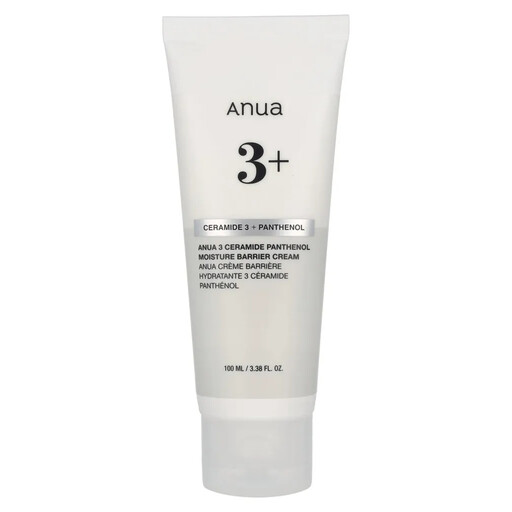
Why this product fits the profile: The 100ml size is ideal for regular daily use. According to the product details, the formula contains three types of ceramides, plus panthenol, centella and hyaluronic acid.
The product data describes a lightweight, non-sticky texture. This means the cream isn’t aimed exclusively at very dry skin types.
100ml content; panthenol, ceramides, centella and hyaluronic acid according to the stated INCI list.
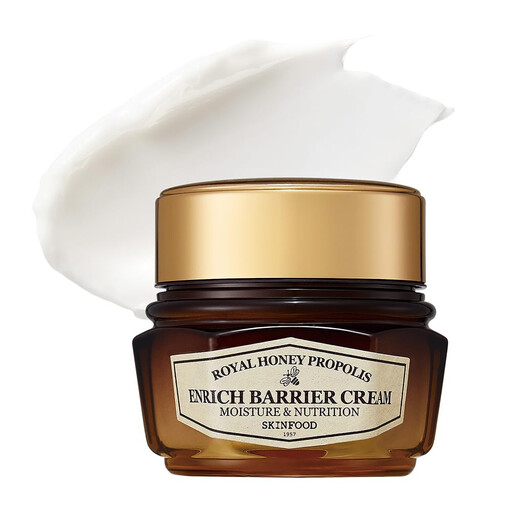
Why this product fits the profile: The richer texture and the stated honey, royal jelly and propolis extracts are aimed at those who prefer a nourishing formula.
The product description names the specific extract composition and highlights the possibility of allergies to bee products. A patch test is therefore advisable.
50% propolis extract, 5% royal jelly extract and 5% honey extract according to the manufacturer.
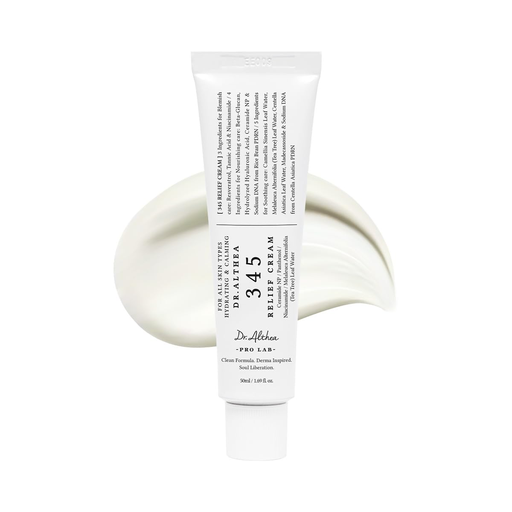
Why this product fits the profile: This lightweight gel cream contains niacinamide, panthenol, centella-related ingredients, ceramides and sodium hyaluronate according to the product description.
The lighter texture reduces the risk of a rich cream feeling uncomfortable in daily use. However, individual tolerance should still be checked.
Lightweight gel cream; ceramide NP, panthenol and centella-related ingredients according to the stated INCI list.
We’ve put together a full, regularly updated list of products that meet these strict selection criteria and comply with EU safety regulations.
Apply the cream after cleansing and, if you use one, after toner or serum. Start with a small amount; you can always add more to dry areas afterwards. In the morning, follow up with a suitable sunscreen.
If you have sensitive skin, don’t introduce several new products at once. That way, it’s easier to tell which one might be causing a reaction. With a cream for dry and irritated skin, it’s also important not to treat damaged or broken skin with cosmetics.
Depending on the formulation, you can use it in the morning and/or evening. What matters is how your skin feels, the texture and the instructions on the packaging. For very rich products, a single application in the evening may be enough.
Check the printed expiry date and the PAO symbol – for example, 12M means twelve months after opening. Always close the packaging after use and store it in a cool, dry place away from direct sunlight.
Ceramides and panthenol are commonly used in products for dry or sensitive skin. However, individual intolerance is still possible, especially with complex formulations containing fragrances, plant extracts or other active ingredients. A patch test before the first full application is therefore a good idea.