
Lieferung heute & morgen

Qualitätsgarantie

Willkommens-Angebote freischalten: KOSTENLOSE Lieferung | Bis zu 80 % RABATT | Kostenlose 30-Tage-JoyPlus-Testphase
App herunterladen
Dry, reddened or irritated skin doesn’t respond the same way to every product. A skin barrier cream can lock in moisture and complement your daily skincare routine – provided the texture, ingredients and intended use match your individual skin type. If you only look for terms like “Repair”, “soothing” or “for sensitive skin” on the packaging, you could easily end up buying something that doesn’t suit your needs.
“Barrier Repair”, “Cica” or “Skin Recovery” are not uniformly protected quality grades. What really matters is the full INCI list. A ceramide cream, for example, should actually contain ceramides. With a centella cream, it’s worth checking whether Centella Asiatica, madecassoside or related ingredients are listed.
Similarly, “for all skin types” doesn’t automatically mean a rich cream will feel comfortable on oily or blemish-prone skin. Conversely, a very light gel cream may not be enough for severely dry skin.
A weakened skin barrier is often treated with several serums, exfoliants and acid-based products. This can make your routine unnecessarily complicated. Especially during drying acne treatments, new products should be introduced one at a time. A soothing skincare product with a straightforward formulation is often easier to assess than an extensive product set.
A cream for very dry hands or rough body areas won’t necessarily be the right soothing face cream. Urea, lanolin, mineral oils or heavily occlusive ingredients can be useful for hands and body but may feel heavy on the face. Always check the stated area of use and the desired texture.
Ceramides, cholesterol and fatty acids are among the ingredients used in many formulations to support the skin barrier. A ceramide cream like or SKIN1004 lists these substances in the INCI. Humectants such as glycerin, panthenol, hyaluronic acid or urea bind water or help create a pleasant skin feel.
Their function can be categorised practically:
A cream for skin irritation is still not a medicinal product. If redness, pain, weeping patches or severe itching persist, you should seek medical advice.
For combination or oily skin, a light gel cream or serum may feel more comfortable. For dry skin and cold, windy weather, a richer cream is often preferred. A moisturiser for sensitive skin should be introduced into your routine sparingly so that any reactions can be more easily identified.
Also look out for:
Serums and ampoules are usually applied in a few drops, whereas creams are used over larger areas. A 30 ml ampoule may be enough for the face, but it isn’t automatically more economical than an 80 ml or 100 ml cream. Compare pack size, the amount needed and the intended area of use.
Before first use, a patch test on a small area of skin is recommended. If you experience burning, swelling or increasing redness, stop using the product. The current INCI list and the expiry date can be found on the packaging; formulations can change between batches.
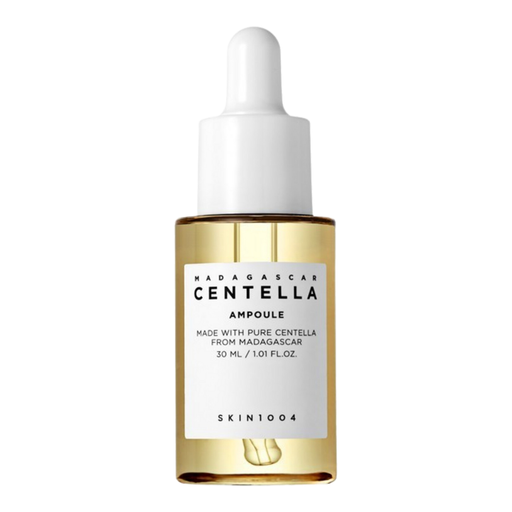
Why this product fits the profile: The watery ampoule texture is ideal for anyone looking for a streamlined Korean skincare routine without a rich cream feel. According to the product information, the formulation contains 100 % Centella Asiatica extract.
The straightforward INCI makes it easier to assess if you want to avoid new active ingredient combinations. An additional cream may be needed for dry skin.
Light, fast-absorbing texture; Centella Asiatica extract as the key ingredient.
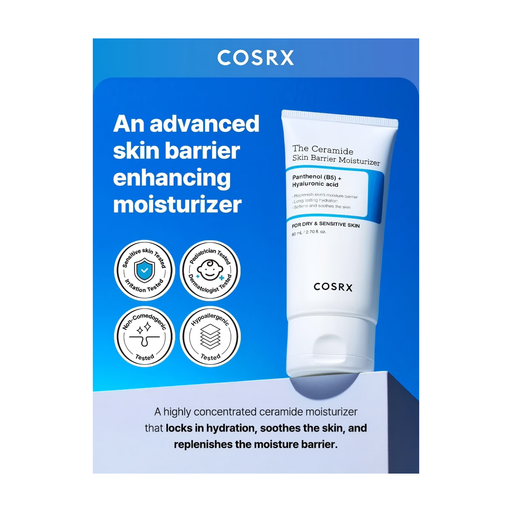
Why this product fits the profile: According to the INCI, this face cream combines several ceramides with cholesterol, phytosphingosine, squalane, panthenol and hyaluronic acid derivatives.
The choice isn’t based solely on the word “Barrier”: the relevant lipid and moisture ingredients are clearly listed in the ingredients list.
80 ml content; creamy leave-on care with ceramides and skin-like lipid ingredients.
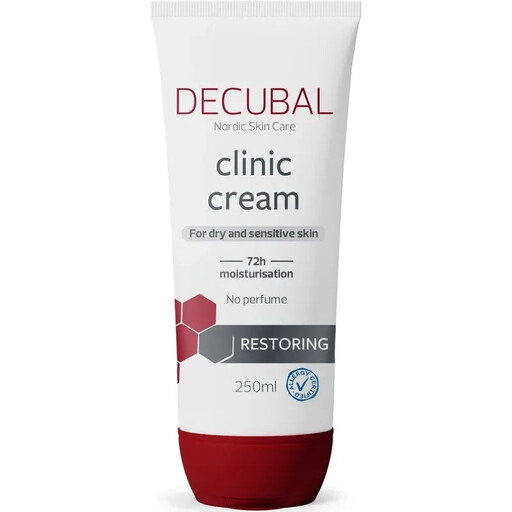
Why this product fits the profile: The large pack size and its focus on dry, sensitive body skin make it interesting for regular use on hands, arms, elbows or legs.
The stated area of use helps you avoid accidentally planning a rich body cream as a light face cream.
250 g content; according to the product information, a fragrance-free and colourant-free formulation with glycerin, lanolin and dimethicone.
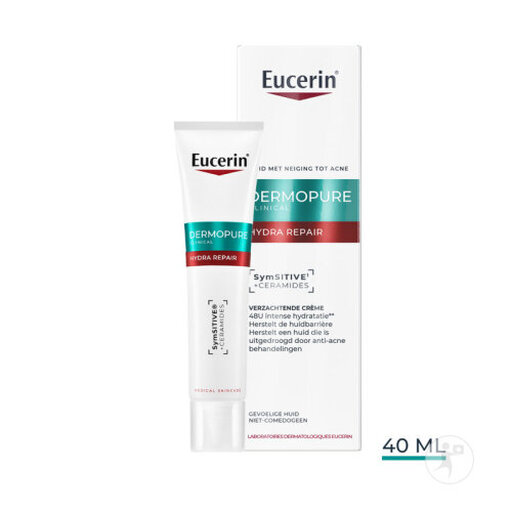
Why this product fits the profile: The product information mentions a fragrance-free formulation with panthenol, squalane and Ceramide NP for accompanying facial care on dry, sensitive skin.
The reference to the specific area of use prevents you from confusing a random anti-acne product with a moisturising barrier strengthener.
40 ml tube; fragrance-free formula with panthenol, squalane and Ceramide NP according to the product information.
We have put together a full, regularly updated list of products that fully meet these strict selection criteria and the safety regulations in force in the EU.
For very dry skin, a richer cream in the evening may be more suitable than in the morning under make-up. A light centella cream or a hyaluronic acid serum, on the other hand, can often be used more easily under other skincare steps.
Commonly chosen ingredients are ceramides, cholesterol, glycerin, panthenol, squalane, hyaluronic acid and urea. Your personal tolerance and the overall formulation are more important than any single active ingredient. Check the current INCI list on the packaging.
Yes, a light, non-sticky formulation can suit blemish-prone or combination skin. Rich textures should first be tested sparingly on small areas of skin. If you are undergoing medical acne treatment, your skincare should be coordinated with your treating practitioner.
The opened jar symbol, the manufacturer’s instructions and the printed expiry date are what matter. If the smell, colour or consistency changes, the product should no longer be used. Jars should be kept tightly closed and stored away from direct sunlight.