
Lieferung heute & morgen

Qualitätsgarantie

Willkommens-Angebote freischalten: KOSTENLOSE Lieferung | Bis zu 80 % RABATT | Kostenlose 30-Tage-JoyPlus-Testphase
App herunterladen
A skin barrier cream is designed to hydrate dry, tight or sensitive skin and support the skin’s natural protective function. However, terms like “barrier repair” or “soothing” don’t automatically indicate a suitable formulation. What really counts are the ingredients, the texture, how you use it, and your individual tolerance.
Claims like “50 % propolis” or “10,000 ppm artichoke extract” sound impressive. But they only describe part of the formulation. For everyday use, humectants, emollients, preservatives and your personal tolerance are equally important.
A product packed with plant extracts may feel lovely for some, while others react to certain ingredients or fragrances. The full INCI list on the packaging is therefore the most reliable guide.
A lightweight ampoule or serum can deliver moisture, but it doesn’t necessarily replace a final cream. Humectants like glycerin, hyaluronic acid or betaine bind water. Creams with lipids, silicones or skin-identical ingredients can then help lock that care into the skin.
If you’re looking for a face cream for dry skin, it’s worth distinguishing between a hydrating serum, a light lotion and a protective cream.
Even a moisturiser for sensitive skin that’s marketed as gentle can cause discomfort for some individuals. When trying new products, it’s sensible to do a patch test on a small area of skin. If you experience stinging, itching, a rash or persistent redness, stop using it and seek dermatological advice if needed.
For dehydrated skin, look for ingredients like glycerin, sodium hyaluronate, various forms of hyaluronic acid, aloe, beta-glucan or polyglutamic acid. These can help support your skin’s moisture levels.
For more protective care, consider ceramides, cholesterol, plant oils, fatty acids or film-formers. On an INCI list, ceramides appear as Ceramide NP, AP, AS, NS or EOP, for example. But just because they’re listed doesn’t automatically mean the product is right for every skin condition.
A good soothing facial care product doesn’t have to feel heavy on the skin. What matters is whether the formulation spreads comfortably and works well with sunscreen or make-up.
A simple routine looks like this:
During a period of skin irritation, avoid introducing strong exfoliants, retinoids and several new active ingredients all at once. According to the product information, the Artichoke Intensive Skin Barrier Ampoule specifically advises against combining it with high-concentration exfoliating products, retinol or other irritating skincare ingredients.
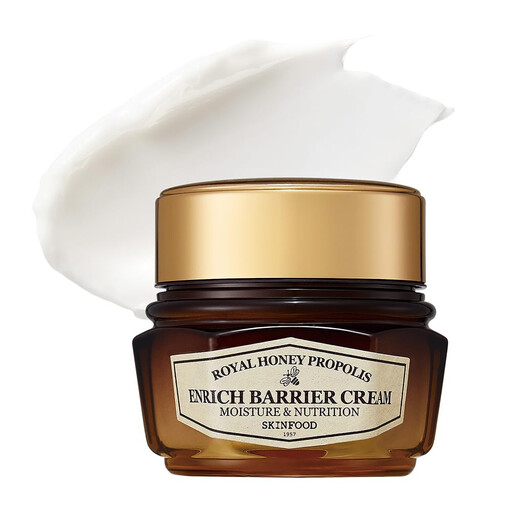
Why this product suits the profile: This cream is designed as a final step for dry or sensitive skin, and its 63 ml size is practical for daily face and neck care. According to the product information, it contains 50 % propolis, 5 % royal jelly and 5 % honey extract.
The product information names the key extracts and describes the rich, spreadable texture. This makes it easier to match the product to your own routine, rather than just relying on the term “barrier repair”.
Rich cream formulation, 63 ml content and, according to the product description, a vegan formulation. If you have allergies to bee products, extra caution is advised.
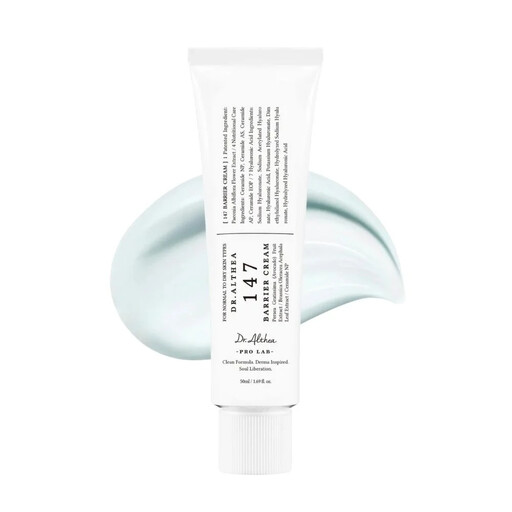
Why this product suits the profile: The formulation combines ceramides, cholesterol and several forms of hyaluronic acid. It’s aimed at those who scrutinise the INCI list of a face cream and prefer a classic cream as their last or second-to-last step.
The product description lists specific formulation features rather than just general care promises: seven forms of hyaluronic acid, plus ceramides and cholesterol in the ingredients list.
50 ml content, multiple types of hyaluronic acid and ceramides NP, AS, AP, NG, NS and EOP according to the stated INCI list. The texture is described as silky and residue-free.
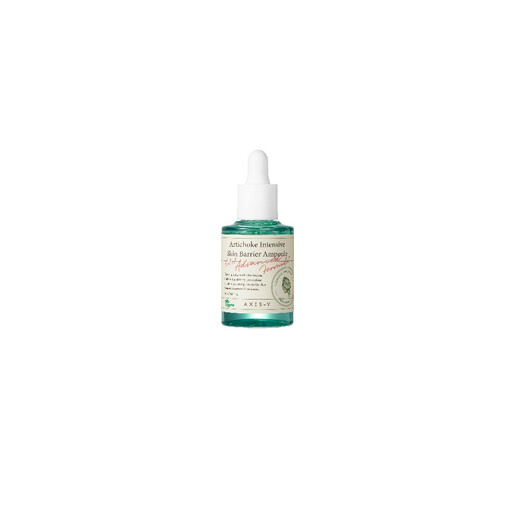
Why this product suits the profile: This lightweight ampoule is ideal for those who like to build up hydration in multiple steps or prefer a non-sticky texture. It can be used under a cream.
According to the product information, it is described as alcohol-free and contains 10,000 ppm artichoke leaf extract as well as glycerin, betaine, centella, liquorice root and hyaluronic acid. Still, you should check the full ingredients list before buying.
30 ml ampoule format, lightweight texture and, according to the product information, vegan and cruelty-free. A cream as a final step is recommended.
A skin barrier can’t be permanently “repaired” by a single product. Cosmetic care can supply the skin with moisture and lipids and support its protective function in daily life. For severely inflamed, weeping, painful or repeatedly irritated skin, a cosmetic routine may not be enough.
Also pay attention to the following points:
We’ve put together a full, regularly updated list of products that meet these strict selection criteria and fully comply with EU safety regulations.
Both terms are often used in the trade for similar cosmetic products. A Barrier Repair Cream is usually a cream containing humectants, emollients or skin-identical ingredients like ceramides. However, the name isn’t a regulated quality standard. That’s why you should compare the specific INCI list and the usage instructions.
It depends on the texture and your skin’s needs. Many creams are designed for morning and evening use. An ampoule like the Artichoke Intensive Skin Barrier Ampoule is used twice daily according to the product information, followed by a moisturiser. If you have sensitive skin, you can start slowly with once-daily application, unless the product instructions say otherwise.
In addition to the printed best-before date, look for the PAO symbol on the packaging, which might show, for example, 6M or 12M. Store the product in a dry, cool place away from direct sunlight. If the smell, colour or consistency changes, stop using it.