
Lieferung heute & morgen

Qualitätsgarantie

Willkommens-Angebote freischalten: KOSTENLOSE Lieferung | Bis zu 80 % RABATT | Kostenlose 30-Tage-JoyPlus-Testphase
App herunterladen
By Joybuy Product Recommendation Officer, August 30, 2026
An intact skin barrier is the foundation of healthy, resilient skin. When it's weakened, it often manifests as dryness, redness, an uncomfortable feeling of tightness, and increased sensitivity. The skincare market offers countless creams that promise relief. However, choosing the right skin barrier cream isn't easy. Many products don't deliver on their promises, leading to disappointment and unnecessary expense.
This guide will help you avoid the most common purchasing traps and make an informed decision. We'll show you the crucial parameters that truly matter for strengthening your skin barrier and bringing your skin back into balance.
Before we get to the solutions, it's important to recognise the common marketing promises that often create more confusion than they provide benefits.
To find an effective soothing face cream that supports your skin barrier, you should pay attention to the following three core aspects.
The outermost layer of your skin, the stratum corneum, is made of skin cells surrounded by a lipid matrix—much like bricks and mortar. This matrix primarily consists of three lipid types: ceramides, cholesterol, and free fatty acids. A damaged skin barrier often has a deficiency in these lipids. An effective cream should therefore contain not just one of these substances, but ideally a combination of them to replicate and strengthen the skin barrier's structure. Look for terms like Ceramide NP, Ceramide AP, Cholesterol, or fatty acids (e.g., Linoleic Acid) in the ingredients list.
A good moisturiser with hyaluronic acid does more than just provide superficial hydration. It should fulfill two functions:
A balanced formulation combines both groups of ingredients to provide the skin with long-lasting moisture and effectively lock it in.
When the skin barrier is weakened, the skin often reacts with redness and irritation. A good cream for sensitive skin therefore also contains soothing ingredients. Actives like Panthenol (Provitamin B5), Niacinamide (Vitamin B3), Madecassoside (an active from Centella Asiatica, a cornerstone of K-Beauty skincare), or oat extract can help calm the skin and reduce redness.
Based on the criteria above, we have identified some products suitable for different user profiles and needs.
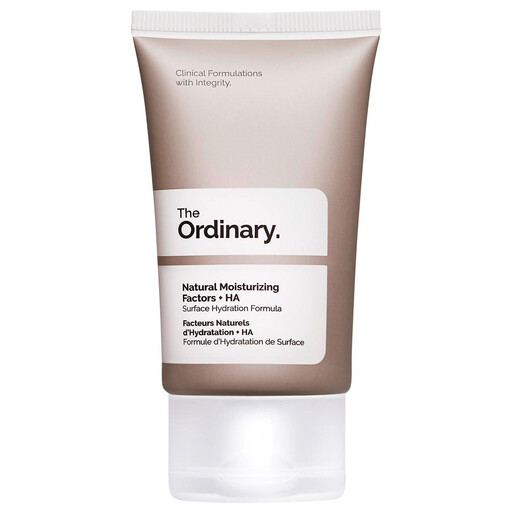
Why This Fits Their Persona: Ideal for those looking for straightforward and budget-friendly basic care. The cream delivers essential moisturising factors that are naturally present in the skin, without requiring a large budget.
The formula focuses on the skin's own building blocks (amino acids, fatty acids, hyaluronic acid) instead of a single, overhyped trend ingredient.
Provides non-greasy, immediate, and long-lasting hydration by replicating the skin's Natural Moisturizing Factors (NMF).
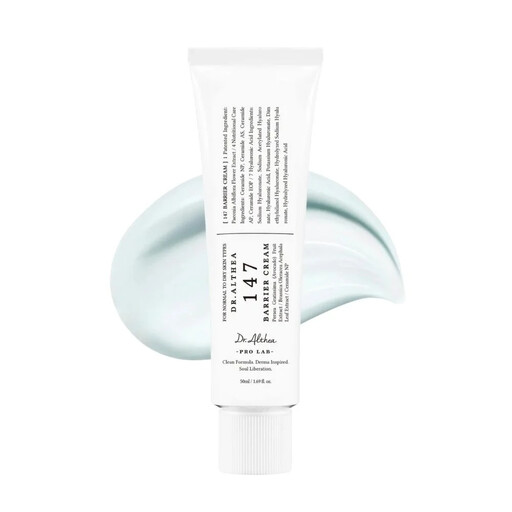
Why This Fits Their Persona: Perfect for users inspired by Korean skincare who are looking for a technologically advanced formula for targeted skin barrier repair.
This cream doesn't rely on a single ingredient but combines a ceramide complex with seven different types of hyaluronic acid for a multi-layer effect.
Offers intensive barrier care and deep hydration through a synergistic formula that strengthens, plumps, and protects the skin.
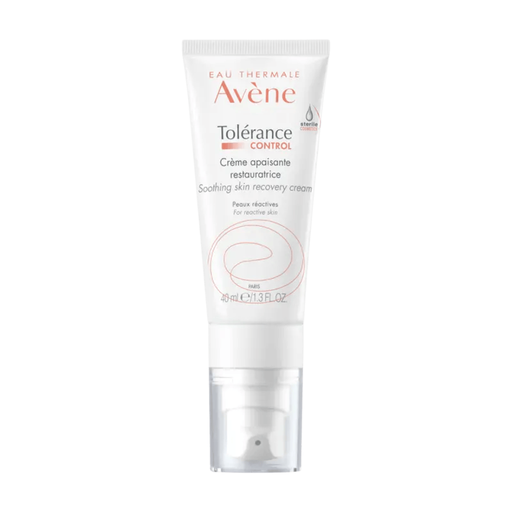
Why This Fits Their Persona: Specifically developed for hypersensitive, reactive, or allergy-prone skin. The minimalist formula focuses on maximum tolerance and immediate soothing.
Avoids the "free-from" trap by not only omitting irritants but also using a patented post-biotic active ingredient to actively calm skin reactivity.
The airtight packaging makes preservatives unnecessary, minimising the potential for irritation. According to the manufacturer, it soothes the skin within 30 seconds.
We have compiled a complete, up-to-date list of products that fully meet these strict selection criteria and German safety regulations.
Typical signs of a weakened skin barrier include persistent dryness and a feeling of tightness, even after moisturising. Other symptoms can be redness, a rough skin texture, increased sensitivity to skincare products (sudden burning or stinging), and itching.
The recovery time is individual and depends on the condition of the skin. With consistent use of a suitable skin barrier cream, initial improvements, such as relief from tightness, can often be felt after just a few days. A significant strengthening of the barrier function typically takes between two and four weeks, and in some cases longer. Patience and a regular skincare routine are key here.
Yes, because oily skin can also have a damaged barrier. This often manifests as a condition known as "dehydrated" skin, where the skin is simultaneously oily and tight. In this case, you should choose a lightweight formulation, such as a gel-cream labelled "non-comedogenic", to avoid clogging pores.