
Lieferung heute & morgen

Qualitätsgarantie

Willkommens-Angebote freischalten: KOSTENLOSE Lieferung | Bis zu 80 % RABATT | Kostenlose 30-Tage-JoyPlus-Testphase
App herunterladen
Dry, tight or sensitive skin does not automatically need the richest possible cream. When choosing a skin barrier cream, the key considerations are its ingredients, suitability and texture. Marketing terms such as “Barrier Repair” or “intensive regeneration” alone say little about whether a product is genuinely suitable.
This buying guide explains what to look for in a ceramide cream, a moisturiser for sensitive skin or Korean skincare.
Names such as “Barrier Repair Cream” or “cream for a damaged skin barrier” often describe how a product is positioned. They do not replace checking the INCI list. Look for ceramides, glycerin, panthenol, squalane, hyaluronic acid or skin-identical lipids.
The order of the ingredients can provide an initial indication of the formulation structure. However, it does not reliably indicate the precise concentrations.
Irritated skin can react sensitively to an extensive routine involving exfoliants, retinoids, heavily fragranced products or several new serums. If you introduce a new facial cleanser, serum and skin barrier cream at the same time, it can be difficult to identify the cause of a reaction.
A gradual change using only a few products is more practical. Start by testing a new cream on a small area of skin and monitor how well it is tolerated.
A very rich or occlusive cream can feel comfortable on dry skin, but may feel too heavy on combination or oily skin. Conversely, a lightweight gel cream may not be enough for very dry areas. The decisive factors are your skin type, the time of year, the indoor climate and the skin feel you want.
Ceramides are components of the skin’s natural barrier. Skincare products may contain Ceramides NP, AP, AS, NS or EOP, for example. A formulation containing several types of ceramide may appeal to people specifically looking for a ceramide cream.
Additional lipids such as cholesterol, phytosphingosine, lecithin or squalane can complement the formulation. However, the presence of a single ceramide is not, on its own, proof of quality.
Glycerin, panthenol, betaine, urea or hyaluronic acid bind water and are frequently used in moisturising facial creams. Nourishing oils, butters or silicones may also be included to create a pleasant skin feel.
In a Korean skincare routine, the cream is generally applied after cleansing, toner and serum. It forms the final step of the routine and can help keep the previously applied, water-based products on the skin. In the morning, apply sun protection afterwards.
If your skin is sensitive or irritated, check the complete INCI list. Fragrance, essential oils, alcohol or certain plant extracts are not necessarily problematic for everyone, but may be relevant if you have an individual sensitivity.
Also look for:
The following products differ in texture, ingredients, fill quantity and intended use. Please compare the current packaging information before buying, as INCI lists may change.
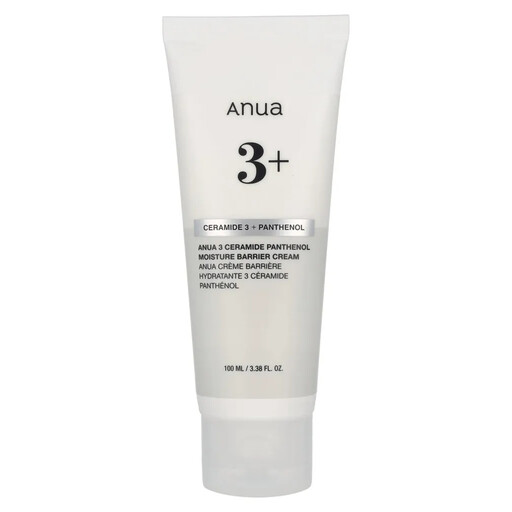
Why this product suits this profile: The 100 ml size is suitable for daily facial skincare if you are looking for an uncomplicated cream with ceramides and panthenol.
The product description names three types of ceramide and panthenol rather than relying solely on general barrier-related claims. The current ingredient list should nevertheless be checked on the packaging.
100 ml content; Ceramides NP, AP and EOP, as well as panthenol, according to the product information provided.
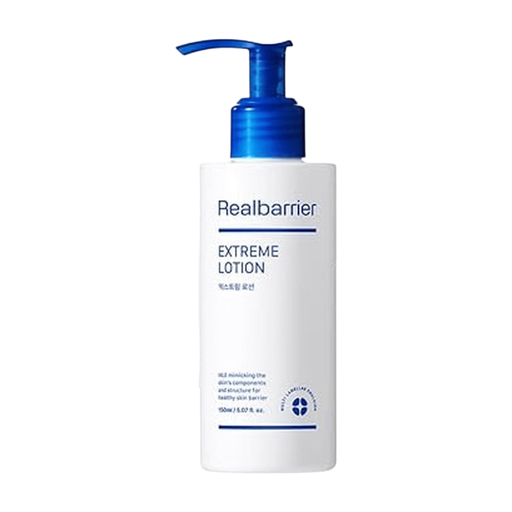
Why this product suits this profile: The 150 ml lotion is an interesting option for people who want to use a larger amount regularly on their face and neck.
The product description mentions a triple-ceramide system, panthenol and a lightweight lotion-like texture. This challenges the assumption that barrier care must always feel heavy and greasy.
150 ml content; Ceramides NP, AP and EOP, as well as ectoin and panthenol, according to the ingredient list provided.
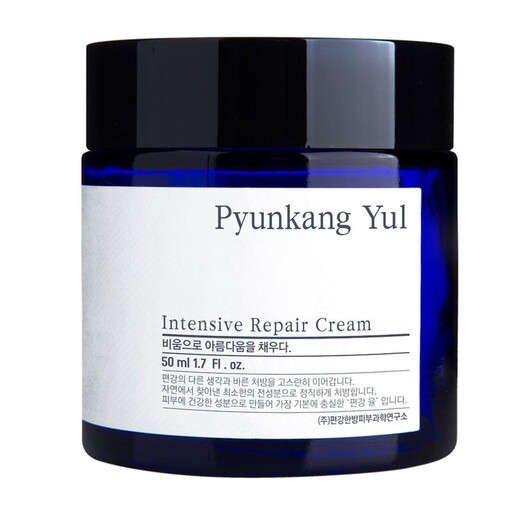
Why this product suits this profile: The richer formulation with shea butter, macadamia oil and Ceramide NP may appeal to people with dry skin or particularly dry areas requiring targeted care.
The product information lists specific nourishing lipids and ceramides. Before buying, check that the rich texture suits your preferred skin feel and morning routine.
50 ml content; Ceramide NP, shea butter, macadamia oil and beeswax according to the ingredient list.
We have put together a complete, regularly updated list of products that fully meet these strict selection criteria and the safety regulations applicable in the EU.
Apply the cream after cleansing to slightly damp or completely dry skin. In a multi-step routine, it is usually applied after toner and serum. Start with a small amount; particularly dry areas can receive additional care if needed.
If you have sensitive skin, the following approach is recommended:
A skin barrier cream can complement your daily skincare routine. It is not a substitute for medical treatment of skin conditions.
Look for a combination of humectants, ceramides and nourishing lipids. A fragrance-free or low-irritant facial cream may be better suited to sensitive skin, provided it is well tolerated individually. The texture should be sufficiently nourishing while still feeling comfortable for everyday use.
Many products are intended for use in the morning and evening. If you have dry skin, applying it once in the evening may be sufficient, or you may also apply it in the morning. Always follow the instructions on the relevant packaging and pay attention to how your skin feels.
Check the open-jar symbol, which may indicate how long the product can be used after opening, as well as the best-before date. Keep the cream tightly closed, dry and protected from direct sunlight. A change in smell, colour or consistency is a reason to stop using the product.