
Lieferung heute & morgen

Qualitätsgarantie

Willkommens-Angebote freischalten: KOSTENLOSE Lieferung | Bis zu 80 % RABATT | Kostenlose 30-Tage-JoyPlus-Testphase
App herunterladen
Dry patches, feelings of tightness or facial skin that reacts easily often lead people to look for a skin barrier cream. However, not every product described as “Barrier Repair”, “intensive care” or “soothing” will automatically meet your needs. The full INCI list, texture and everyday use are what really matter.
Ceramides, panthenol, centella and hyaluronic acid are useful points of reference. However, simply mentioning them on the packaging says little about their concentration, the overall formulation or how the product feels on the skin. A ceramide cream, for example, may be rich and well suited to dry skin, while a lightweight gel cream may be a better match for combination skin.
Cosmetic products can support your skincare routine. They are not a substitute for a dermatological diagnosis or treatment. If redness persists, severe itching or open areas develop, or your skin gets worse, stop using the product and seek medical advice if necessary.
A facial cream for sensitive skin may still contain fragrances or essential oils. If your skin reacts to fragrance, look specifically for a fragrance-free facial cream and check the INCI list. Natural fragrance ingredients are not automatically suitable for every skin type either.
A highly occlusive cream may feel comfortable on dry skin, but can feel heavy on combination skin or skin prone to blemishes. Conversely, a lightweight gel texture may not be enough as a standalone moisturiser for very dry skin. The right skin barrier cream therefore depends on your skin type, the time of year and your skincare routine.
Ceramides are naturally occurring lipid components of the outermost layer of the skin. In a skincare formula, they can complement a moisture-focused routine alongside cholesterol, fatty acids or phytosphingosine. On the INCI list, they may appear as Ceramide NP, Ceramide AP or Ceramide EOP, for example.
The presence of several types of ceramide is not, on its own, proof of quality. What matters is whether the overall formulation suits your skin and whether it contains other beneficial ingredients.
For a moisturiser for dry skin, glycerin, hyaluronic acid and panthenol are relevant ingredients. Glycerin helps retain moisture in skincare, while hyaluronic acid can be used in different forms. A panthenol cream is often aimed at people who prefer gentle, moisture-focused care.
Centella asiatica, madecassoside and allantoin are used in many formulations for a soothing skincare routine. However, this should not be interpreted as a medical promise.
An ampoule or lightweight lotion is usually applied before a cream. A classic repairing facial cream, on the other hand, is often used as the final step in a skincare routine. In the morning, it is also advisable to apply sun protection. You should also check:
Korean skincare products in particular may use names such as “Barrier Cream”, “Moisture Cream” or “Calming Cream” to describe different textures. The product page and packaging should therefore be considered together.
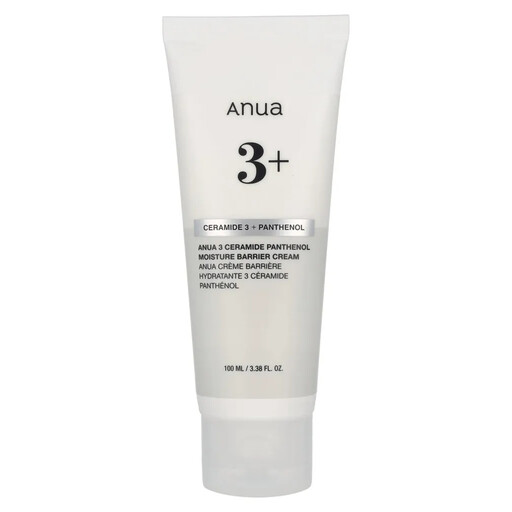
Why this product suits this profile: The 100ml size is suitable for a regular morning and evening routine. Panthenol, centella and several types of ceramide make it appealing to shoppers looking for straightforward Korean skincare.
The INCI list names Ceramide NP, AP and EOP, as well as panthenol. This makes it possible to choose the product based on specific ingredients rather than relying solely on the term “Barrier”.
100ml content; panthenol, hyaluronic acid, centella and several ceramides according to the product details.
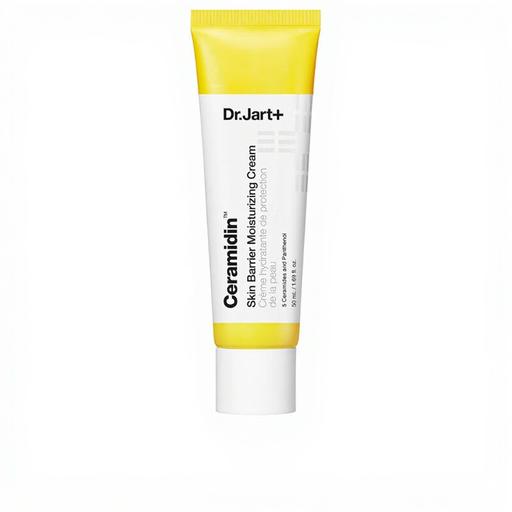
Why this product suits this profile: The formula focuses on several ceramides, panthenol, cholesterol and Sodium Hyaluronate. This makes it a considered option for shoppers specifically looking for a lipid- and moisture-focused cream.
The product details clearly state which types of ceramide are included. At the same time, check the current packaging for fragrances and any changes to the INCI list before buying.
50ml content; Ceramide NP, AP, AS, NS and EOP, as well as panthenol, according to the stated ingredients list.
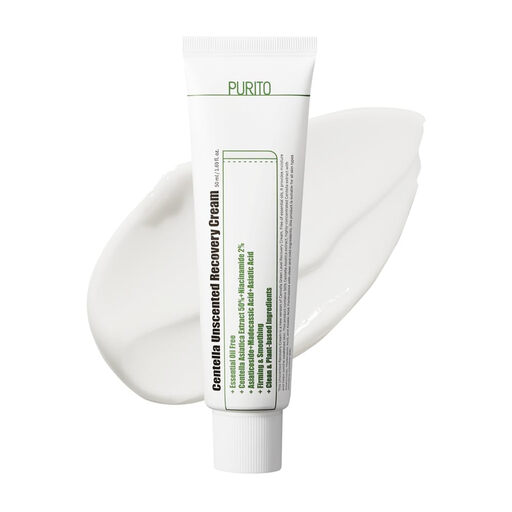
Why this product suits this profile: The fragrance-free formula is appealing to shoppers who want to avoid fragrance ingredients wherever possible. According to the product description, the lighter cream texture is particularly suitable for combination skin.
The term “Unscented” distinguishes the product from formulas with added fragrance. However, the current packaging remains the definitive source of information.
50ml content; Centella asiatica, niacinamide, Ceramide NP, squalane and Sodium Hyaluronate according to the INCI list.
We have put together a complete, regularly updated list of products that fully meet these strict selection criteria and the safety regulations applicable in the EU.
Apply the cream after cleansing and, if applicable, after toner or serum. If you have dry skin, you can apply a small additional amount to particularly stressed areas. New products should initially be tested on a small area of skin. When using a soothing facial cream, it is also advisable to check the full ingredients list, particularly if you already have known sensitivities.
For a minimalist routine, cleansing, moisturising and sun protection during the day are usually enough. Using several highly active products at the same time can make it harder to identify the cause of irritation.
Richer formulas containing glycerin, ceramides, panthenol, squalane or shea butter may be suitable for dry skin. What matters most is how the product feels and whether your skin tolerates it. A lightweight gel cream may not be enough on its own if your skin is very dry.
Ceramides are often used in skincare for dry or sensitive skin. This does not automatically mean that every ceramide cream will be suitable. Fragrances, plant extracts and other ingredients should be considered according to your individual needs. A patch test before applying the product over a larger area is advisable.
The expiry date and the open-jar symbol indicating how long the product can be used after opening, as shown on the packaging, are the key references. Store the cream in a cool, dry place away from direct sunlight, following the manufacturer’s instructions. If the smell, colour or consistency changes noticeably, stop using the product.