
Lieferung heute & morgen

Qualitätsgarantie

Willkommens-Angebote freischalten: KOSTENLOSE Lieferung | Bis zu 80 % RABATT | Kostenlose 30-Tage-JoyPlus-Testphase
App herunterladen
Dry, tight or reddened skin often reacts sensitively to cold weather, dry indoor air, frequent washing or an overly extensive skincare routine. A suitable skin barrier cream can help retain moisture and support the skin’s natural protective function. However, the decisive factors are not limited to the promise on the packaging. The combination of ingredients, texture, intended area of use and individual tolerance is what matters.
This selection by the Joybuy Product Recommendation Officer categorises available products according to transparent criteria and distinguishes factual product information from marketing claims.
Terms such as Barrier Repair Cream, “regenerating” or “for redness” primarily describe the skincare function of cosmetic products. A cream can moisturise the skin, form a protective film or support the skin barrier through specific lipids. However, it cannot replace a dermatological diagnosis or treatment.
If the skin is weeping, open, severely inflamed or persistently itchy, consult a doctor, dermatologist or pharmacist before use.
Ceramides, hyaluronic acid, panthenol, niacinamide and plant extracts are often promoted together. For sensitive skin, however, a lengthy INCI list can make it more difficult to identify the cause of a reaction. Essential oils, fragrances and aromatic plant compounds are also not suitable for everyone.
A ceramide cream is therefore not necessarily suitable simply because of its name. Check the complete ingredient list on the packaging and test any new product on a small area of skin first.
A rich moisturiser for dry skin may be useful on the hands, elbows or legs, yet feel too heavy on the face. Conversely, a lightweight face cream may not provide sufficient protection for very dry areas of the body. Pay attention to the stated area of use, the amount required and the texture you prefer.
Several groups of ingredients are relevant to the daily care of dry or sensitive skin:
The order of ingredients in the INCI list provides an indication of their relative quantity, but does not allow a complete assessment of individual tolerance.
A lightweight gel cream is often suitable for combination skin or for anyone who prefers to avoid a greasy feel during the day. Rich creams containing oils, waxes or a higher lipid content are generally better suited to rough, very dry areas of the body or to evening care.
When choosing a face cream for sensitive skin, you should also check for fragrances and essential oils. “Hypoallergenic” or “for sensitive skin” is not proof of personal tolerance. A patch test on a small area can reduce the risk of an unwanted reaction.
Check the following before buying:
For dry skin, applying cream to slightly damp skin may feel more comfortable. Avoid introducing new products at the same time as several other active skincare products.
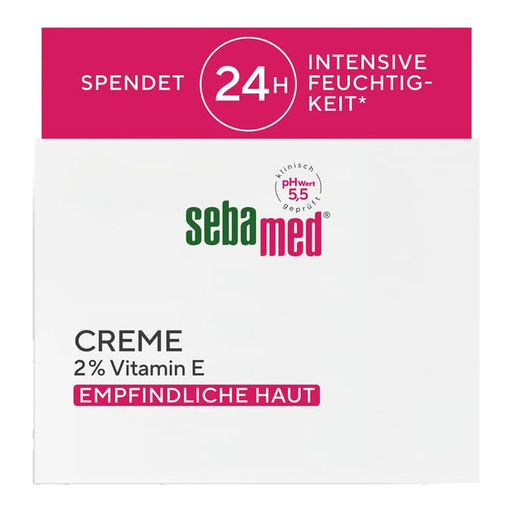
Why it fits: The cream is intended for daily care of the face, neck and décolleté and contains 2% vitamin E as well as glycerin. The stated pH value is 5.5.
Its straightforward positioning makes it easy to get started without requiring an extensive active-ingredient routine. Nevertheless, check the ingredient list before purchase, as the formula contains fragrances.
75 ml, oil-in-water emulsion, glycerin and a vitamin E derivative; developed and manufactured in Germany according to the product information.
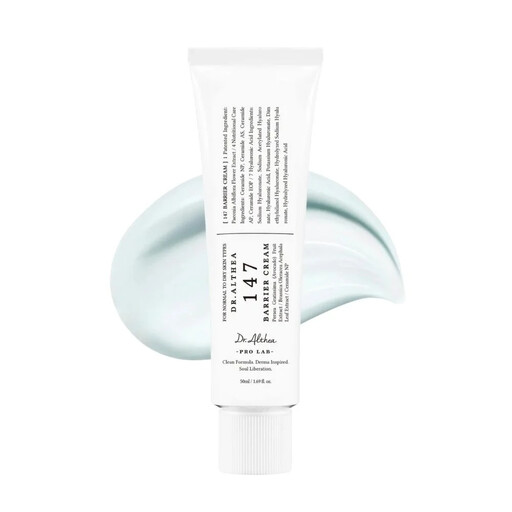
Why it fits: This Korean face cream combines ceramides, cholesterol and several forms of hyaluronic acid with a creamy texture that is described in the product information as leaving minimal residue.
The selection can be understood through its specific lipids and humectants. Even so, the richer formula may not suit every preferred skin feel.
50 ml, ceramides NP, AS, AP, NG, NS and EOP, plus several hyaluronic acid derivatives according to the stated INCI list.
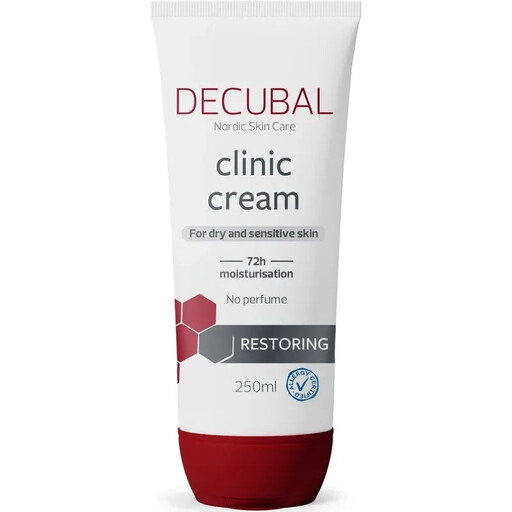
Why it fits: Its generous size and stated lipid content of 38% make this cream an interesting option for the hands, elbows, knees and other dry areas of the body.
The product quantity and intended use on the body are clearly stated. For facial use, first check whether the rich texture feels comfortable.
250 g, fragrance- and colourant-free according to the product information; contains glycerin, lanolin and dimethicone, among other ingredients.
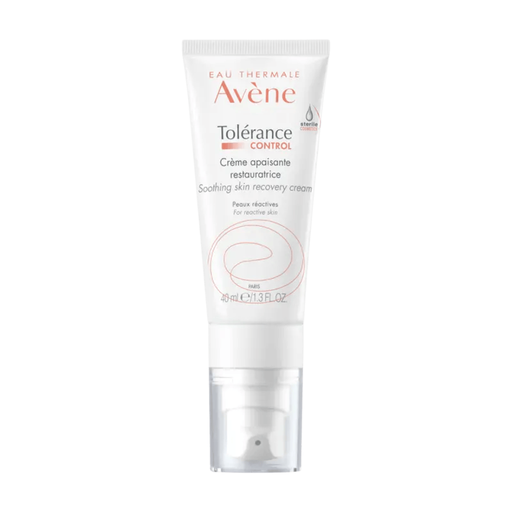
Why it fits: The fragrance- and preservative-free formula is indicated for hypersensitive, reactive and intolerant skin.
The streamlined formula and airtight packaging address typical selection criteria for sensitive skin. However, an individual reaction cannot be ruled out.
40 ml, fragrance- and preservative-free according to the product information; intended for use in the morning and evening.
The complete selection includes additional products for different skin types, areas of use and skincare needs. Always check the latest information on the product packaging before purchase.
Apply a skin barrier cream in a thin, even layer after cleansing. When caring for the body after showering, applying it to slightly damp skin may improve the feel. A very rich layer is not always necessary; start with a small amount and adjust it to the area being treated.
When introducing a new cream for redness or care product for irritated skin, testing it on a small area is recommended. If you experience burning, swelling, a worsening rash or persistent itching, wash off the product and discontinue use. If symptoms persist or become more severe, seek medical advice.
This depends on the product and the condition of your skin. Many face creams are used morning and evening, while body creams are applied after showering or as needed. Always follow the manufacturer’s directions for use.
The best-before date or the open-jar symbol indicating the period after opening can be found on the packaging. Temperature, light and hygienic dispensing affect the product’s usable life. If the smell, colour or consistency changes, discontinue use.
Look for a straightforward formula and check for fragrances, essential oils and any known personal triggers. Products containing ceramides, glycerin, panthenol or allantoin may be suitable for daily care. Individual tolerance, however, can only be assessed through careful trial.