
Lieferung heute & morgen

Qualitätsgarantie

Willkommens-Angebote freischalten: KOSTENLOSE Lieferung | Bis zu 80 % RABATT | Kostenlose 30-Tage-JoyPlus-Testphase
App herunterladen
By the Joybuy Product Recommendation OfficerUpdated August 28, 2026
A healthy skin barrier is the foundation of resilient, healthy skin. When it's compromised, skin often reacts with redness, tightness, and blemishes. However, finding the right skin barrier cream for sensitive skin can be complicated. Many products promise quick relief, but not every formula is suitable for every skin type. In particular, those with sensitive combination or oily skin face the challenge of finding a treatment that repairs intensely without feeling heavy or clogging pores.
This guide will help you understand the key criteria and sidestep common purchasing pitfalls, so you can make an informed decision for your skin.
The skincare market is saturated with marketing promises. Anyone looking to repair a weakened skin barrier should critically examine three common assumptions to avoid unnecessary expense and skin irritation.
To find a cream that effectively supports your skin barrier without causing new problems, you should focus on the following objective features.
Texture isn't just a cosmetic aspect; it's crucial for suitability with oily, blemish-prone skin. While rich creams (water-in-oil emulsions) form a protective layer, lighter formulations are often the better choice to hydrate the skin while allowing it to breathe.
Look for terms like gel-cream, fluid, or light lotion. These are typically based on oil-in-water emulsions, absorb quickly, and don't leave a heavy feeling. Such a lightweight barrier cream is ideal as a moisturiser for blemish-prone skin, as it balances moisture levels without further stimulating sebum production.
A single ingredient can rarely solve all problems. Effective formulations rely on the synergy of different active ingredients to repair the skin barrier and soothe the skin. A good Niacinamide Panthenol Cream is a classic example of this.
If redness and irritation are your main concerns, you should look for ingredients that can specifically mitigate inflammatory processes. A good cream for facial redness often contains active ingredients such as:
Check the ingredient list (INCI) for the absence of potential irritants like perfume, denatured alcohol (Alcohol denat.), and high concentrations of essential oils.
Based on the criteria above, we have identified several products that are suitable for different needs and skin conditions.
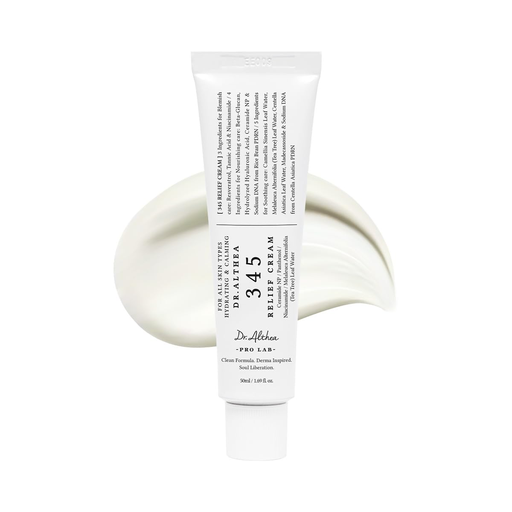
Why This Fits Their Persona: Ideal for users seeking a soothing, hydrating treatment that combats redness and sensitivity without clogging pores. The lightweight gel-cream texture is perfect for daily use, even under makeup.
The non-greasy gel-cream texture debunks the myth that barrier care must be heavy. It provides moisture without leaving an occlusive film.
Combines Niacinamide, Panthenol, and Centella Asiatica extracts to simultaneously soothe, hydrate, and strengthen the barrier. Tested to be non-comedogenic according to the manufacturer.
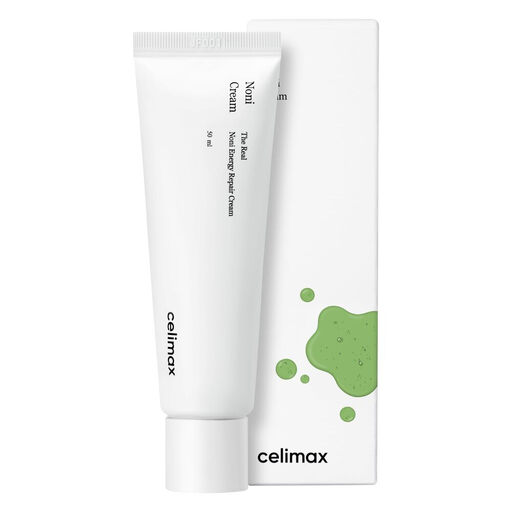
Why This Fits Their Persona: For lovers of Korean skincare looking for an advanced formula to smooth rough, flaky, and sensitive skin. The cream provides intensive nourishment and repair.
Instead of relying on a single well-known ingredient, it uses a high concentration (55%) of Noni Fruit Extract, combined with ceramides, for comprehensive repair.
The velvety texture melts into the skin, forming a breathable, non-sticky moisture layer. The formula with Ceramide NP directly targets the rebuilding of the lipid barrier.
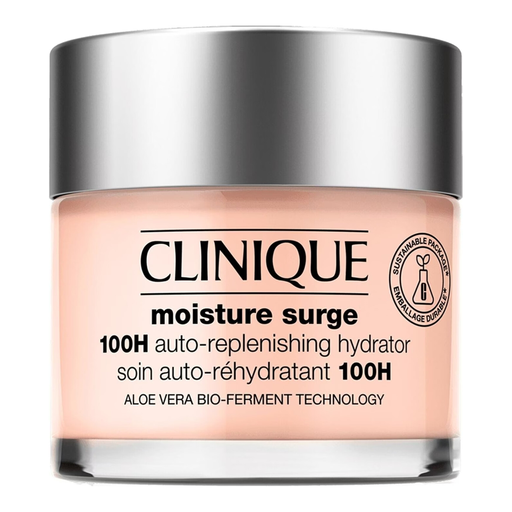
Why This Fits Their Persona: Perfect for those whose main concern is dehydration and who prefer a straightforward, oil-free moisturiser with a lightweight texture. It's a reliable choice for sensitive skin that can't tolerate heavy oils or fats.
This gel-cream bypasses the "for all skin types" trap by focusing on one core function: intense, oil-free hydration. It doesn't try to be everything at once, making it particularly suitable for oily and combination skin.
The formula with Aloe Bio-Ferment and Hyaluronic Acid helps the skin create its own internal water source. The texture is extremely light and absorbs instantly. Classified as non-acnegenic.
We've compiled a complete, up-to-date list of products that fully meet these strict selection criteria.
For long-term strengthening of the skin barrier, consistent use is recommended, ideally twice a day (morning and evening) on cleansed skin. Initial improvements, such as a reduction in tightness, can occur quickly. Visible results for redness and the skin's overall resilience often appear after several weeks, as the skin needs time to go through its natural renewal cycle and rebuild the barrier.
For people with oily or combination skin, a lightweight barrier cream can often be enough even in winter, especially if they are not exposed to extreme weather conditions. In very cold, dry air or if the skin feels tight, the routine can be adjusted. One option is "layering," where a hydrating serum (e.g., with hyaluronic acid or beta-glucan) is applied before the cream. Alternatively, a slightly thicker layer of the cream can be used in the evening as a sort of overnight mask.
Not necessarily. The risk of a cream being comedogenic (pore-clogging) depends heavily on its formulation and texture. To minimise this risk, those with blemish-prone skin should specifically look for products labelled "non-comedogenic." Lightweight textures like gel-creams or fluids are generally a safer choice than very rich, greasy ointments based on mineral oil or wax.