
Lieferung heute & morgen

Qualitätsgarantie

Willkommens-Angebote freischalten: KOSTENLOSE Lieferung | Bis zu 80 % RABATT | Kostenlose 30-Tage-JoyPlus-Testphase
App herunterladen
When your skin feels tight, looks dry, appears red, or reacts quickly to new products, many people start looking for a routine to repair the skin barrier. But the choice isn’t just about price or brand recognition. What really matters is a straightforward formula, the right texture, and a routine you can stick with long-term.
Labels like “Repair”, “Calming” or “Barrier Boost” describe a product’s positioning, not its actual ingredients or whether the texture suits your skin. If you want to buy a barrier protection cream, always check the full INCI list and the usage instructions.
A cream can feel rich and nourishing yet still contain fragrances or essential oils. For people with reactive or very sensitive skin, fragrance-free skincare is often the safer choice. “Natural” doesn’t automatically mean a formula will agree with your skin.
Exfoliants, retinoids, highly concentrated acids and multiple serums can put extra stress on already sensitive skin. If you want to strengthen your skin barrier, a pared-down routine usually works better: gentle cleansing, moisturising care and a protective cream. Introduce new products one at a time.
For dry skin, humectants like glycerin, hyaluronic acid or panthenol are typical ingredients. Lipids such as ceramides, cholesterol, plant oils and shea butter can complement the care of dry skin. However, the actual effect depends on the overall formula, the concentration and your individual tolerance.
A cream for dry skin shouldn’t just give you a smooth feeling temporarily. Look for a texture that provides enough nourishment without feeling sticky or leaving an annoying film.
For irritated or sensitive skin, having as few potentially irritating ingredients as possible is often practical. “Alcohol-free” should refer to the specific product claim, because different alcohols in cosmetics can have different functions. A short INCI list isn’t a guarantee of tolerance, but it does make it easier to navigate.
A light soothing face cream isn’t always suitable for very dry areas on the body. Conversely, a rich body lotion can feel too heavy on the face. Also check the age recommendation and the manufacturer’s instructions. For children, those with an atopic tendency or recurring issues, product selection should be discussed with a dermatologist.

Why this product fits the profile: This face cream is ideal for a simple Korean skincare routine with a clear final step.
The stated formula contains ceramides and several types of hyaluronic acid; the INCI list can be checked before purchase.
50 ml content, creamy face care and, according to the product details, ceramides plus seven forms of hyaluronic acid.
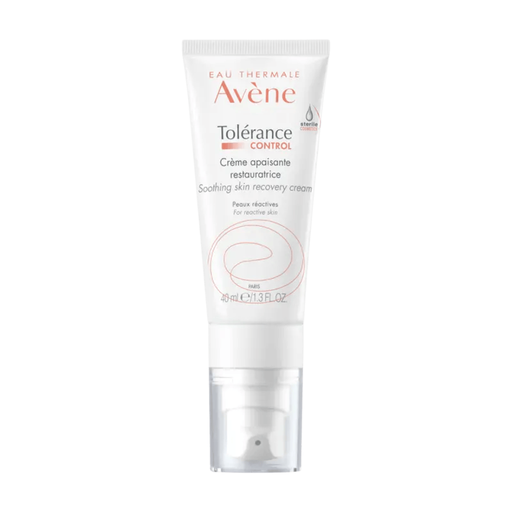
Why this product fits the profile: Its preservative-free and fragrance-free approach appeals to shoppers who prefer a minimalist face care routine.
The product description mentions an airtight package and a formula free from fragrances and preservatives. The packaging details remain definitive.
Fragrance-free cream with 40 ml content and a squalane-based care base.
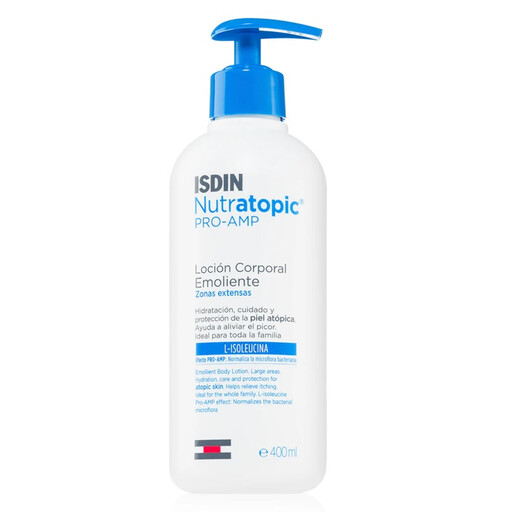
Why this product fits the profile: The large 400 ml lotion is designed for regular body care and for very dry, sensitive skin.
The product details specify the intended skin type and key ingredients like ceramides and niacinamide, rather than just making a general care promise.
400 ml content, lotion texture and targeted at atopic, very dry and sensitive skin.
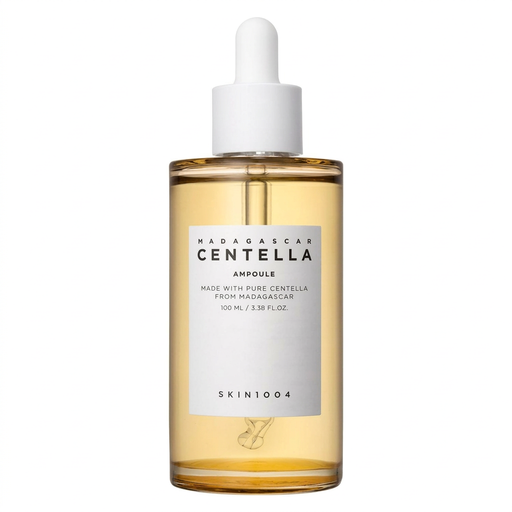
Why this product fits the profile: This thin Centella ampoule can be used as a serum or as a light care step under a cream.
The details mention a short list of additional exclusions such as fragrances and alcohol. A patch test is still recommended before use.
100 ml content, light serum texture and Centella Asiatica extract according to the product description.
For particularly dry body skin, larger lotions or balms are often more practical than small face creams. For more products for sensitive and atopic-prone skin, you might also find the category atopic eczema relevant.
We have put together a complete, regularly updated list of products that fully meet these strict selection criteria and the safety regulations in force in the EU.
A simple routine with gentle cleansing, moisturising care and a suitable barrier protection cream can structure your daily care. To begin with, avoid frequent product changes as well as heavily exfoliating or drying products. An improvement in skin issues cannot be guaranteed across the board.
Give a new product a few days to observe tolerance. For sensitive skin, a patch test on a small area is advisable. If burning, rash, swelling or increasing redness occurs, stop using it and seek dermatological advice if necessary.
Depending on the formula, an ampoule mainly provides a light, hydration-focused care step. For dry skin, a cream afterwards can be useful to complete the routine. Whether a moisturiser for sensitive skin is sufficient depends on your skin condition, the season and the texture.