
Lieferung heute & morgen

Qualitätsgarantie

Willkommens-Angebote freischalten: KOSTENLOSE Lieferung | Bis zu 80 % RABATT | Kostenlose 30-Tage-JoyPlus-Testphase
App herunterladen
An even complexion and a smooth skin texture are common skincare goals. A skin exfoliant can be an effective tool for removing dead skin cells and promoting skin renewal. However, the market is flooded with countless products, each promising impressive results. This variety often leads to confusion and poor purchasing decisions that irritate the skin more than they help.
Many users choose products that are unsuitable for their skin type or are misled by marketing promises into using them incorrectly. Before you make a decision, it's important to understand the most common pitfalls:
To avoid these mistakes and find a product that truly fits your needs, you should examine three crucial parameters.
The most fundamental decision is between a mechanical and a chemical exfoliant.
With a chemical exfoliant, the type of acid is crucial for its effect.
Efficacy and tolerability depend heavily on the concentration of the acids and the frequency of application. For beginners, it is recommended to start with a low concentration (e.g., 5% AHA or 0.5-1% BHA) and apply it once or twice a week. Observe your skin's reaction before slowly increasing the frequency. Always follow the manufacturer's instructions.
Based on these objective criteria, we have identified several products that are suitable for specific user profiles and their needs.
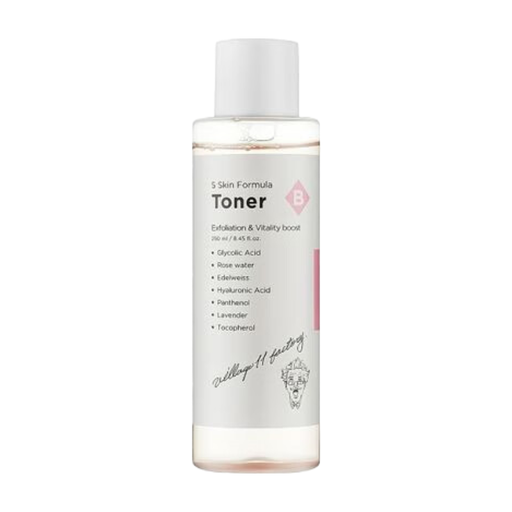
Why This Fits Their Persona: This toner is designed for individuals who want to combat clogged pores and excess sebum on a daily basis. The lightweight formula is suitable for integration into an existing skincare routine for oily or combination skin.
The product specifically addresses the needs of oily skin instead of using an unsuitable exfoliant type (avoids Pitfall 2). The mild formulation is designed for daily use and counteracts the "stronger is better" myth.
The combination of AHA and BHA works both on the surface and within the pores. Ingredients like Centella Asiatica and Panthenol have a soothing and moisturizing effect.
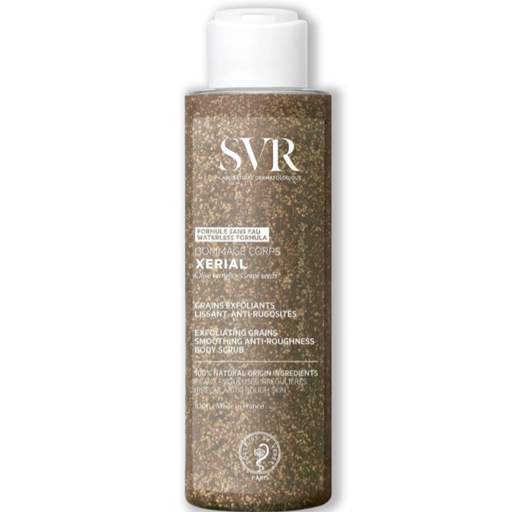
Why This Fits Their Persona: Ideal for individuals struggling with rough skin, Keratosis pilaris ("chicken skin"), or ingrown hairs on arms, legs, and other body parts, who are looking for an effective mechanical solution.
This product is a clear example of the correct application of a mechanical exfoliant (avoids Pitfall 2). It is specifically designed for the more robust skin on the body, not the delicate face.
Made from 100% natural olive and grape seed powders for effective yet gentle exfoliation. According to SVR, 87% of users observe an effective reduction in roughness after the first use.
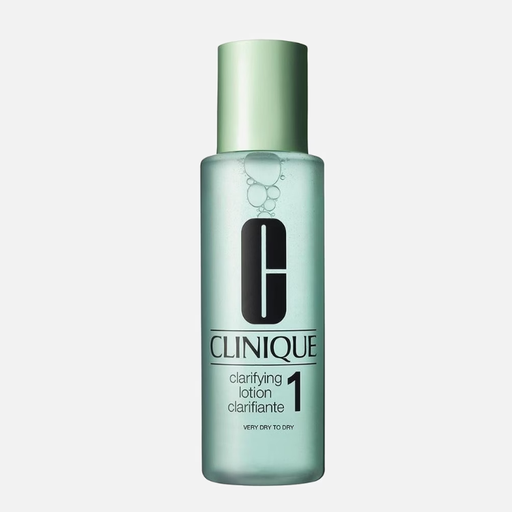
Why This Fits Their Persona: For users with very dry to dry skin types who are looking for a daily, gentle exfoliation to remove flakes and optimally prepare the skin to absorb moisturizer.
This product is explicitly formulated for dry skin, thus avoiding the classic mistake of using an unsuitable exfoliant (Pitfall 2). It is designed as a gentle, daily step, not an aggressive weekly treatment.
Gently removes dead skin flakes and prepares the skin to better absorb moisture from subsequent skincare. The formula is part of a system tailored to the specific needs of the skin type.
We have compiled a complete, up-to-date list of products that fully meet these strict selection criteria and current safety regulations.
The ideal frequency depends heavily on the chosen product and your individual skin type. As a general guideline: mechanical exfoliants should be used no more than once or twice a week. Mild chemical exfoliants in the form of toners can be used daily if well-tolerated, while more concentrated serums or masks are better suited for use one to three times a week. Always start with a lower frequency and observe your skin's reaction.
Yes, combining AHA and BHA is possible and is already included in many products to achieve a comprehensive effect. If you are using two separate products, it is often safest to use them on alternate days to minimize the risk of irritation. Users with very resilient skin can also apply one acid in the morning and the other in the evening, but this should be tested slowly.
Yes, absolutely. Chemical exfoliants, especially those with AHAs (AHA peel), increase the skin's sensitivity to light (photosensitivity). Daily use of a broad-spectrum sunscreen with a high Sun Protection Factor (SPF 30 or higher) is essential. This not only protects the freshly exfoliated, more sensitive skin from UV damage but also secures the results achieved and prevents new pigmentation spots.