
Lieferung heute & morgen

Qualitätsgarantie

Willkommens-Angebote freischalten: KOSTENLOSE Lieferung | Bis zu 80 % RABATT | Kostenlose 30-Tage-JoyPlus-Testphase
App herunterladen
Finding the ideal cut of skin-on pork belly can be a challenge for home cooks. The goal is clear: a succulent roast with perfectly crispy, golden-brown crackling. Yet, all too often, the purchase leads to disappointment. The wrong cut or unsuitable meat quality can cause even the best recipe to fail.
Many shoppers focus solely on price or weight, overlooking crucial quality indicators. Two common pitfalls are:
This guide will show you the objective criteria to look for to make an informed purchasing decision and avoid disappointment, especially when ordering pork online.
To ensure your dish is a success, you should check three essential features of the meat cut before buying. These parameters determine whether the piece is suitable for your purpose, be it a German-style crispy roast or an Asian braised dish.
A high-quality pork belly is distinguished by clearly defined, alternating layers of muscle and fat. A balanced ratio ensures that the meat remains juicy during the long cooking process, as the rendering fat bastes the muscle tissue.
The rind is the most important part for anyone wanting to prepare a true crispy roast. Look for a thick, undamaged, and dry skin layer. A moist or overly thin rind will not properly puff up ("pop") in the oven and will remain tough. A good Siu Yuk pork belly requires a flawless rind, which is often specially treated before preparation to achieve maximum crispiness. When buying online, it's helpful if the product description explicitly mentions its suitability for crispy roasts.
When you buy a whole slab of pork belly, a rectangular and uniformly thick shape is a major advantage. An irregularly shaped piece will cook unevenly: thinner parts will dry out before the thicker sections are cooked through. A cleanly trimmed, block-shaped cut is especially important if you plan to buy a crispy roast, as it is easier to portion and cooks more consistently. This shape stability is also crucial for preparing rolled pork belly, such as Pancetta or Chashu.
Based on the criteria above, we have selected a few products that are well-suited for specific applications.
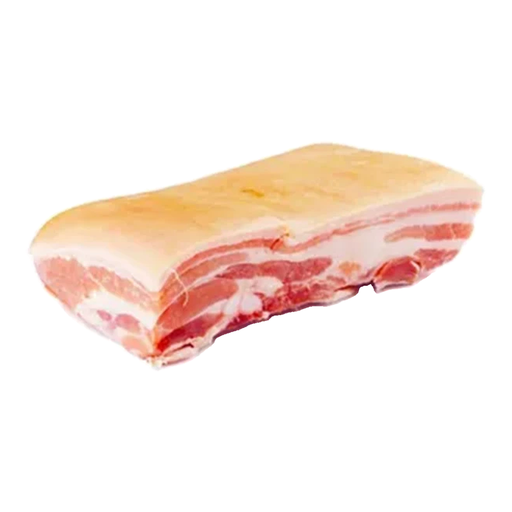
Why it's a great fit: This cut is ideal for preparing a classic German-style crispy roast. The 600g size is well-suited for a family meal, and the clear focus on the rind meets the most critical requirement.
The product description highlights the skin-on nature of the cut, directly addressing the concern of an unusable rind. The uniform cut helps prevent uneven cooking.
The piece offers a clear ratio of fat to muscle and a good size for traditional roast recipes.
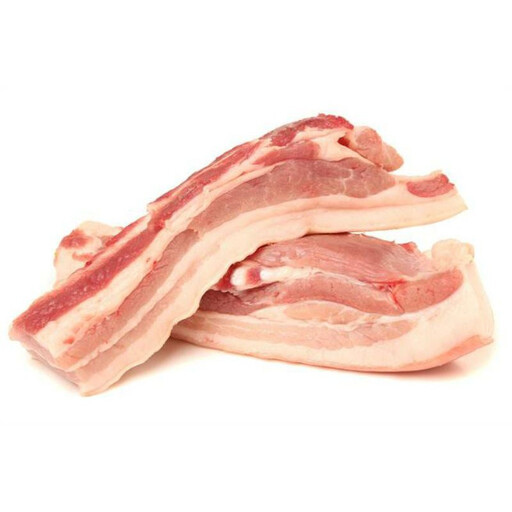
Why it's a great fit: This cut is explicitly described as the foundation for authentic Cantonese crispy pork (Siu Yuk), Japanese Chashu, or Chinese red-braised pork belly (Hong Shao Rou).
The description promises a balanced ratio of tender meat to fat and an intact rind. This prevents purchasing an unsuitable cut for specialised Asian recipes.
The cut is optimised for the demands of Asian dishes and is vacuum-sealed to preserve freshness.
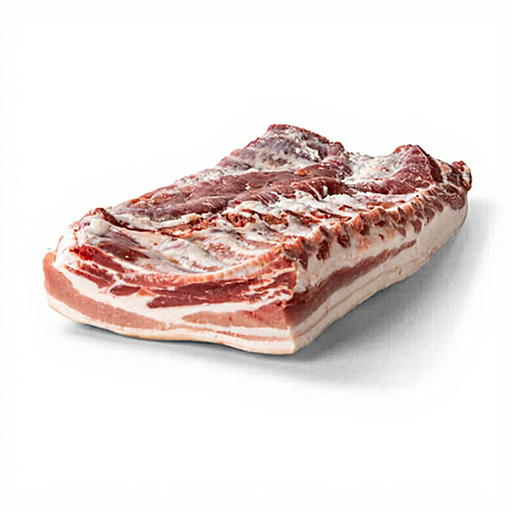
Why it's a great fit: For cooks who appreciate the extra flavour that bones impart to the meat during slow cooking or braising. This version offers a different flavour dimension than boneless belly.
Bone-in cuts can sometimes have an unfavourable meat-to-bone ratio. This pre-portioned 500g piece offers more reliable product consistency.
The bone-in aspect provides a more intense aroma and a richer sauce, which is particularly beneficial for braised dishes.
We've compiled a complete, up-to-date list of products that meet these strict selection criteria and quality standards.
Fresh pork belly should be stored in the refrigerator at 0–4°C and consumed within 24 hours of opening the package. For longer storage, the meat can be frozen. Frozen pork belly should be kept at -18°C. Follow the instructions on the packaging. Once thawed, meat should not be refrozen.
Yes, for exceptionally crispy crackling, pre-treatment is recommended. First, pat the rind thoroughly dry. It can then be scored in a diamond pattern, taking care not to cut into the meat. Rubbing it with salt and a little vinegar or lemon juice helps to draw moisture from the skin, which promotes crackling in the oven.
When buying online, you have to rely on product descriptions and images. Look for detailed information about the cut, the fat-to-meat ratio, and the origin. Terms like "vacuum-sealed" indicate a high standard of hygiene and freshness preservation. Product images that show clear layering and a clean rind are also a good indicator of quality.