
Lieferung heute & morgen

Qualitätsgarantie

Willkommens-Angebote freischalten: KOSTENLOSE Lieferung | Bis zu 80 % RABATT | Kostenlose 30-Tage-JoyPlus-Testphase
App herunterladen
The facial care market is vast, and one product, in particular, stands out: the face serum. It's promoted as a concentrated solution for almost any skin concern, from dryness to wrinkles. However, the huge selection and often flowery marketing promises make the decision difficult. Many products don't deliver on their claims, leading to disappointment and unnecessary expense.
As your Joybuy Product Recommendation Officer, I'll help you recognise the typical pitfalls and make an informed choice. We'll focus on what really matters: the ingredients and formulation that match your skin type and goals.
Before we turn to the solutions, it's important to understand the most common marketing traps that often lead to a bad buy.
To find the right face serum, you should focus on objective criteria rather than advertising messages. The following three points are crucial.
The effectiveness of a serum depends directly on its active ingredients and their position on the INCI list (International Nomenclature for Cosmetic Ingredients). Ingredients are listed in descending order of their concentration.
The base of a serum determines how it feels on the skin and which skin type it is best suited for.
Especially for sensitive skin, it is important to check the INCI list for potential irritants. These include:
A product labelled "fragrance-free" and "alcohol-free" is often a safer choice for a serum for sensitive skin.
Based on the criteria above, we have compiled a selection of products suitable for specific user profiles and their needs.
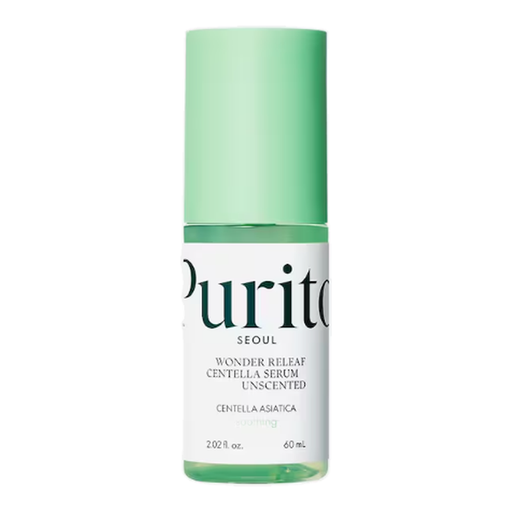
Why This Fits Their Persona: Ideal for those looking for a straightforward yet effective product to soothe redness and strengthen the skin barrier. Perfect as an introduction to the world of K-Beauty serums.
This serum avoids the "for all skin types" trap with a targeted, fragrance-free formula. With 49% Centella Asiatica extract as the first ingredient on the INCI list, the main active is highly concentrated and not just a marketing gimmick.
High concentration of soothing ingredients: Contains Centella Asiatica, peptides, and ceramides to support the skin barrier. Fragrance-free: Suitable for very sensitive skin.
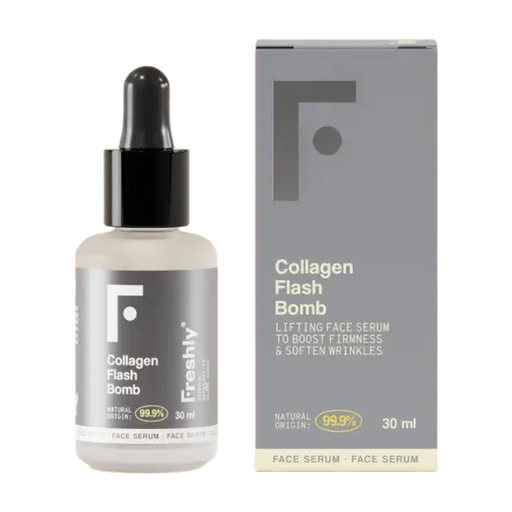
Why This Fits Their Persona: For users who specifically want to improve their skin's elasticity and firmness. The formula targets a visible firming effect and long-term regeneration.
This serum avoids the "miracle ingredient" myth by using biotechnologically derived vegan collagen, which is listed high up on the INCI list. It doesn't promise a magical effect, but rather a plumping action through intense hydration and a high concentration of amino acids.
Vegan Collagen: Uses a biotechnologically produced, skin-identical collagen alternative. High percentage of natural ingredients: According to the manufacturer, it contains 99.9% natural ingredients and is suitable for sensitive skin.
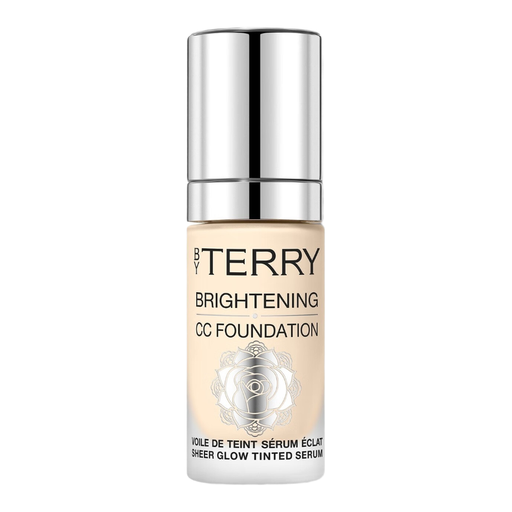
Why This Fits Their Persona: Perfect for users who prefer a time-saving routine and want a product that combines hydration, an even complexion, and a radiant glow in a single step.
This product avoids the confusing product name trap by being clearly positioned as a multifunctional foundation and day cream. It's an honest combination of skincare and makeup, rather than just pretending to be a serum with a light tint.
Multifunctionality: Combines the benefits of a hydrating serum with the coverage of a light foundation. Nourishing ingredients: According to the manufacturer, it contains Japanese Rose Extract, Aloe Vera, and Niacinamide.
We have compiled a complete, real-time list of products that fully satisfy these strict selection criteria and UK safety regulations.
1. How do I integrate a face serum into my skincare routine? A serum is typically applied after cleansing and toning, onto slightly damp skin. Put a few drops into your palms and gently pat it into the skin on your face and neck. Wait a moment for it to absorb before applying your moisturiser and sunscreen (in the morning).
2. Can I use multiple serums at the same time? Yes, "layering" is possible. Start with the serum that has the lightest, most watery texture and work your way up to richer formulations. However, it's advisable not to combine too many active ingredients at once, especially if you have sensitive skin. A combination of a hydrating serum in the morning and a regenerating serum in the evening is often a good strategy.
3. What is the difference between a serum and a moisturiser? A face serum has a lighter consistency and contains a higher concentration of active ingredients designed to penetrate deep into the skin to address specific concerns. A moisturiser is generally richer, and its main function is to hydrate the skin and form a protective barrier on the skin's surface to prevent moisture loss. The serum works deep down, while the cream protects the surface.