
Lieferung heute & morgen

Qualitätsgarantie

Willkommens-Angebote freischalten: KOSTENLOSE Lieferung | Bis zu 80 % RABATT | Kostenlose 30-Tage-JoyPlus-Testphase
App herunterladen
A tinted serum with SPF promises the perfect balance: the lightweight care of a serum, a hint of colour for an even complexion, and essential daily sun protection. However, the market is saturated with products whose marketing claims often suggest more than the formula actually delivers. Many users are disappointed by a greasy feel, unnatural glitter, or a product that doesn't layer well with their other skincare.
This guide will help you avoid the common pitfalls and find a product that truly suits your needs. We focus on the crucial features that define a high-quality tinted serum.
Before you make a decision, you should be aware of the most common product flaws, which are often hidden behind elaborate marketing.
To find a product that offers real value, you should focus on three objective criteria.
The key to a natural makeup look lies in the texture. A true serum foundation with SPF should have a liquid, almost watery consistency that spreads effortlessly and absorbs quickly. Unlike richer tinted creams, it feels weightless and provides the skin with moisture without leaving a heavy layer. Look for formulations described as a "Skin Tint" or "Serum Foundation," as these are usually designed for a lighter texture.
For the desired "no-makeup" effect, a light, adjustable coverage is crucial. Instead of completely covering imperfections, the product should gently even out the skin tone and let the natural skin texture show through. A lightweight foundation for a glowy look achieves this with finely milled, light-reflecting pigments, not coarse shimmer. These pigments lay evenly on the skin, creating a soft-focus, luminous finish. Products with light to buildable coverage offer the flexibility to apply a bit more in certain areas without looking cakey.
A good hydrating foundation should offer more than just colour. Ingredients like hyaluronic acid, glycerin, or saccharide isomerate bind moisture in the skin, ensuring a plump, hydrated feel throughout the day. For sun protection, broad-spectrum (UVA/UVB) protection with an SPF of at least 20 is a sensible baseline for daily use. However, remember that this does not replace a dedicated sunscreen during prolonged or intense sun exposure.
Based on the criteria above, we have identified several products suitable for different needs and preferences.
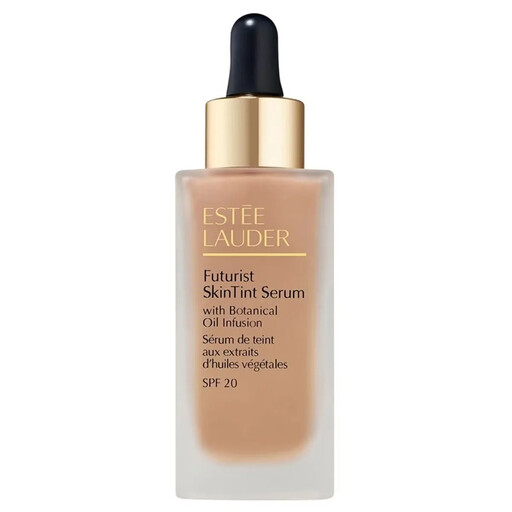
Why it's a match: Ideal for users seeking a luxurious, nourishing formula that acts like a second skin. The silky serum texture melts into the skin, delivering an even, radiant finish that lasts all day.
According to the manufacturer, the formula contains a botanical oil blend that hydrates without being greasy. The glow comes from the lightweight texture, not coarse particles, thus avoiding the "glow" trap and the "hybrid" myth.
Offers a combination of serum-like hydration, light and adjustable coverage, and broad-spectrum SPF 20 protection. The manufacturer claims it improves the skin's appearance with regular use.
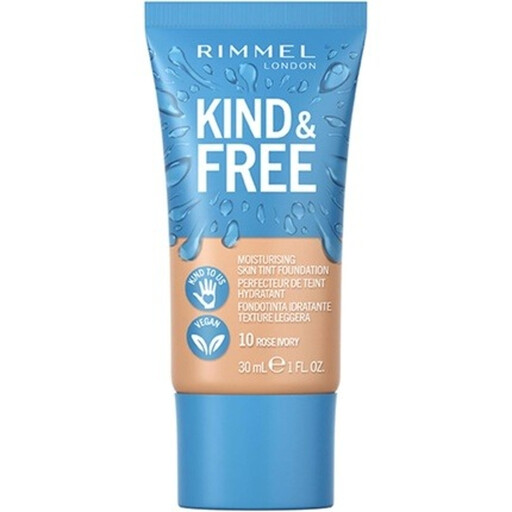
Why it's a match: A great choice for budget-conscious users or those who prioritise vegan formulas. It provides a straightforward, moisturising tint for daily use that leaves the skin looking fresh and healthy.
The formula is intentionally simple, focusing on hydration and light colour correction. It avoids overloaded formulations and delivers a sheer, dewy finish without unwanted glitter.
Vegan formula with 77% ingredients of natural origin. Contains an antioxidant complex with Vitamin E, Pro-Vitamin B5, and Aloe Vera. Dermatologically tested and non-comedogenic.
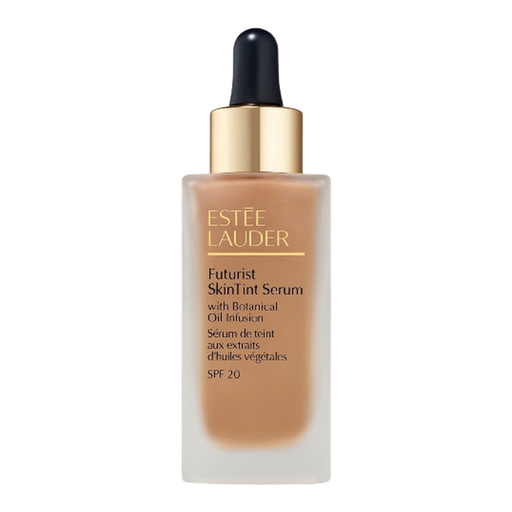
Why it's a match: Perfect for anyone who struggles to find the right undertone. This shade is designed for neutral undertones, and the adaptable formula ensures the colour blends seamlessly into your own skin tone rather than sitting on top of it.
An unsuitable shade can make even the best formula look bad. By providing specific undertones (here 'N' for neutral) and a light, blendable texture, it minimises the risk of an unnatural or mask-like result.
Offers the same nourishing and protective properties as other variants in the Futurist SkinTint range, but specifically for neutral skin tones. The buildable coverage allows for customised application.
We have compiled a complete, up-to-date list of products that fully meet these strict selection criteria and UK regulations.
For the most natural finish, apply a small amount with your fingertips. The warmth of your hands helps the product blend seamlessly into the skin. For a little more coverage, you can use a damp makeup sponge and gently pat the product into the skin. Always start in the centre of your face and work your way outwards.
No, in most cases, it does not. A tinted serum with SPF 20 or 30 offers good base protection for short periods outdoors, like the commute to work. For extended time in the sun, such as on holiday or during outdoor activities, an additional, high-SPF sunscreen is essential. To achieve the SPF level stated on the packaging, you would need to apply a very thick layer of the serum, which is often impractical.
First, determine your skin's undertone (cool, warm, or neutral). A look at the veins on your wrist can help: bluish veins suggest a cool (C) undertone, greenish veins a warm (W) one, and a mix suggests a neutral (N) undertone. Many brands use these letters in their shade names. With light, sheer formulas, shade selection is less critical than with full-coverage foundations. When in doubt, a shade that is minimally warmer is often easier to blend than one that is too light or ashy.