
Lieferung heute & morgen

Qualitätsgarantie

Willkommens-Angebote freischalten: KOSTENLOSE Lieferung | Bis zu 80 % RABATT | Kostenlose 30-Tage-JoyPlus-Testphase
App herunterladen
By Joybuy Product Recommendation Officer, 23 July 2026
The desire for firmer skin and more defined contours leads many to consider purchasing an at-home skin tightening device. However, the market for at-home beauty tech is vast, and the range of technologies—from EMS to microneedling—can be overwhelming. This article serves as your guide. It introduces different types of devices and provides objective information to help you make an informed decision tailored to your personal skincare goals.
Selecting the right device depends on your individual needs. To make the best choice, you should consider three key aspects: the technology, the application area, and the safety features.
Modern skin tightening devices use various technologies that target specific skin needs.
Clearly define which parts of your body you want to treat. An electric facial massager is ergonomically designed for the contours of the face, neck, and jawline. Devices for body firming, such as an anti-cellulite massager, are designed for larger areas like the arms, legs, stomach, and buttocks and are often more robustly built. Some multifunctional devices offer attachments for both areas.
For electrical devices that come into contact with the skin, look for recognised safety certifications like CE and ROHS. The CE mark confirms that the product meets the applicable requirements of the European Union. ROHS restricts the use of certain hazardous substances in electrical and electronic equipment. These marks are key indicators of a product's compliance and safety.
Based on these criteria, we've curated a selection of devices, each with a unique focus.

Why It Stands Out: This device combines three technologies—EMS microcurrent, vacuum negative pressure, and red light therapy—in one compact design. It is specifically designed for use on the body to improve the appearance of cellulite and smooth skin contours.
Pros:
Who It's For: For users looking for a versatile anti-cellulite massager for the body who want to specifically improve the appearance of cellulite on the thighs, buttocks, or arms.

Why It Stands Out: This electric facial massager stands out with its combination of heat and cold therapy, three light modes, and EMS microcurrent. The ergonomic 85° wave design adapts to the contours of the face and neck, supporting targeted anti-ageing care.
Pros:
Who It's For: For individuals looking for a specialised wrinkle removal device for the face and neck who want to integrate the benefits of heat, cold, and light therapy into their daily skincare routine.
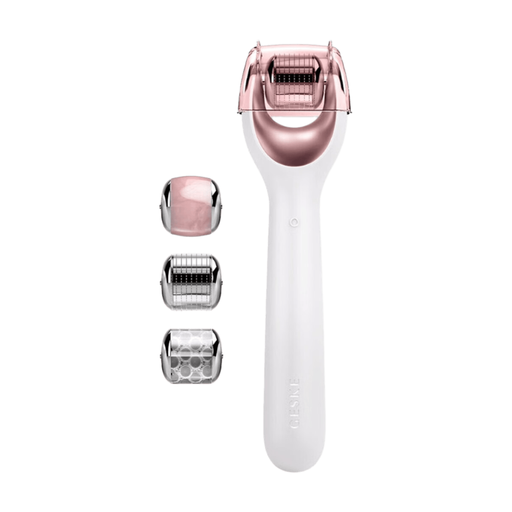
Why It Stands Out: This 9-in-1 device from GESKE takes at-home treatments to the next level by combining a microneedling roller with app control. Interchangeable attachments for microneedling, cooling, and rose quartz massage offer a customisable spa experience.
Pros:
Who It's For: For tech-savvy users who are looking for a multifunctional facial lifting device and value personalised, app-based guidance to perform various treatments like microneedling and cooling massage at home.
An effective skincare routine deserves a fitting environment. If you want to transform your bathroom into a personal wellness oasis, the right lighting can make a huge difference. Discover our selection of Round LED Bathroom Mirrors with Shaver Socket to perfect your care ritual.
The recommended frequency of use varies depending on the device and technology. It is important to follow the manufacturer's instructions carefully. As a general rule, use is recommended two to three times per week. Consistency is key to achieving and maintaining potential results.
Yes, most EMS devices require a conductive gel or serum. The gel ensures that the electrical impulses are correctly transmitted to the muscles while also allowing the device to glide smoothly over the skin without pulling or causing friction.
At-home devices are designed to complement and support an existing skincare routine. They can help maintain results between professional treatments at a salon. The results achieved are individual and depend on the device, the regularity of use, and skin type. They are not intended as a substitute for medical or dermatological treatments.