
Lieferung heute & morgen

Qualitätsgarantie

Willkommens-Angebote freischalten: KOSTENLOSE Lieferung | Bis zu 80 % RABATT | Kostenlose 30-Tage-JoyPlus-Testphase
App herunterladen
Sensitive, dry or reddened skin won’t necessarily respond well to an expensive product. When choosing SKIN1004 skincare, it’s worth looking at the full ingredient list, texture and intended purpose. Terms such as ‘soothing’, ‘brightening’ or ‘barrier protection’ often describe how a product is positioned, but they’re no substitute for observing how your own skin responds.
Centella Asiatica, niacinamide and tranexamic acid can all be interesting ingredients in facial skincare. However, the overall formulation is what matters. A niacinamide serum, for example, may also contain humectants, thickeners or fragrance. If you have sensitive skin, check the INCI list rather than buying based on a single ingredient name.
A cream may be designed for different skin types, but ingredients such as fragrance or essential oils, or a rich texture, may still make it unsuitable for some people. If your skin is prone to redness, a simple routine is usually easier to assess than trying several new products at once.
An oily or highly protective product won’t necessarily feel more hydrating. Hydrating serums, essences and toners often contain water-binding ingredients such as glycerin, panthenol or hyaluronic acid. A cream then adds lipids and forms a nourishing layer. Both steps may be useful for dry skin, while a lighter texture may be enough for combination skin.
Centella Asiatica extract is at the heart of the SKIN1004 Madagascar Centella range. Depending on the product, the ingredient list may also include niacinamide, tranexamic acid, madecassoside, ceramides or hyaluronic acid.
These are cosmetic product features, not medical claims. If you have visible or persistent skin concerns, consider seeking advice from a dermatologist.
A Centella ampoule is usually more fluid than a cream and is applied after cleansing. A soothing face cream is often the final step in your routine. Choose products with your preferred order of application in mind:
If you’re combining several active products, start slowly. It may be helpful to patch test on a small area of skin before applying the product to your whole face.
A 100 ml ampoule may last longer with daily use than a smaller serum. Even so, check the closure, storage instructions and the best-before or period-after-opening symbol on the packaging. Store products in a cool, dry place away from direct sunlight. The current ingredient list on the packaging is the definitive one, as formulations may change between batches.
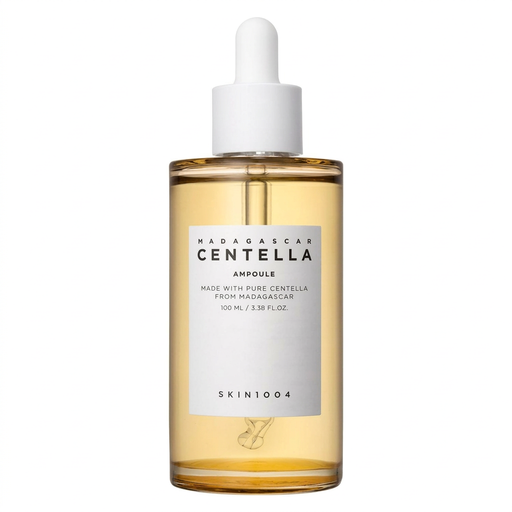
Why this product suits this profile: Its fluid serum texture is easy to fit into a simple routine and is suitable for daily use after cleansing.
Its straightforward focus helps beginners avoid combining several active serums at once.
100 ml size and a light, watery texture with Centella Asiatica extract, according to the product information.
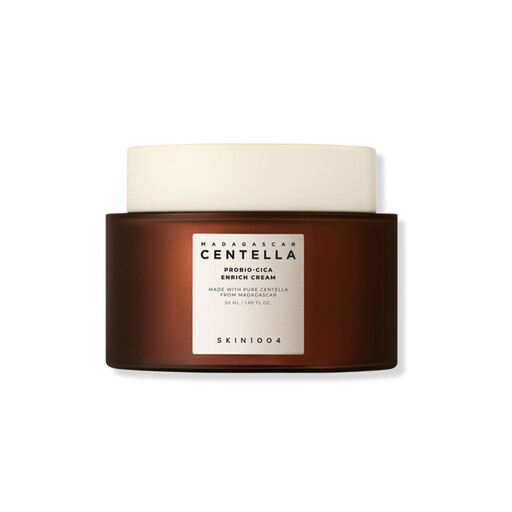
Why this product suits this profile: This rich cream is aimed at people who prefer a more nourishing evening routine for dry or sensitive skin.
The product description clearly sets out its texture and ingredients, rather than making sweeping claims about skin rejuvenation.
The stated INCI list includes Centella Asiatica ferment, niacinamide, squalane and Ceramide NP.
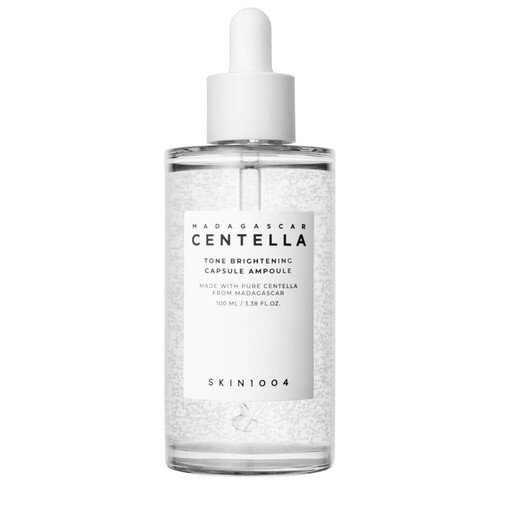
Why this product suits this profile: If you’re looking for hydration and a more even-looking complexion in one serum, this formula features several specified active ingredients.
The product information specifically lists niacinamide, tranexamic acid and Centella Asiatica extract, rather than relying on a vague promise of a glow.
Light, fast-absorbing ampoule texture; 100 ml size; contains micro-encapsulated ingredients, according to the product information.
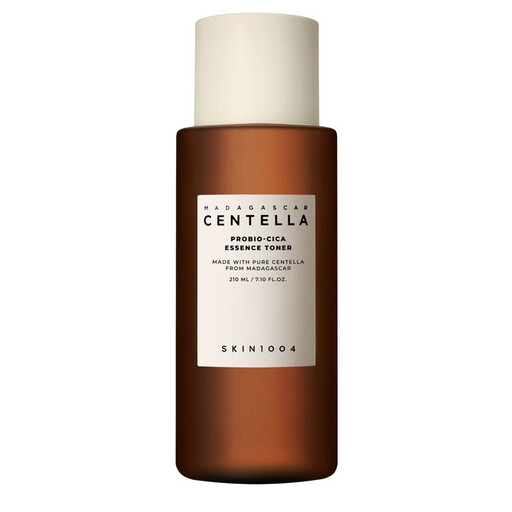
Why this product suits this profile: Its larger size makes it a good choice for daily toner use, and it can be combined with an ampoule or cream.
Using it as a toner helps avoid overdoing it with a rich serum as the mainstay of your whole routine.
210 ml size, plus panthenol, hyaluronic acid and fermented Centella, according to the product description.
We’ve put together a complete, regularly updated list of products that meet these strict selection criteria and the safety regulations in force in the EU.
Start with one product and observe your skin over several uses. Stop using it if you experience burning, itching, a rash or increasing redness. Avoid the eye area and broken skin. Suitable sun protection should be part of your morning routine, especially when using products designed to promote a more even-looking complexion.
For dry skin, combining an essence, hydrating serum and cream may work well. For oily or blemish-prone skin, a lighter gel or ampoule texture is often more practical. Facial skincare for redness shouldn’t replace diagnosis or treatment.
A short INCI list and a lightweight Centella ampoule can be a good place to start. Even so, check the full information on the packaging and test the product on a small area of skin first.
Yes. The ampoule is usually applied after cleansing and before your cream. For dry skin, applying cream afterwards can help seal in your skincare. Introduce new products gradually.
Follow the period-after-opening symbol and the manufacturer’s instructions on the packaging. The closure, storage and hygienic dispensing all affect product quality. If the smell, appearance or feel on your skin changes, stop using the product.