
Lieferung heute & morgen

Qualitätsgarantie

Willkommens-Angebote freischalten: KOSTENLOSE Lieferung | Bis zu 80 % RABATT | Kostenlose 30-Tage-JoyPlus-Testphase
App herunterladen
Sensitive, dry or blemish-prone skin that is prone to redness does not automatically respond equally well to every serum advertised as “soothing”. Korean skincare can make choosing the right product particularly difficult, with similar product names, changing formulations and widely varying textures. If you focus solely on the term “Centella”, you could end up buying a product that does not suit your skin’s condition or your existing skincare routine.
“Madagascar Centella” initially describes the origin or name of the botanical ingredient used. The full INCI list is also crucial: some formulations use Centella Asiatica as their key ingredient, while others combine it with niacinamide, hyaluronic acid, ceramides, oils or fermented ingredients.
A high concentration is therefore not automatically better suited to every skin type. With reactive skin, a straightforward formulation may be easier to assess. For dry skin, additional humectants and barrier-supporting ingredients may be beneficial.
A watery facial ampoule may feel pleasantly lightweight, but it does not always replace a cream. Moisturising serums often contain humectants such as glycerin, butylene glycol or sodium hyaluronate. A cream containing lipids, on the other hand, can help keep moisture in the skin for longer.
If you use only a very thin Centella serum despite having severely dry skin, you may therefore be disappointed with its moisturising effect. Combining a serum with a suitable moisturiser is often more logical than overloading your routine with several ampoules.
Even a serum designed for sensitive skin may contain individual ingredients that do not suit you. These can include fragrances, essential oils, certain plant extracts or niacinamide, for example. The product description should therefore always be checked against the current ingredients list on the packaging, as formulations can change.
If you have a known intolerance, a patch test on a small area of skin is recommended. If you experience burning, a rash or persistent irritation, stop using the product. Cosmetic skincare is not a substitute for dermatological advice.
For a minimalist routine, the SKIN1004 Madagascar Centella Ampoule 100 ml may be worth considering. The listed formulation includes Centella Asiatica Extract, Panthenol and Sodium Hyaluronate, among other ingredients. The texture is described as lightweight and fast-absorbing. This makes it more suitable for people looking for a straightforward, watery Cica serum without added fragrance.
If you want to care for dry skin while giving greater consideration to the skin barrier, look for ingredients such as ceramides, panthenol, hyaluronic acid, glycerin or skin-friendly lipids. These ingredients are not a guarantee of a specific effect, but they do provide an objective indication of the formulation approach.
Ampoules are often economical to use because just a few drops are needed per application. Even so, 30, 50 and 100 ml sizes differ considerably in price per millilitre. Larger bottles may be more cost-effective for daily use, while smaller sizes are more practical for trying a product or taking it on holiday.
A runny texture works well when layered under a cream or sunscreen. Richer formulations containing oil, ceramides or fermented ingredients may fit more comfortably into an evening routine for dry skin.
Most products are applied after cleansing and, where appropriate, after toner. Moisturiser is then applied. In the morning, sunscreen should also be used, particularly if your routine contains other active ingredients.
Look out for the following information:
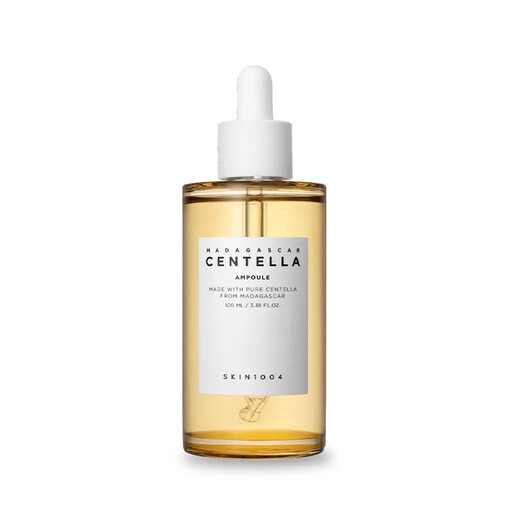
Why this product suits this profile: The straightforward formulation and 100 ml size make it suitable for starting a daily Centella skincare routine.
The product information states that it has a lightweight texture and a short ingredients list with no listed fragrance.
Centella Asiatica Extract, Panthenol and Sodium Hyaluronate; 100 ml content.
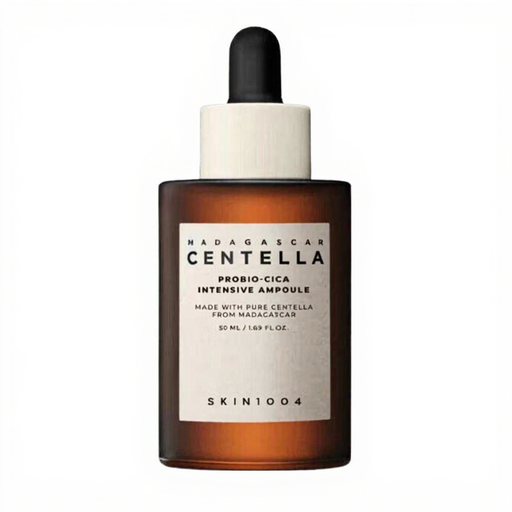
Why this product suits this profile: The formulation combines Centella with Ceramide NP, Panthenol, Sodium Hyaluronate and Lactobacillus Ferment.
The ingredients list makes it clear that the ampoule focuses not only on Centella, but also on barrier-supporting ingredients.
Ceramide NP, macadamia oil, Panthenol and fermented Lactobacillus ingredient.
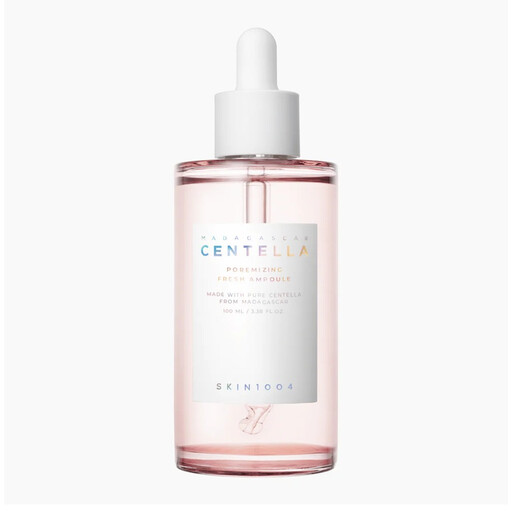
Why this product suits this profile: Its lightweight focus on oily or combination skin suits people looking for hydration without a rich feel on the skin.
The product information describes a non-comedogenic, alcohol-free and fragrance-free formulation.
100 ml content; Centella extract, Panthenol and several forms of hyaluronic acid.
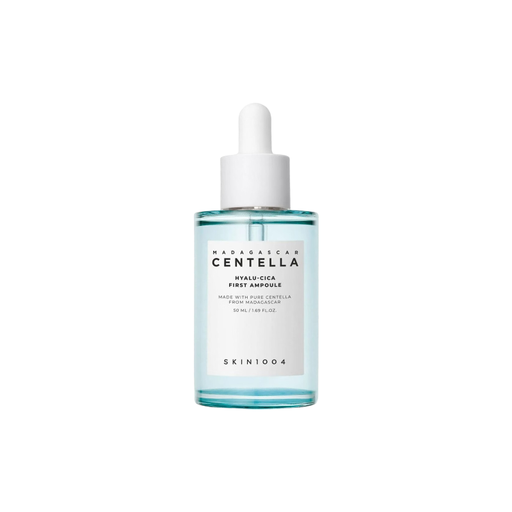
Why this product suits this profile: The combination of Centella Asiatica, Sodium Hyaluronate, Glycerin and Panthenol is designed for a hydration-focused routine.
The name Hyalu-Cica is supported by clearly listed humectants and a lightweight, watery texture.
Hyaluronic acid, Centella ingredients, niacinamide and Panthenol in a 50 ml ampoule.
We have put together a complete, regularly updated list of products that fully meet these strict selection criteria and the safety regulations applicable in the EU.
Start by introducing only one new product at a time. This makes it easier to see how your skin reacts to the Centella or Cica serum.
After cleansing, distribute a few drops over your face and neck. Depending on the product, you can apply toner beforehand. Follow with a cream; in the morning, add sunscreen to complete your routine.
Centella serums are often chosen for a soothing skincare routine. However, individual tolerance depends on the complete formulation. You should therefore check the INCI list, avoid any ingredients linked to a known allergy and carry out a patch test before your first full application.
The printed best-before date and the PAO symbol on the packaging are the key points of reference. Close the bottle after every use and store it somewhere cool, protected from direct light. If the smell, colour or consistency changes, stop using the product.