
Lieferung heute & morgen

Qualitätsgarantie

Willkommens-Angebote freischalten: KOSTENLOSE Lieferung | Bis zu 80 % RABATT | Kostenlose 30-Tage-JoyPlus-Testphase
App herunterladen
A skin barrier cream is designed to moisturise dry, tight or sensitive skin in everyday life while supporting a comfortable skin feel. However, choosing the right product is not always easy: many creams promote “Barrier Repair”, ceramides or intensive nourishment, even though their texture, ingredients and application may not suit every skin type.
This buying guide from the Joybuy Product Recommendation Officer explains what to look for in 2026, which marketing claims deserve closer scrutiny and which products may suit different skincare routines.
Names such as ceramide cream, “Molecular Recovery” or “Barrier Repair Cream” may sound compelling. However, the complete INCI list on the packaging is what really matters. Ceramides, panthenol, glycerin, hyaluronic acid, squalane and plant oils can fulfil different roles within a formulation. Simply mentioning an ingredient says nothing about individual tolerance or the resulting skin feel.
It is therefore worth checking:
Online product information may change. The packaging of the product itself is always authoritative.
A moisturiser for sensitive skin may be a suitable option, but every person’s skin reacts differently. Plant extracts, honey and propolis ingredients or fragrance components may also be undesirable for some users.
Before applying the product over a larger area for the first time, perform a patch test on a small area of skin. If redness, itching, swelling or persistent irritation occurs, discontinue use. Cosmetic products are not intended for open, severely damaged or diseased skin.
A deeply nourishing facial cream for dry skin may seem useful in winter or when the skin feels particularly tight. On combination or oily skin, however, a heavy texture may feel sticky or sit poorly underneath sunscreen and makeup.
For everyday use in Germany, climate, season and time of day are therefore important selection criteria. A lighter cream may feel more comfortable in the morning, while a balm or richer cream can be applied in the evening.
Look for a combination of humectants and nourishing lipids. Glycerin, panthenol and hyaluronic acid are commonly used to hydrate the skin. Ceramides, cholesterol, fatty acids and squalane are typical components of formulations designed to support the skin barrier.
A facial cream with panthenol may be appealing if you are looking for a straightforward, hydrating daily moisturiser. Ceramides are particularly relevant when you want a ceramide cream with a more protective, creamy texture.
Do not rely solely on product names. Pay attention to the described consistency:
“Non-greasy” and “fast-absorbing” are descriptive marketing claims, not standardised measurements. The actual skin feel may vary from person to person.
With Korean skincare, Japanese facial care and international brands, product names, packaging and formulations may vary from one batch to another. Prefer products with clearly identifiable manufacturer and EU responsible-person details.
Check the following before purchasing:
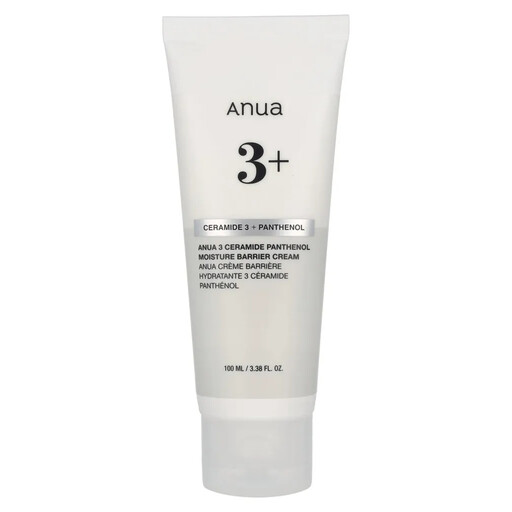
Why it may be a good fit: The 100 ml size is well suited to a regular morning and evening routine. The formula contains panthenol, ceramides, hyaluronic acid and Centella asiatica.
The INCI list clearly identifies the key hydrating and barrier-supporting ingredients. Nevertheless, check the current packaging before purchasing.
100 ml contents; three types of ceramides according to the product description; panthenol and hyaluronic acid listed in the INCI; lightweight, non-sticky texture according to the seller.
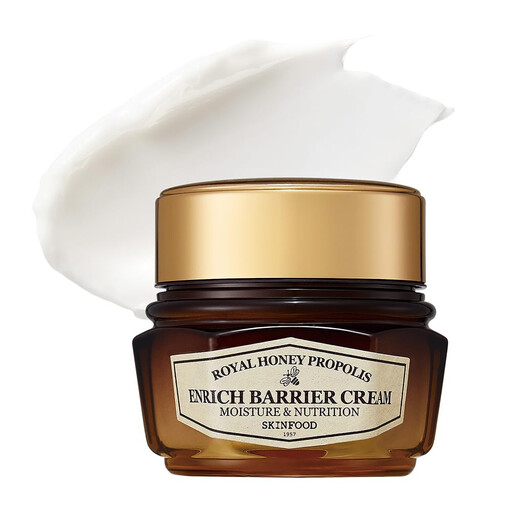
Why it may be a good fit: This rich cream is aimed at those who prefer nourishing evening care for dry skin.
The product description explicitly states the ingredients and rich texture. Those with a bee-product allergy should exercise particular caution.
According to the product information, contains 50% propolis extract, 5% royal jelly extract and 5% honey extract; 63 ml contents; described for both day and night care.
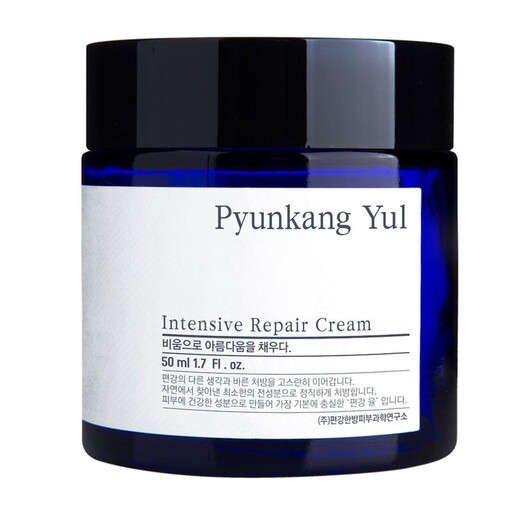
Why it may be a good fit: Designed for dry skin, this cream can be used as a richer final step in a daily skincare routine.
The description specifies the texture, target users and key lipids. This makes it easier to assess whether the cream suits your personal routine.
Ceramides, shea butter, macadamia oil and glycerin according to the INCI; 50 ml contents; intended for morning and evening use.
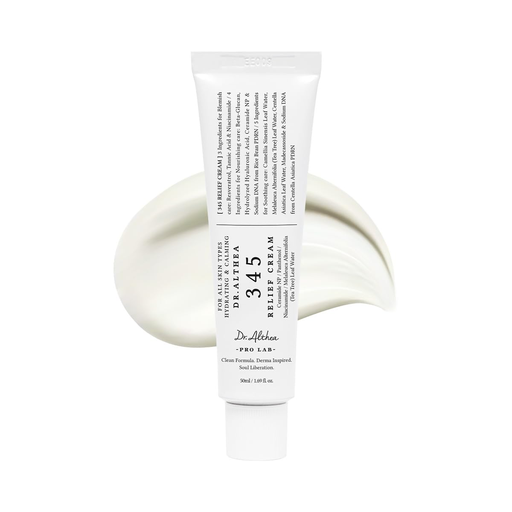
Why it may be a good fit: This gel cream is appealing to users who want hydration without a heavy finish, for example those with combination skin or during warmer weather.
The lighter texture is clearly distinguished from richer creams. This reduces the risk of choosing a product based solely on the name of an active ingredient.
Panthenol, niacinamide, Centella components, hyaluronic acid and ceramides according to the INCI; the product description specifies a lightweight gel cream texture.
Browse the full category for a current selection of skin barrier creams in different textures, formulations and sizes for daily facial care.
Apply the cream after cleansing and, if applicable, after toner or serum. Start with a small amount. If your skin is dry, you can apply a slightly more generous layer in the evening. In the morning, follow with a suitable sunscreen.
Avoid introducing several new products at the same time. This makes it easier to identify which product your skin tolerates. For very sensitive skin, a simple routine consisting of cleanser, moisturiser and sunscreen may be more manageable than an extensive Korean skincare routine.
Many products are intended for daily use in the morning and evening. The manufacturer’s instructions and how your skin feels are the most important factors. With a rich cream, once-daily application may be sufficient, while a lightweight moisturiser may be used more frequently.
Refer to the period-after-opening symbol and the best-before or expiry date on the packaging. Store the cream in a cool, dry place away from direct sunlight. Changes in smell, colour or consistency indicate that the product should no longer be used.
For very dry skin, richer textures containing glycerin, ceramides, shea butter, squalane or plant oils may be worth considering. If your skin is sensitive, also check for fragrances, essential oils and known allergens. Any individual skin condition should be assessed by a medical professional, as a cosmetic cream is not a substitute for medical treatment.