
Lieferung heute & morgen

Qualitätsgarantie

Willkommens-Angebote freischalten: KOSTENLOSE Lieferung | Bis zu 80 % RABATT | Kostenlose 30-Tage-JoyPlus-Testphase
App herunterladen
Dark spots, also known as hyperpigmentation, can have many causes—from sun exposure and hormonal changes to acne scars. The desire to restore an even, radiant complexion leads many on a long and often frustrating search for the right skincare. The market is flooded with products promising quick results, but not all deliver on their claims. This guide will help you understand the key factors and make an informed choice.
Before investing in new products, it's helpful to know the most common mistakes that lead to disappointment and unnecessary expense.
To effectively treat dark spots on the face and correct an uneven skin tone, you should focus on the following objective criteria.
Different active ingredients work at various stages of pigment formation. A well-thought-out combination is often more effective than using a single ingredient alone.
Effectiveness is highly dependent on the product type. Serums typically have a lighter texture and a higher concentration of active ingredients than a brightening cream. They penetrate deeper into the skin and are ideal for addressing targeted issues like treating hyperpigmentation. A cream is then used to nourish the skin and lock in moisture. Sheet masks can provide an extra boost of active ingredients and hydration as a weekly intensive treatment.
Any measure to lighten dark spots is incomplete without daily, broad-spectrum sun protection (UVA and UVB) with a high SPF (30 or higher). UV radiation is the primary trigger for melanin production. Without a shield against the sun, existing spots will darken and new ones can form, regardless of which serums or creams you use.
Based on the criteria mentioned, we have compiled a selection of products suitable for different user profiles and needs.
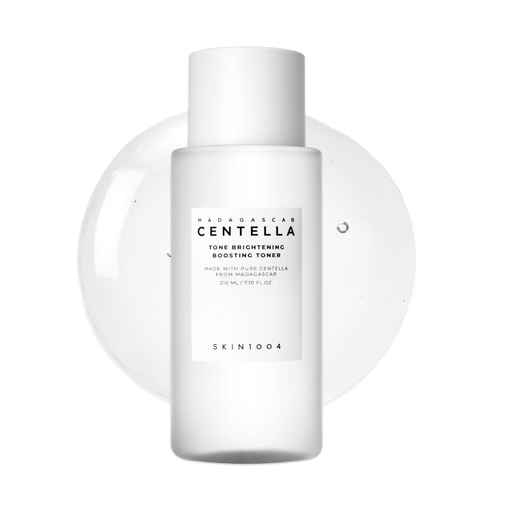
Why This Fits Their Persona: Ideal for those seeking a gentle yet effective solution. The formula combines brightening niacinamide and a vitamin C derivative with soothing Centella Asiatica extract from Madagascar to strengthen the skin barrier and minimise irritation.
This product is not an isolated miracle worker but a foundational step that preps the skin for subsequent care while providing an initial brightening boost. It avoids aggressive active ingredients.
Combines gentle brightening with intensive soothing and hydration; strengthens the skin barrier, which is essential for sensitive skin.
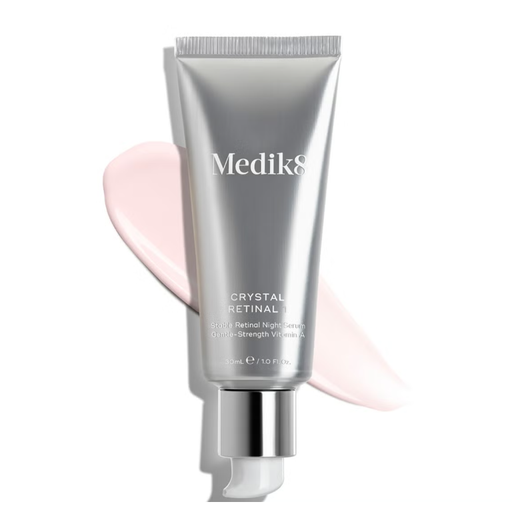
Why This Fits Their Persona: For users looking to upgrade their routine with a high-potency ingredient. This serum uses Retinal, an advanced form of Vitamin A, to accelerate cell turnover, thereby addressing hyperpigmentation and fine lines.
The product instructions recommend a gradual introduction. This underscores that visible results require time and correct application, counteracting unrealistic expectations.
Contains stabilised, encapsulated retinal for effective yet controlled release; works against both dark spots and signs of ageing.
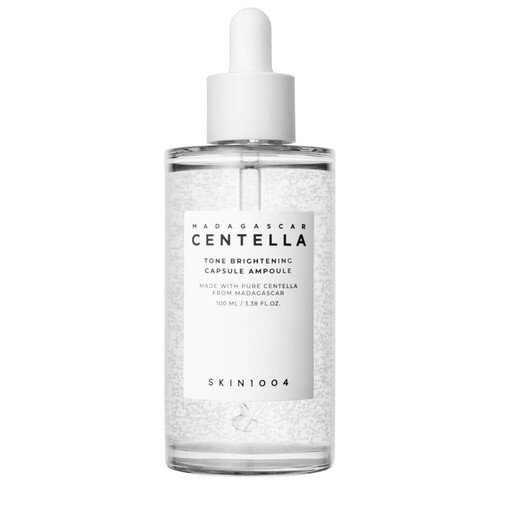
Why This Fits Their Persona: Perfect for skincare connoisseurs who want to supplement their routine with a potent active ingredient ampoule. It combines Niacinamide, Tranexamic Acid, and a Vitamin C derivative to combat dark spots via multiple pathways.
Instead of vague promises, this product delivers a clear, concentrated formula. It is designed as a supplement to an existing routine, thus avoiding the fallacy that a single product can do it all.
A high-performance combination of three proven brightening ingredients in a lightweight, fast-absorbing ampoule; ideal for layering within an existing skincare routine.
We have compiled a complete, up-to-date list of products that fully meet these strict selection criteria and current safety regulations.
1. How long does it take to see results when treating dark spots? Patience is a crucial factor here. Since the skin renews itself in a cycle of about 28 days, the first visible improvements can generally be expected after 8 to 12 weeks of consistent use. For deeper or more stubborn hyperpigmentation, it may take longer.
2. Can I use Vitamin C and Niacinamide together in one routine? Yes, using them together is generally unproblematic and can even be beneficial, as they contribute to skin brightening in different ways. Modern formulations are stable enough that conflicts are rare. A common method is to apply Vitamin C in the morning (for antioxidant protection during the day) and Niacinamide in the evening.
3. Is a brightening cream enough to treat dark spots on the face? A brightening cream can be a useful part of your routine, especially for providing moisture and protecting the skin barrier. However, for targeted and effective treatment, a more comprehensive approach is recommended. This should include a serum rich in active ingredients (e.g., with Vitamin C, Retinal, or Niacinamide), a gentle cleanser, and, most importantly, daily, high-SPF sun protection.