
Lieferung heute & morgen

Qualitätsgarantie

Willkommens-Angebote freischalten: KOSTENLOSE Lieferung | Bis zu 80 % RABATT | Kostenlose 30-Tage-JoyPlus-Testphase
App herunterladen
As your Joybuy Product Recommendation Officer, I see every day how challenging the search for the right skincare for sensitive skin can be. Redness, tightness, or unexpected reactions after using a new product are frustrating. Often, the problem isn't your skin, but rather misleading product claims or unsuitable formulations. Before you invest, you should know the most common pitfalls.
To avoid bad buys, focus on objective criteria. These three points will help you separate the wheat from the chaff and find products that will actually soothe and care for your skin.
The International Nomenclature of Cosmetic Ingredients (INCI) on the back of every product is your most reliable source of information. Pay attention to the following points:
Sensitive skin often has a weakened protective barrier. This allows moisture to escape and irritants to penetrate more easily. A good moisturiser for dry skin should therefore contain ingredients that specifically strengthen this barrier. Look for:
Certifications can provide an additional layer of security, especially if you value specific standards.
Based on these objective criteria, we have put together a selection of products suitable for various user profiles.
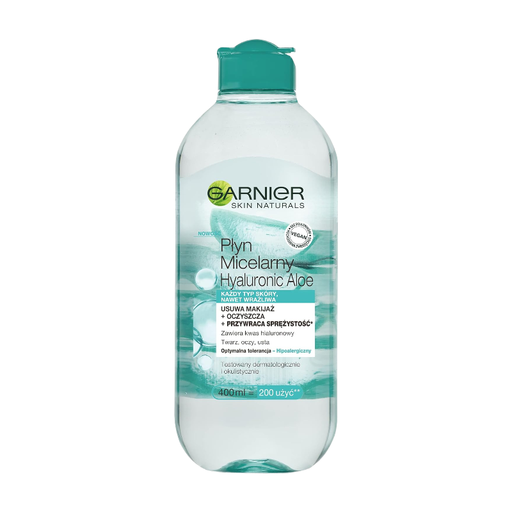
Why This Fits Their Persona: Ideal for those looking for a quick, effective, and gentle cleansing solution for daily use. The formula requires no rinsing, making it perfect for a busy lifestyle or for travel.
This micellar water for sensitive skin uses a mild cleansing technology that attracts and removes dirt and makeup without harsh rubbing. It bypasses the trap of overloaded formulations with a focused, hypoallergenic composition.
Cleanses, removes makeup, and moisturises in one step thanks to hyaluronic acid. The formula is suitable for all skin types, including sensitive skin.
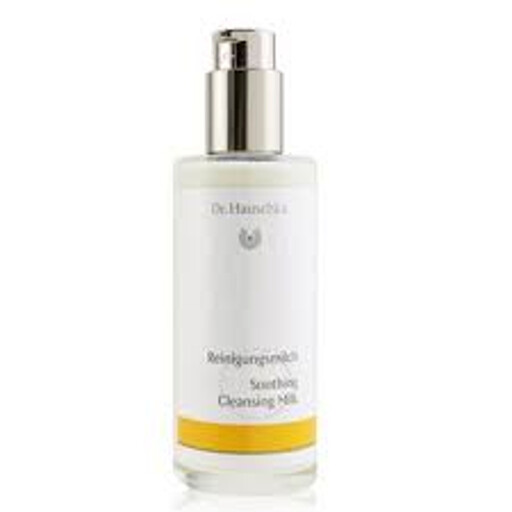
Why This Fits Their Persona: Perfect for consumers who take a holistic approach and value certified natural cosmetics with high-quality botanical ingredients. The brand has a long tradition of creating cosmetics in harmony with nature.
The formula avoids the 'natural' trap by using a targeted selection of extracts known for being gentle, such as anthyllis, jojoba, and almond oil. It is free from synthetic fragrances, dyes, and preservatives.
NATRUE-certified and specially developed to soothe and balance sensitive skin. The creamy texture preserves the skin's natural hydrolipidic film.
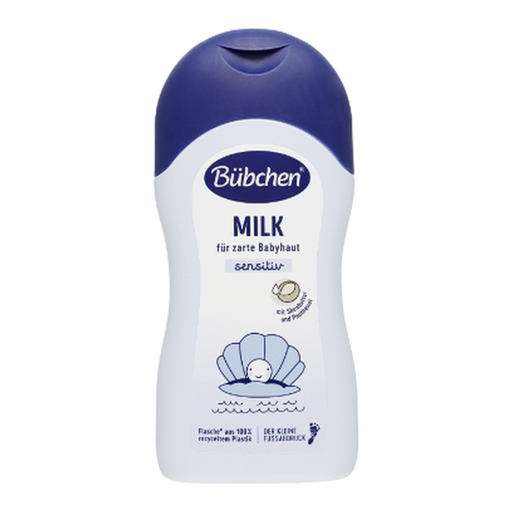
Why This Fits Their Persona: Designed for parents seeking safe, reliable, and mild care for their baby's extremely sensitive skin. The recommendation from midwives and doctors provides additional trust.
This fragrance-free body lotion (in the sense of no added synthetic fragrances) without dyes or preservatives is a prime example of a minimalist formula. It focuses on the essentials: moisture and protection.
Skin compatibility is dermatologically confirmed. The formula with shea butter and panthenol provides long-lasting moisture and is ideal for daily baby care.
We have compiled a complete, up-to-date list of products that fully meet these strict selection criteria and German safety regulations.
For most people with sensitive skin, a thorough but gentle cleanse once a day, preferably in the evening, is sufficient. In the morning, rinsing your face with lukewarm water is often enough to avoid disturbing the skin's natural protective film. Over-cleansing can weaken the skin barrier and lead to more dryness and irritation.
An "acclimatisation period" is possible, but it should not be confused with persistent irritation. Always introduce new products into your routine one at a time and slowly. A patch test, where you test the product for 24-48 hours on a small, inconspicuous area (e.g., behind the ear or on the crook of your arm), is highly recommended. Mild, temporary reactions can occur, but if you experience persistent burning, itching, or redness, you should stop using the product immediately.
In most cases, yes. Synthetic fragrances are one of the most common causes of contact allergies and skin irritation. Natural essential oils can also be irritating. If your skin is very reactive, choosing fragrance-free products is a safe strategy to minimise the risk of intolerance. Look for labels like "fragrance-free" or "unscented".