
Lieferung heute & morgen

Qualitätsgarantie

Willkommens-Angebote freischalten: KOSTENLOSE Lieferung | Bis zu 80 % RABATT | Kostenlose 30-Tage-JoyPlus-Testphase
App herunterladen
Sensitive skin often reacts unpredictably to external factors and skincare products. Redness, tightness, or itching are common companions. The search for the right skincare can feel like navigating a minefield, especially as the market is flooded with promises. Many products don't deliver on their claims and can even worsen skin problems. This guide will help you recognise the typical pitfalls and select products based on objective criteria.
Before we turn to solutions, it's important to understand the most common marketing traps that often lead to poor purchases.
To make an informed decision, you should focus on verifiable facts. The following three parameters are crucial for selecting suitable skincare for sensitive skin.
The International Nomenclature of Cosmetic Ingredients (INCI) lists all of a product's components in descending order of their concentration. Instead of being guided by marketing terms, you should learn to read this list.
Sensitive skin often has a weakened protective barrier. This causes it to lose moisture more quickly and makes it more susceptible to irritants. Good skincare should strengthen this barrier, not attack it. Look for formulations that contain skin-identical lipids like ceramides, cholesterol, and fatty acids, or ingredients that support the skin's regeneration. An intact barrier is the foundation for an anti-redness cream and for making irritation treatments effective.
Special requirements apply depending on the intended use.
Instead of creating a general ranking, we have selected products based on specific requirement profiles.
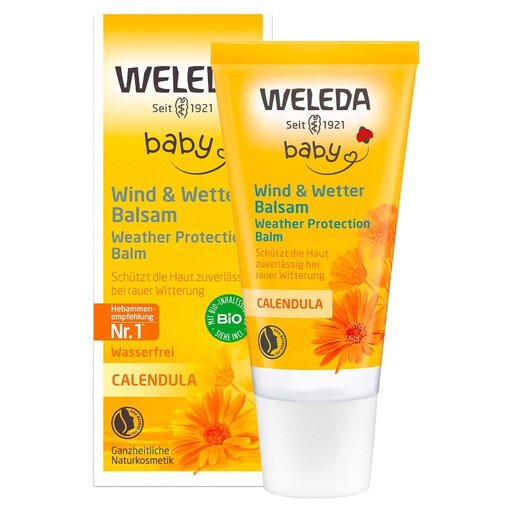
Why it's a great fit: Ideal for parents seeking reliable protection for delicate baby skin in winter, but also for adults whose facial skin quickly becomes tight and red in the cold and wind.
It bypasses the trap of many creams that contain water, which can freeze on the skin in sub-zero temperatures. The water-free formula, based on beeswax and lanolin, forms a breathable protective film.
Provides reliable cold protection without blocking the skin's ability to breathe. The organic calendula extract also has a skin-soothing effect.
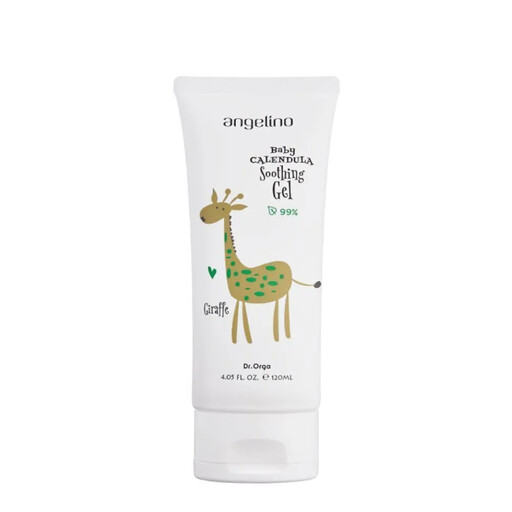
Why it's a great fit: For those whose skin reacts quickly with redness and a feeling of heat, whether from sun exposure, shaving, or stress. The light gel texture cools and absorbs quickly.
Avoids the "single hero ingredient" trap. It combines a high concentration of Aloe Vera Leaf Extract with Calendula and Centella Asiatica Extract to provide comprehensive soothing skincare.
Lightweight, non-sticky gel formula that instantly cools and hydrates. The ingredient list is focused on soothing and hydration.
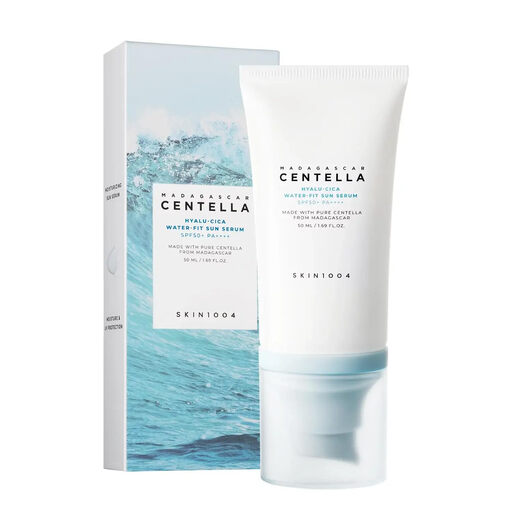
Why it's a great fit: For anyone who needs high sun protection for daily use but dislikes the heavy, sticky texture of conventional sunscreens. Especially suitable for skin prone to blemishes or redness.
Solves the problem of an unpleasant feel on the skin. The serum-like texture absorbs like a light moisturiser, leaves no white cast, and isn't sticky—a common barrier to daily sunscreen use.
Combines high UV protection (SPF50+ PA++++) with skin-caring ingredients like Hyaluronic Acid and Centella Asiatica. It moisturises and soothes at the same time.
We have compiled a complete, up-to-date list of products that meet these strict selection criteria.
Check the INCI list for terms like "Parfum" or "Fragrance". Also, look out for declarable fragrance allergens from essential oils, which must be listed individually (e.g., Limonene, Linalool, Geraniol, Citral). A product labelled as "fragrance-free" or "unscented" should not contain any of these ingredients.
Not necessarily. This label means the product was tested on human volunteers under the supervision of a dermatologist. However, it makes no claim about the results of the test or whether the test subjects had sensitive skin. It is an indicator of the manufacturer's efforts but not a guarantee of individual compatibility. Checking the ingredients remains the crucial step.
Look for formulations that also contain soothing active ingredients. Ingredients like Centella Asiatica (Cica), Niacinamide, or Panthenol can help to stabilise the skin. Mineral filters like Zinc Oxide are often a good choice, as zinc oxide is also credited with anti-inflammatory properties. Modern chemical filters in light, serum-like textures can also be very well-tolerated and offer the advantage of not leaving a white cast.