
Lieferung heute & morgen

Qualitätsgarantie

Willkommens-Angebote freischalten: KOSTENLOSE Lieferung | Bis zu 80 % RABATT | Kostenlose 30-Tage-JoyPlus-Testphase
App herunterladen
Sensitive skin doesn’t always react to just one ingredient. Often, discomfort is caused by an overloaded routine, overly aggressive combinations of active ingredients, or an unsuitable sunscreen. If you’re looking for skincare for sensitive skin, you should pay less attention to flashy marketing claims and focus more on formulation, application, and the product range.
Labels like “soothing” or “for sensitive skin” are not reliable selection criteria on their own. What really matters is the INCI list on the packaging. Fragrances, essential oils, alcohol, or several active ingredients can be problematic for some people. A fragrance-free formulation can simplify your choice, but it doesn’t rule out individual intolerances.
Korean skincare is famous for its multi-step routines. However, several serums, exfoliators, and masks don’t automatically suit your skin better. If you introduce a Niacinamide Serum, a Vitamin C product, and an Azelaic Acid Serum all at the same time, it’s hard to pinpoint which one is causing a reaction.
It’s much wiser to test one new product at a time and observe your skin’s reaction over several applications.
Skincare for pigmentation or uneven skin tone should always be combined with consistent UV protection. A Face Sunscreen SPF 50 is a practical option for daily use. If you apply too little product or don’t reapply after being outdoors, the protection stated on the label will be lower.
A clear routine can be built around your skin’s specific needs:
Bear in mind that a label saying “for redness” shouldn’t be equated with medical treatment. If you experience persistent redness, burning, swelling, or itching, stop using the product and seek medical advice if necessary.
Light lotions and gel creams often suit combination skin or people who like to layer several products. Richer creams can feel more comfortable for dry skin, but may feel heavy on oily skin.
A simple routine order is:
Always try new products on a small patch of skin first. With Azelaic Acid, Vitamin C derivatives, or retinoid-containing formulations, it’s best to start slowly, following the manufacturer’s instructions.
Statements like “dermatologically tested” describe a testing or evaluation process, but they don’t guarantee individual tolerance. Even “suitable for all skin types” doesn’t mean everyone will tolerate the product without issues. Always check the current packaging, as formulations and ingredient lists can change.
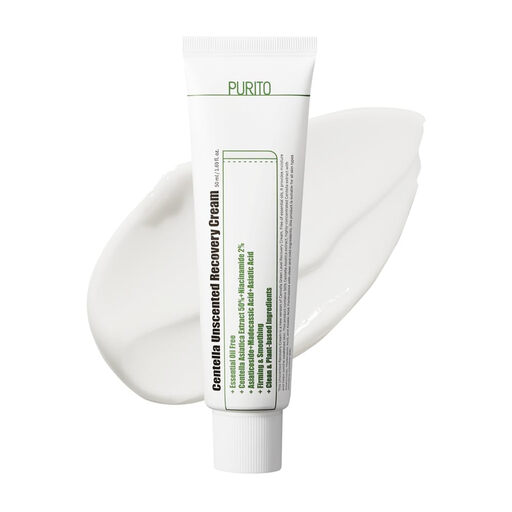
Why this product fits the profile: This fragrance-free cream offers a straightforward way to incorporate a daily moisturiser into a simple morning and evening routine.
The product description highlights an unscented formulation, along with Ceramide NP and Squalane. This makes it easier to choose based on specifics rather than vague terms like “gentle”.
Centella Asiatica, Niacinamide, Ceramide NP and Squalane; 50 ml content; designed for morning and evening use.
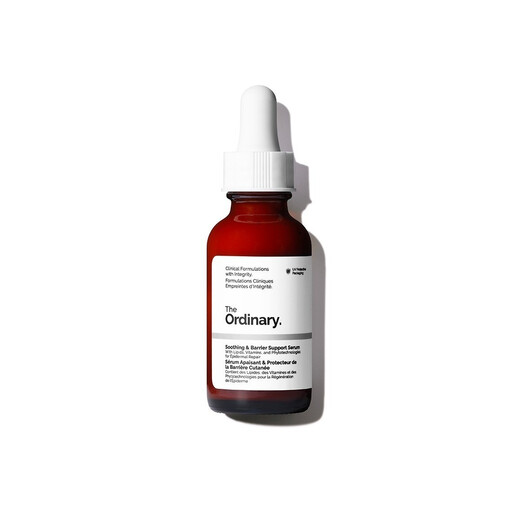
Why this product fits the profile: If you want to focus specifically on strengthening the skin barrier, this serum contains several hydrating, lipid-like, and soothing ingredients.
The INCI list is publicly available and includes Niacinamide, Bisabolol, Sphingolipids, and Phospholipids. This means your choice is based on verifiable ingredients rather than generic active-ingredient marketing.
30 ml serum; use morning and evening as per product instructions; a patch test before first use is recommended.
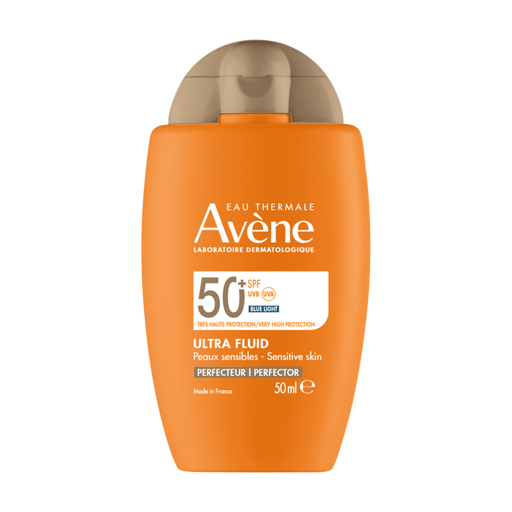
Why this product fits the profile: Ideal for those who use daily facial sunscreen and also want a light tint for everyday wear.
The product details mention UVB and UVA protection, water resistance, and a universal tint. It also notes that the colour effect and coverage may vary depending on your skin tone.
SPF 50+; fragrance-free according to the product description; fluid texture; shake before use and apply a generous amount to face and neck.
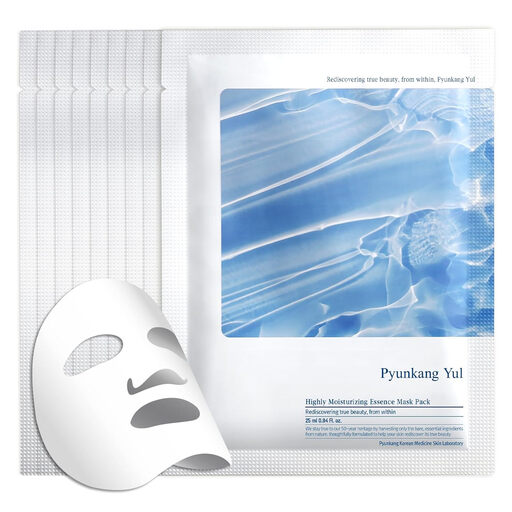
Why this product fits the profile: This pack of 10 is ideal for those who want to use hydrating sheet masks regularly, as a supplement to their normal skincare routine.
The mask is fragrance-free according to the product description and contains Ceramides, Panthenol, and several forms of Hyaluronic Acid. The recommended application time of 15 to 20 minutes makes it easy to use in a controlled way.
10 individual masks; Ceramide NP, Panthenol, and Hyaluronic Acid listed in the INCI; no rinsing required after use.
We’ve put together a full, regularly updated list of products that meet these strict selection criteria and comply with EU safety regulations.
Start with just a few products and observe how your skin feels. A good basic routine consists of a gentle cleanser, moisturiser, and sunscreen. Only add a facial serum for redness or a serum for pigmentation once your base routine is well tolerated.
If you have dry skin, a richer cream may be beneficial. Combination skin often does well with a lighter lotion on oily areas and more targeted care on dry patches. Don’t introduce new products right before important events or long trips.
A simple, minimally irritating routine is a sensible starting point. Check the current INCI list, avoid fragrances if needed, and introduce new products one at a time. Centella Asiatica, Panthenol, Allantoin, or Ceramides are common ingredients in soothing facial skincare, but they don’t guarantee individual tolerance.
It depends on the active ingredient and the manufacturer’s instructions. Hydrating serums are often used morning and evening. With Azelaic Acid or other active ingredients, it’s possible to start slowly with one to two applications per week. If you experience burning, itching, or persistent redness, take a break from using it.
Check the period-after-opening symbol, the expiry date, and the information on the packaging. Store products in a cool, dry place away from direct sunlight. If the smell, colour, or consistency changes, stop using the product.